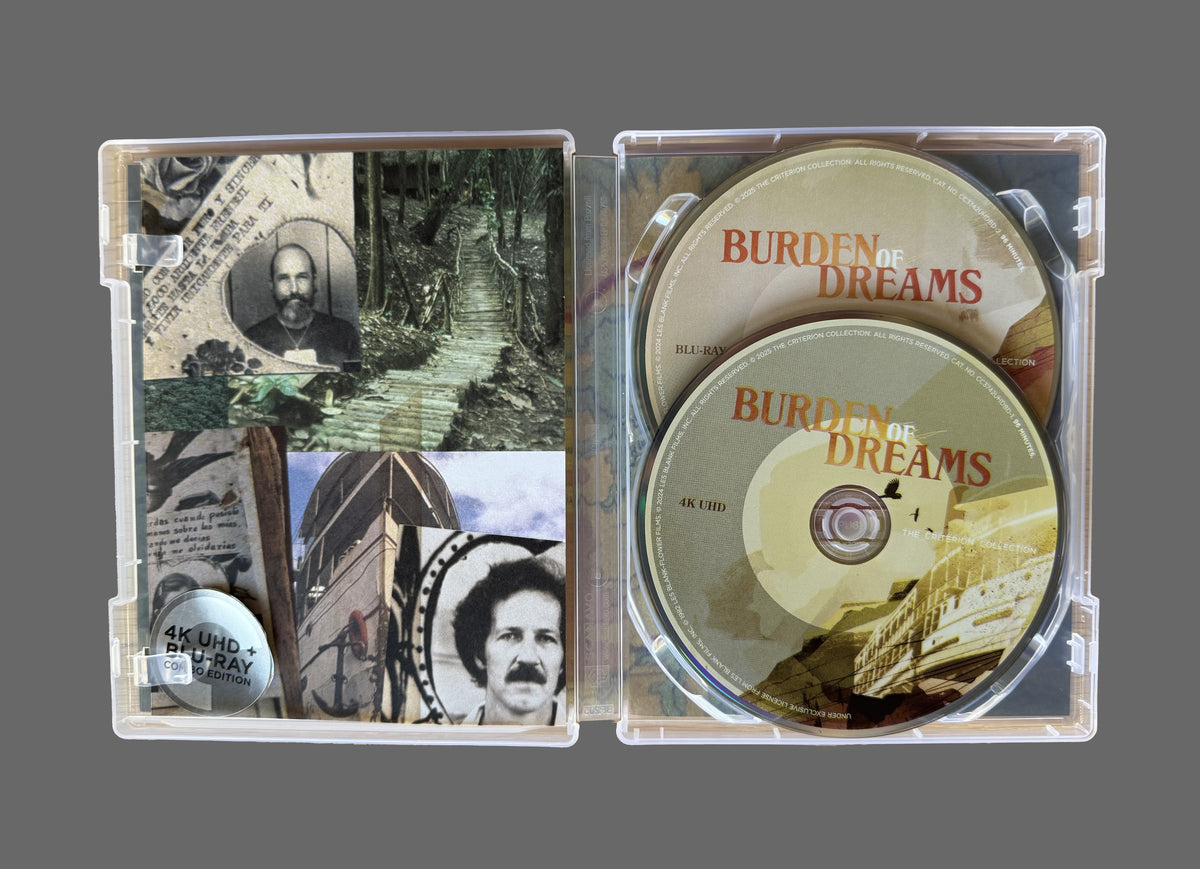
Burden of Dreams (1982) 2-Disc 4K+Blu-ray (Signed by Maureen Gosling)
Regular price
$40.00 USD
Regular priceSale price
$40.00 USD
Unit price/ per
Sale
Sold out
2-Disc (4K+Blu-ray) 84 page perfect bound book Slipcase signed by Maureen Gosling UPC: 715515324113 Released by Criterion
Description via Criterion:
For nearly five years, acclaimed German director Werner Herzog desperately tried to complete one of the most ambitious and difficult projects of his career:Fitzcarraldo,the story of one man’s attempt to build an opera house deep in the Amazonjungle. Documentary filmmaker Les Blank captured the unfolding of this production, made more perilous by Herzog’s determination to shoot the most daunting scenes without models or special effects, including a sequence requiring hundreds of Indigenous locals to pull a full-size 320-ton steamship over a small mountain. The result is an extraordinary document of the filmmaking process and a unique look into the single-minded mission of one of cinema’s most fearless directors.
Special Edition Features:
New 4K digital restoration, supervised by filmmaker Harrod Blank, director Les Blank’s son, with 5.1 surround DTS-HD Master Audio soundtrack
Alternate uncompressed monaural soundtrack
One 4K UHD disc of the film and one Blu-ray with the film and special features
Audio commentary featuring Les Blank, editor and sound recordist Maureen Gosling, andFitzcarraldodirector Werner Herzog
Interview with Herzog
Werner Herzog Eats His Shoe(1980), a short film by Blank
Deleted scenes
Behind-the-scenes photos taken by Gosling
Trailer
New English subtitle translation and English subtitles for the deaf and hard of hearing
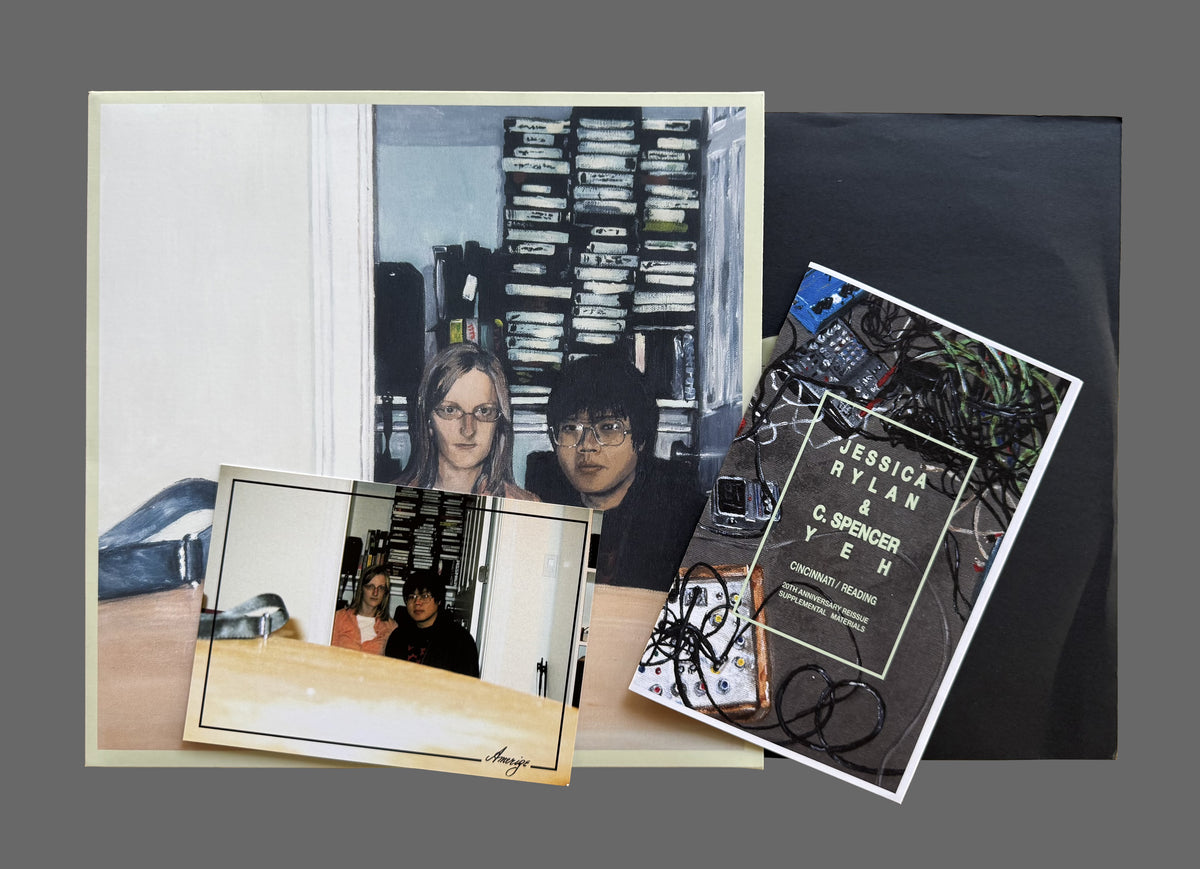
2xLP 16-page booklet 5x7 postcard Artowrk by Catie Tessier Remastered by John Wiese Edition of 330
20th anniversary reissue of long out-of-print double cassette released in 2006 on Yeh's DroneDisco. Remastered and pressed on black vinyl. Includes a folded and stapled 16-pages transcribing a conversation between Jessica, Spencer, & Keith Fullerton Whitman properly revisiting the release and surrounding history.
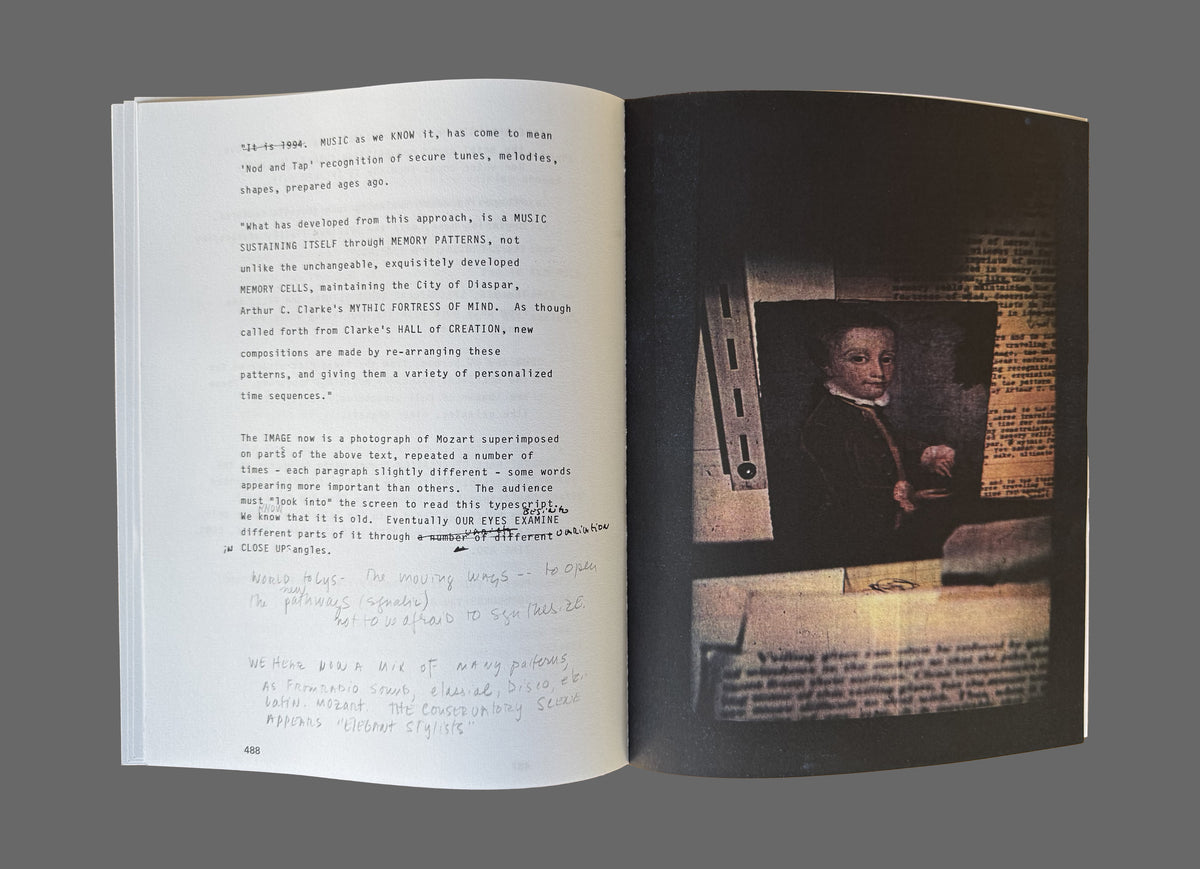
Description via Blank Forms: Had it been produced, Maryanne Amacher's media opera Intelligent Life would have represented the summation of the composer’s concept to date. As she wrote to John Cage in the autumn of 1983, following the untimely deaths of the opera’s patrons—Wies Smals, founder of De Appel, and curator Josine van Droffelaar, in a plane crash in the Swiss Alps—she would have at last had the support to “communicate the finest of my thought to others.” Amacher’s serial, intended for broadcast, sought to transmit her evolving ideas about perception, listening, and composition to a broader public—shifting music away from “nod and tap recognition” toward a transformative practice that could awaken intelligence to “unrecognized and new perceptual modes.”
Set in the year 2021, Intelligent Life follows the employees of Supreme Connections Inc., a music entertainment corporation navigating a future in which artificial intelligence generates music faster than composers can. Anticipating an industry-wide downturn, Supreme Connections president Aplisa Kandel seeks advanced technologies that will revolutionize the act of listening and the future of music, including a bio-music script that lets the user hear Bach from the aural perspective of a reindeer and a wearable device that goes beyond replicating the mechanical tympanic resonances of the listening subject to produce the “listening mind” or the “sophisticated perceiver”—capturing and reproducing all the emotional and psychological associations unique to each individual.
Though Amacher could not realize Intelligent Life in any of its intended forms—she theorized its publication as a serialized radio broadcast and television simulcast, among other configurations—she continued designing “treatments” for the opera for much of her career. This volume makes the most complete of these working documents—including episodic scripts, notes on the use of LaserDisc, and an illustrated storyboard for the pilot—available to the public for the first time.
9.5" x 12" 573 pages Hardcover Full color Offset Published by SOHN ISBN: 9788771220421 First Edition
Description via Henning Christiansen Arkiv:
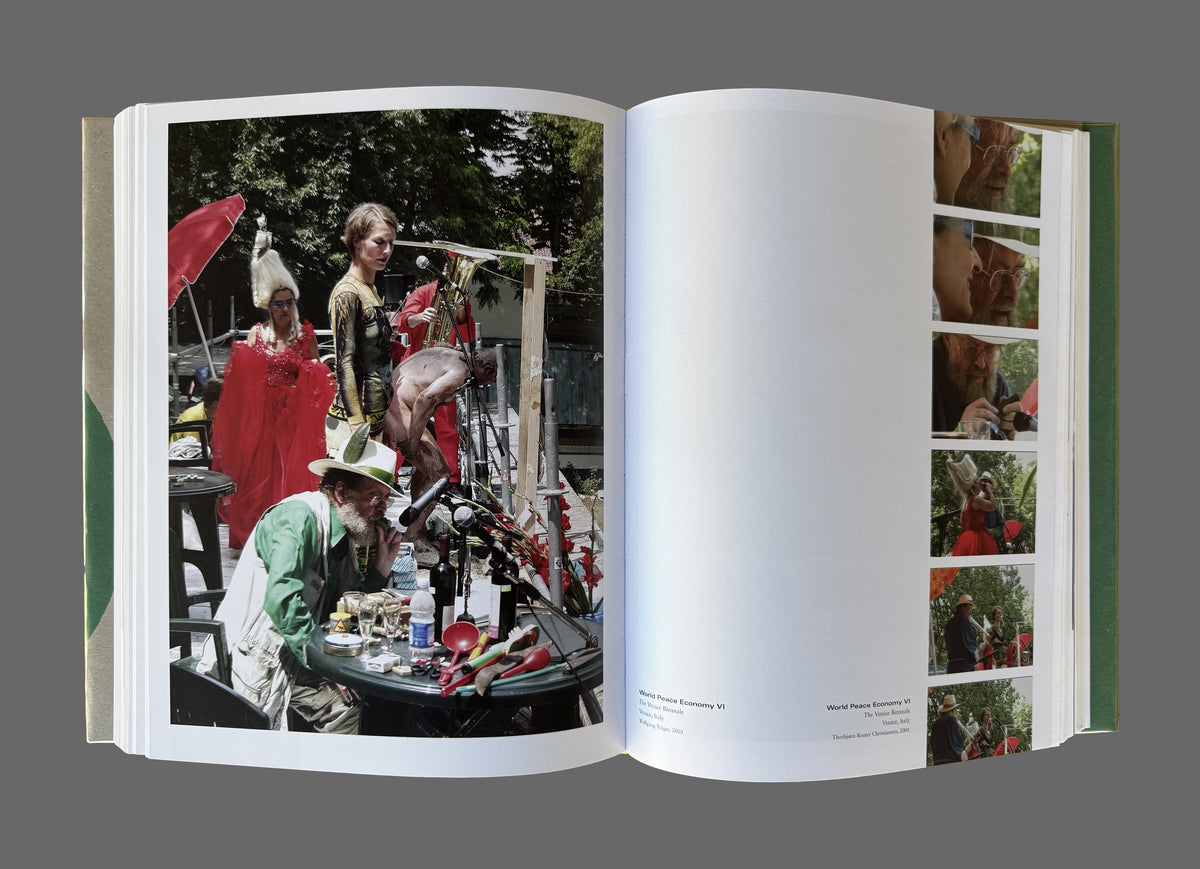
Highly recommended massive 578 page hardcover monograph about the life and work of Henning Christiansen, including texts and anecdotes by HC himself, an extensive & complete illustrated documentation about his performances & actions and musical compositions, plus countless photographs and prints of artworks, paintings & scores. Bilingual English & Danish.
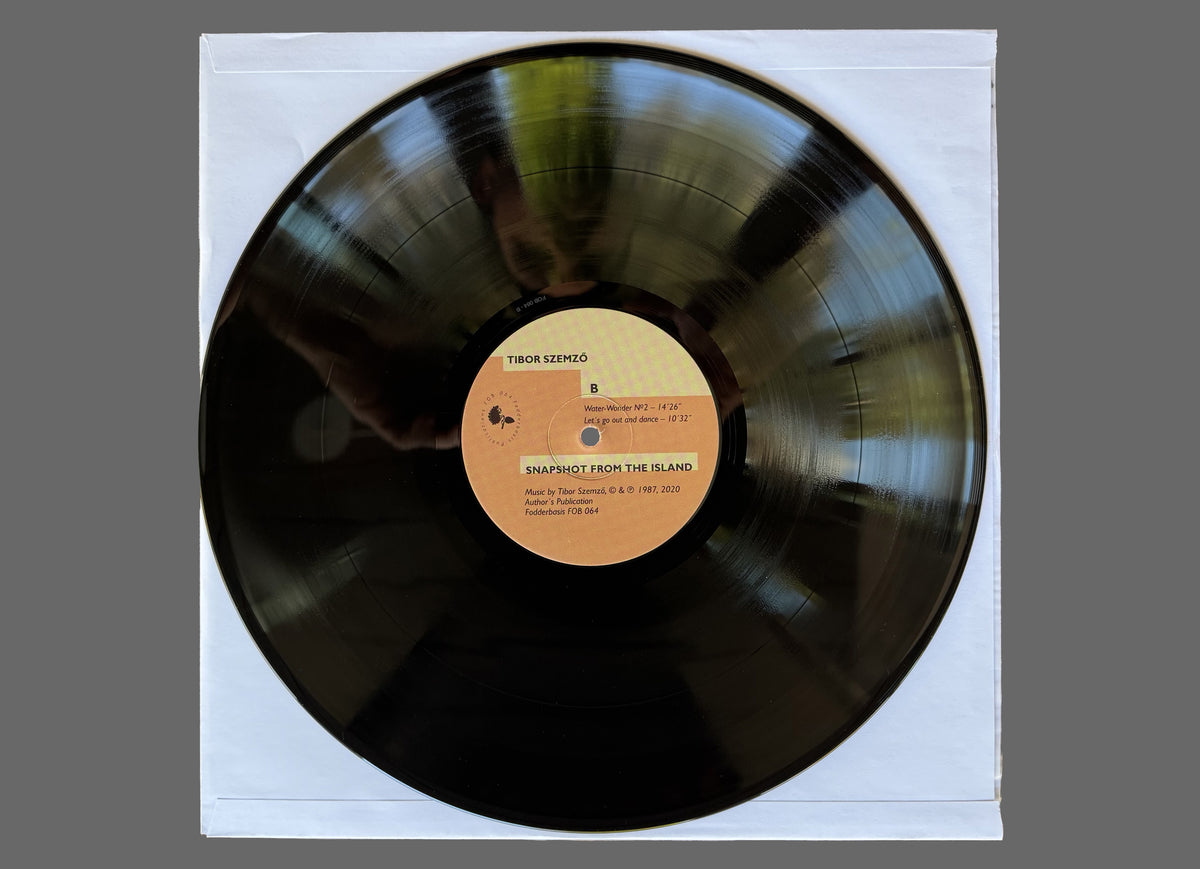
Tibor Szemző - Snapshot From The Island LP (FOB064)
Regular price
$30.00 USD
Regular priceSale price
$30.00 USD
Unit price/ per
Sale
Sold out
LP 2020 Reissue Tibor Szemző - flutes, voice, drum computer, sound installation László Hortobágyi - synth. on "Let's go out and dance" Mixed by László Hortobágyi and Tibor Szemző Remastered by István Szelényi Fodderbasis ( FOB 064)
Description via Aguirre Records:
Hungarian “minimalist” instrumentalist/composer Tibor Szemző is considered a genius by many, although his accomplishments as an artist are sometimes overshadowed by the likes of superstars, Steve Reich and Philip Glass. Snapshot From The Island was originally released by Leo Records in 1987 and now 33 years later the album gets the proper reissue on his own label.
Snapshot From The Island is a wonderful excursion into ambient-electronic-acoustic dreamscapes which could also be considered an offshoot of what many call the “minimalist movement” The title track, “Snapshot From The Island” is a 24-minute tone poem featuring Szemzőperforming on computer drums and flutes of various pitch. Here, Szemző provides a soft rhythmic undercurrent to balance the somewhat ethereal and delightfully hypnotic motif as he also electronically emulates bird and animal sounds which magnifies the mood or imagery of a far away “Island” paradise.
Szemző is a true artist, a painter with a fertile imagination, as he invites the listener into his introspective world of thoughts and dreams. Szemző’s lush, yet subtle flute work evokes a surreal landscape on ”Water-Wonder”. On this piece, Szemző pursues circular passages while also intelligently utilizing a dash of echo to enhance the aura of a magical or mystical place, which for all intents and purposes seems timeless or otherworldly. “Let’s Go Out And Dance” is a dream-laden piece, featuring Szemző’s “cosmic” flute performances atop a soft pulse and László Hortobágyi’s synthesizer backwashes which conveys a sense of fulfillment or perhaps a scenario of – peaceful celebration. Again, Szemző offers up more visions of paradisen, which could very well have been a subtitle to this beautiful recording. The overall organic nature of Tibor Szemző’s music makes it all seem so real or something that our imaginations can easily grasp. There are no hidden clues or underlying mysteries behind all of this as Szemző’s artistry speaks for itself. A museum piece for the ears.
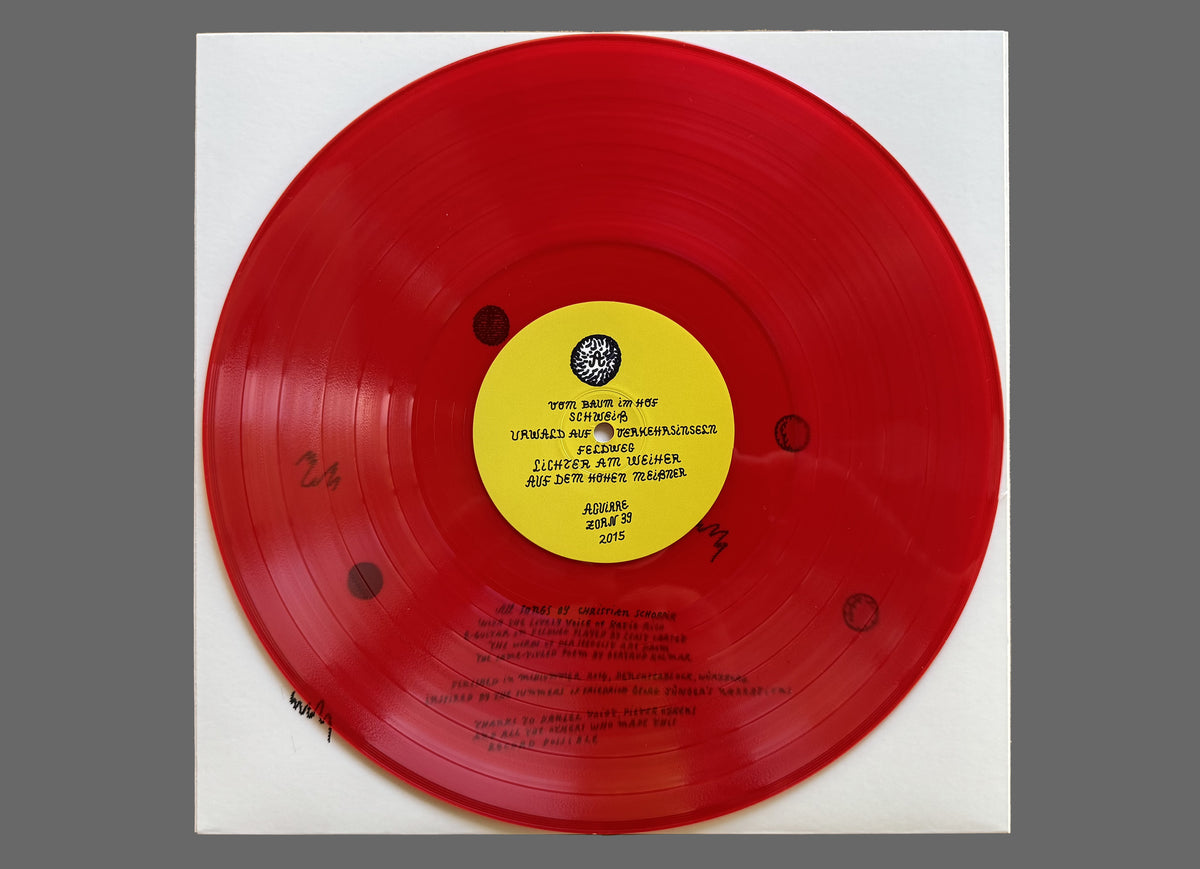
Brannten Schnüre - Sommer Im Pfirsichhain LP (ZORN39)
Regular price
$34.00 USD
Regular priceSale price
$34.00 USD
Unit price/ per
Sale
Sold out
LP Printed Inner sleeve Red Transparent Vinyl 2026 Repress Edition of 500
Description via Aguirre:
Brannten Schnüre is an experimental dark folk group out of Würzburg, Germany. Christian Schoppik composed and played all the music, Katie Rich whispers, recites and sings. Together they make astoundingly beautiful folk with a rich instrumentation leaning towards the atonal spectrum. Instrumental wanderings stand alongside Nico-esque poetry tales. Christian plays the accordeon and in some songs guitar and flute. Inspired by hierophants like Nový Svět and David Jackman, solemn song fragments (a lot of old greek rembetiko-recordings) are modified and looped, with additional instruments and voices being integrated later on. His music has been described as “surreal folkcollage” and “german hauntology”.
With the emergence of Schoppik’s second project, a dada cabaret called Agnes Beil in 2010, Brannten Schnüre moved closer to the song structures of its frivolous sibling. The songs of Schoppik’s latest creation Sommer im Pfirsichhain are further accompanied by a female singing voice, lending the pieces the voluptuous quality of a stickily tense midsummer. Sommer Im Pfirsichhain (Summer In The Peachgrove) is the second part of a quartet of releases. The first being Aprilnacht which got released on Sic Sic Tapes last year. Part three Geträumt hab' ich vom Martinszug and part four will follow later.
Reference points are bands like Winter Family and Twinsistermoon. Music etched on folkloric, ritual elements transferred into the 21th century. Also worth mentioning is the hand-drawn artwork which is made by artist Gwénola Carrère.
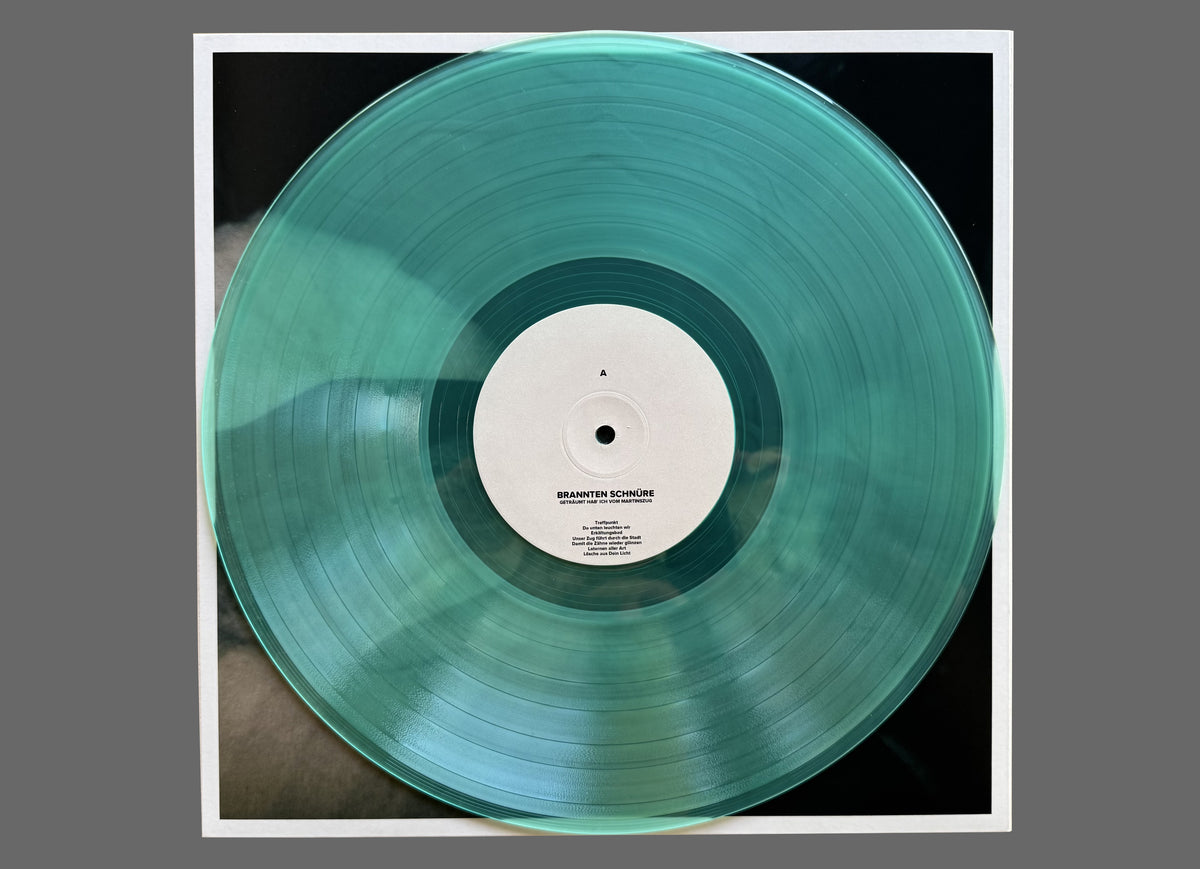
Brannten Schnüre - Geträumt Hab Ich Vom Martinszug LP (ZORN80)
Regular price
$34.00 USD
Regular priceSale price
$34.00 USD
Unit price/ per
Sale
Sold out
LP Printed Inner sleeve Green Transparent Vinyl 2026 Repress Edition of 500
Description via Steve Marreyt:
Dich lieb ich, Erde! trauerst du doch mit mir! Und unsre Trauer wandelt wie Kinderschmerz In Schlummer sich und wie die Winde Flattern und flüstern im Saitenspiele
The third stanza ofFriedrich Hölderlin’s poem ‘Dem sonnengott’ evokes a narrator who is tortured by Spleen until slumber makes his childlike gloom disappear with music. Although today’s readers might judge these nineteenth century musings of the Imagination as mere stylistic platitudes, they also still speak beyond the grave as universal truths. A mere two hundred years later similar anxieties and hopes are still channeled through various art forms, with changing success and reverberation.Brannten Schnüreare one of those neo-romantic music experimentalists who add to a long tradition of celebrating folk tale and exoticism. Their meticulously crafted loops, hesitant melodies and heavily nostalgic lyricism could easily be translated to what the late philosopher and music criticMark Fishercalled ‘hauntology’, a postmodern longing for a lost future. To describe the beauty of ‘Geträumt hab’ ich vom Martinszug’, however, the term seems somewhat dissatisfying. Romanticism is a hard nut to crack in the Anthropocene, andBrannten Schnüre’s realms of the cerebral are too deeply ingrained in a German tradition of story telling to define them within popular paradigm.
‘Geträumt hab’ ich vom Martinszug’ was recorded in 2014 in Würzburg and functions as the autumn part of the band’s seasonal cycle quadrilogy (the other segments being ‘Aprilnacht’ (SicSic), ‘Sommer im Pfirsichhain’ (Aguirre) and ‘Durch unser zugedecktes Tal’ (Youdonthavetocallitmusic)). It deals with the Saint Martin’s parade, a mostly European tradition to celebrate the medieval spirit of Saint Martin of Tours, friend of children and patron of the poor. Around 11 November children come out on the streets with lanterns and sing ancient songs in exchange for sweets. It’s a period of snugness and expectation, of yearning and dreaming, and therefore a consummate subject for the duo to scrutinize.
To the adult’s ear the dream of the Saint Martin’s parade isn’t all that consolatory. The dark and slow loops of Christian Schoppik rather sound like motifs for a welcome paralysis. Sometimes as a gentle backdrop for vocals by Katie Rich and Schoppik himself, the repetitive structures serve as tricksters that trade innocence for the uncanny. The dream becomes a fever dream which quickly absorbs the listener into a vacuum, an eternal post-panic attack semi-relief. Maybe that’s the amazing paradox ofBrannten Schnüre.The space they occupy is never comforting – as if being locked up inside aCarl Grossbergpainting – but it’s also a subliminal aural zone you do not want to leave. It’s music as being, as a stream, devoid of climax or catharsis. And because it is flux and being, and exists to be taken, it speaks in art’s purest form. ‘In place of a hermeneutics we need an erotics of art’Susan Sontagfamously concluded her essay ‘Against Interpretation’ with. Well, look no further …
‘Geträumt hab’ ich vom Martinszug’ was originally released on cassette in 2016 by Ulrich Rois’ excellentFeathered Coyote Records.
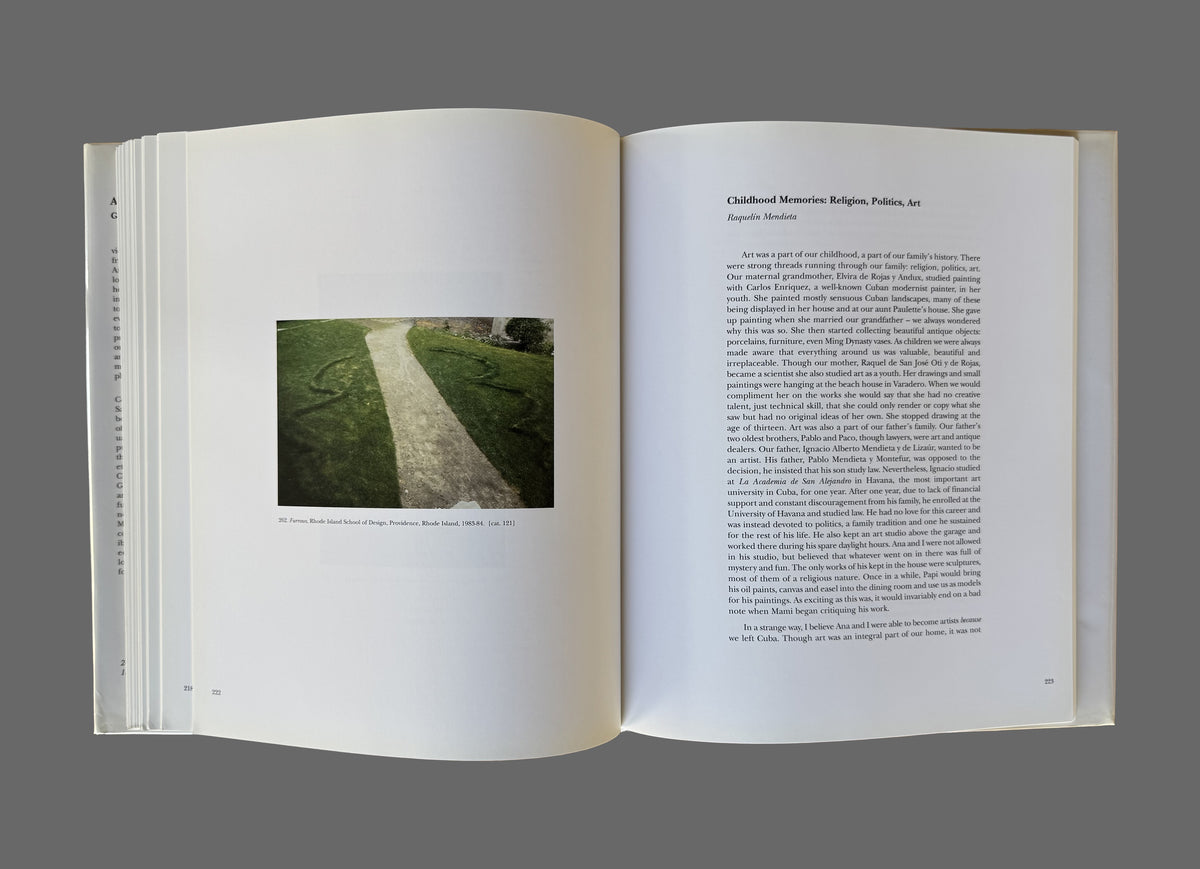
8.5" x 10.25" 274 Pages Hardcover w/ Dust Jacket Full Color Offset 244 full-colour illustration 18 b&w ISBN: 9788434308213 Published by Ediciones Poligrafa First Edition
Description via DAP:
This monograph on the Cuban-born artist Ana Mendieta provides the most comprehensive overview of her career available in English. From her early performances to her Land Art works, sculptures, and drawings, examples from all phases of her career--from the late 1960s to her death in 1985-- are considered here in extensive color plates, several in-depth essays, and writings by the artist.
Includes essays by Donald Kuspit, Gloria Moure, Raquelin Mendieta, Charles Merewether and Mary Sabbatino.
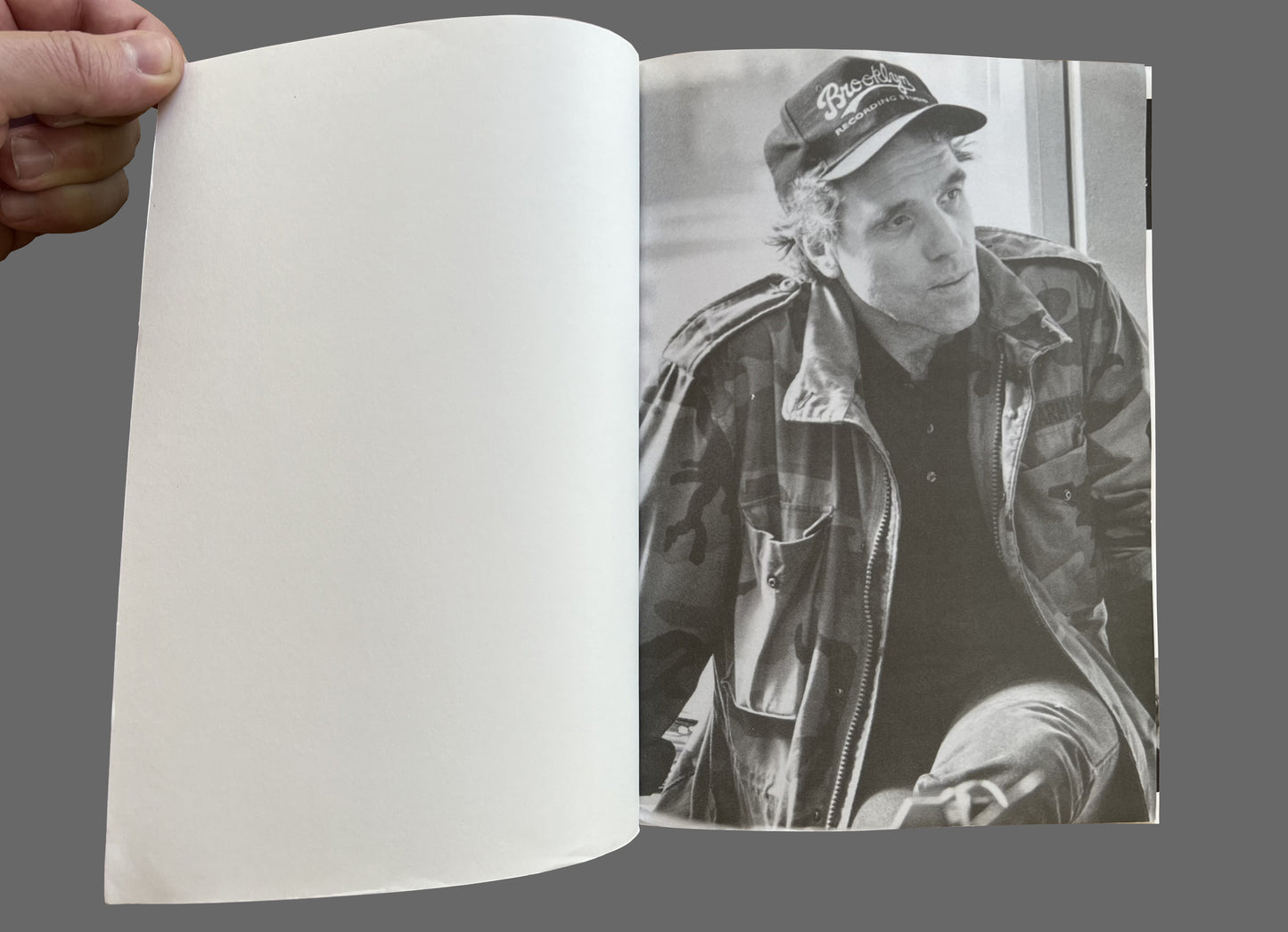
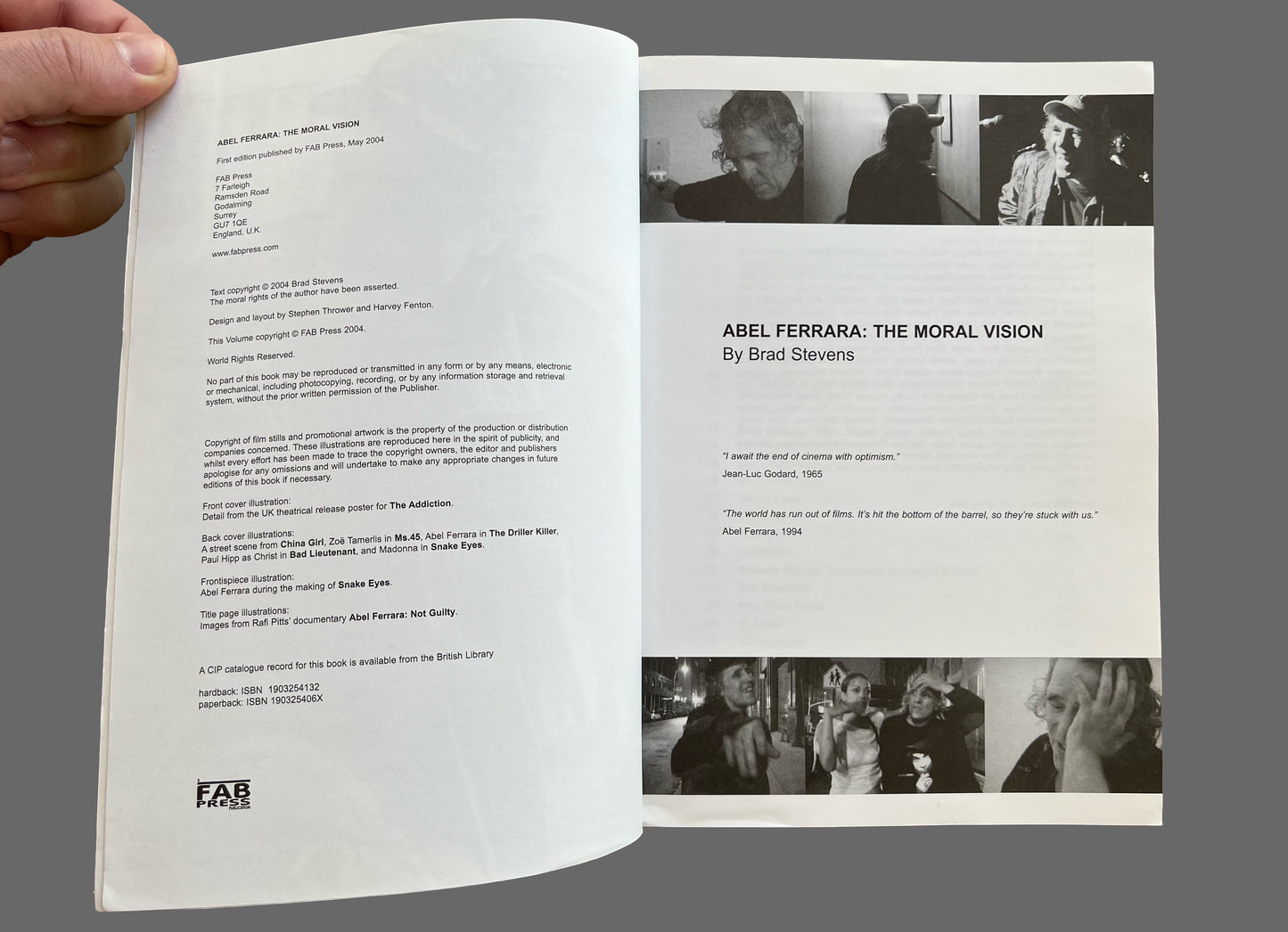
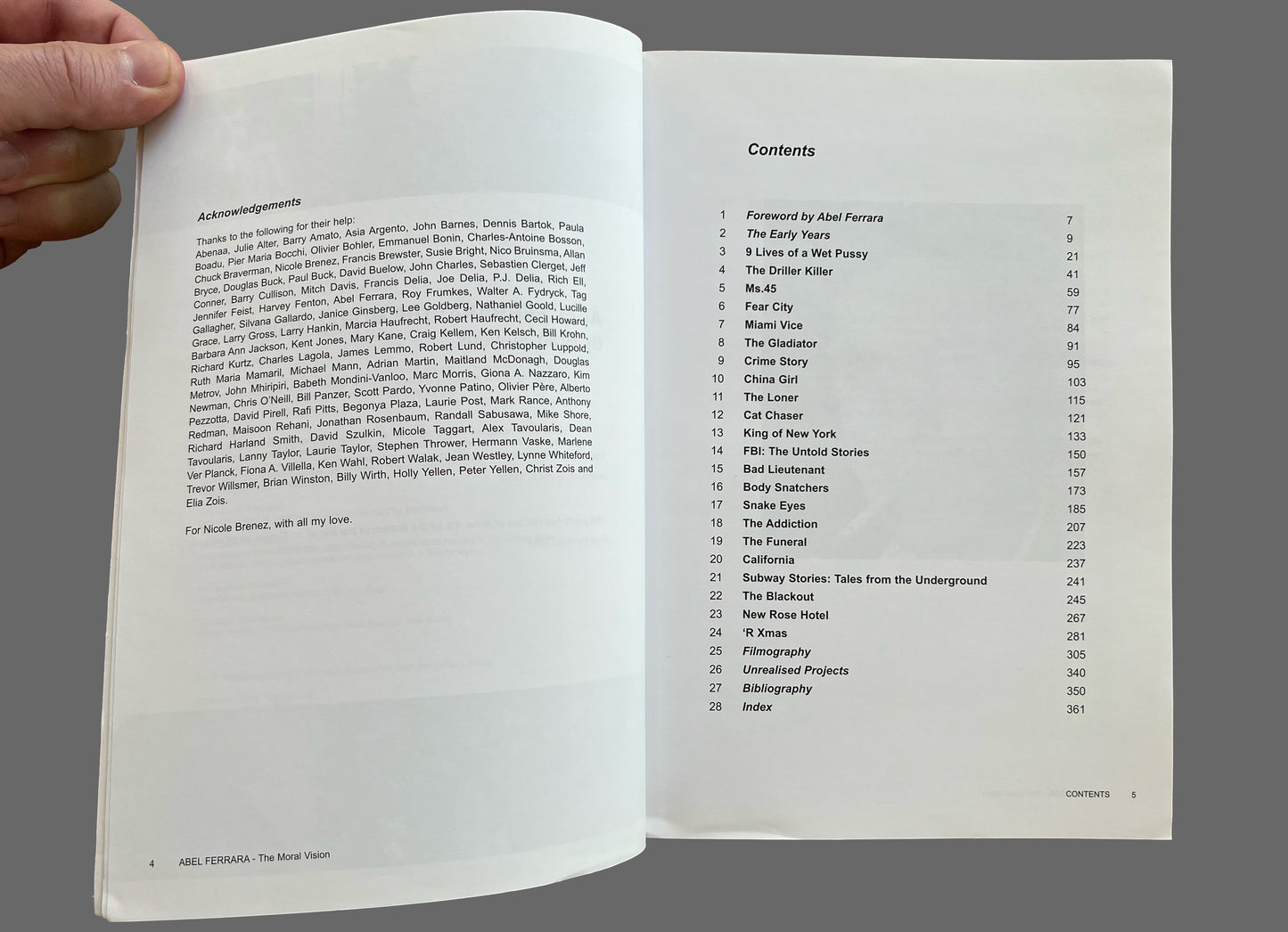
7" x 9.75" 367 pages Hardcover B&W w/ Full Color 2004 First Edition Published by FAB Press ISBN: 1903254132 Barcode: 9781903254134
(this is a preowned book / very clean copy / strong binding)
email: rosshunterwaitman@gmail.com for further information
Description via FAB Press:
From The Driller Killer - a victim of the original 'video nasty' panic - to Bad Lieutenant and beyond, Abel Ferrara's films have attracted controversy for their extreme subject matter and admiration for their fine acting: Harvey Keitel, Christopher Walken, Madonna, Willem Dafoe, Matthew Modine and Ice-T all gave their finest performances under Ferrara's direction. Now, in this ground-breaking book, Brad Stevens subjects Ferrara's output to exhaustive analysis and discovers a tender heart beating beneath the excessive imagery.
With chapters devoted to every film, television episode and music video made by Ferrara - including accounts of the director's early shorts, his pseudonymous debut 9 Lives of a Wet Pussy, and his anonymous contribution to a reality TV show entitled FBI: The Untold Stories - Abel Ferrara: The Moral Vision presents the author's case that Ferrara is among the most important cultural figures of our time. By means of analysis and comparisons with key figures in the fields of cinema and literature, the author establishes Ferrara's status, demonstrating how the stylistic practices of such masterpieces as Ms.45, King of New York, Snake
Eyes, The Addiction, The Funeral, The Blackout, New Rose Hotel and 'R Xmas express a generous and passionate morality.
Includes a wealth of biographical information based on interviews with Ferrara and his most important collaborators, such as Joe Delia, Francis Delia, Ken Kelsch, Anthony Redman, Mary Kane, Randall Sabusawa, Douglas Metrov and Asia Argento.
Contains a thoroughly researched filmography, notes on variant versions of Ferrara's films, a bibliography and a section dealing with unrealized projects.
Illustrated with rare stills and photos, including early portraits of Ferrara and shots of the director working on 9 Lives of a Wet Pussy. Over 100 b&w photos, plus a 16-page full colour section.
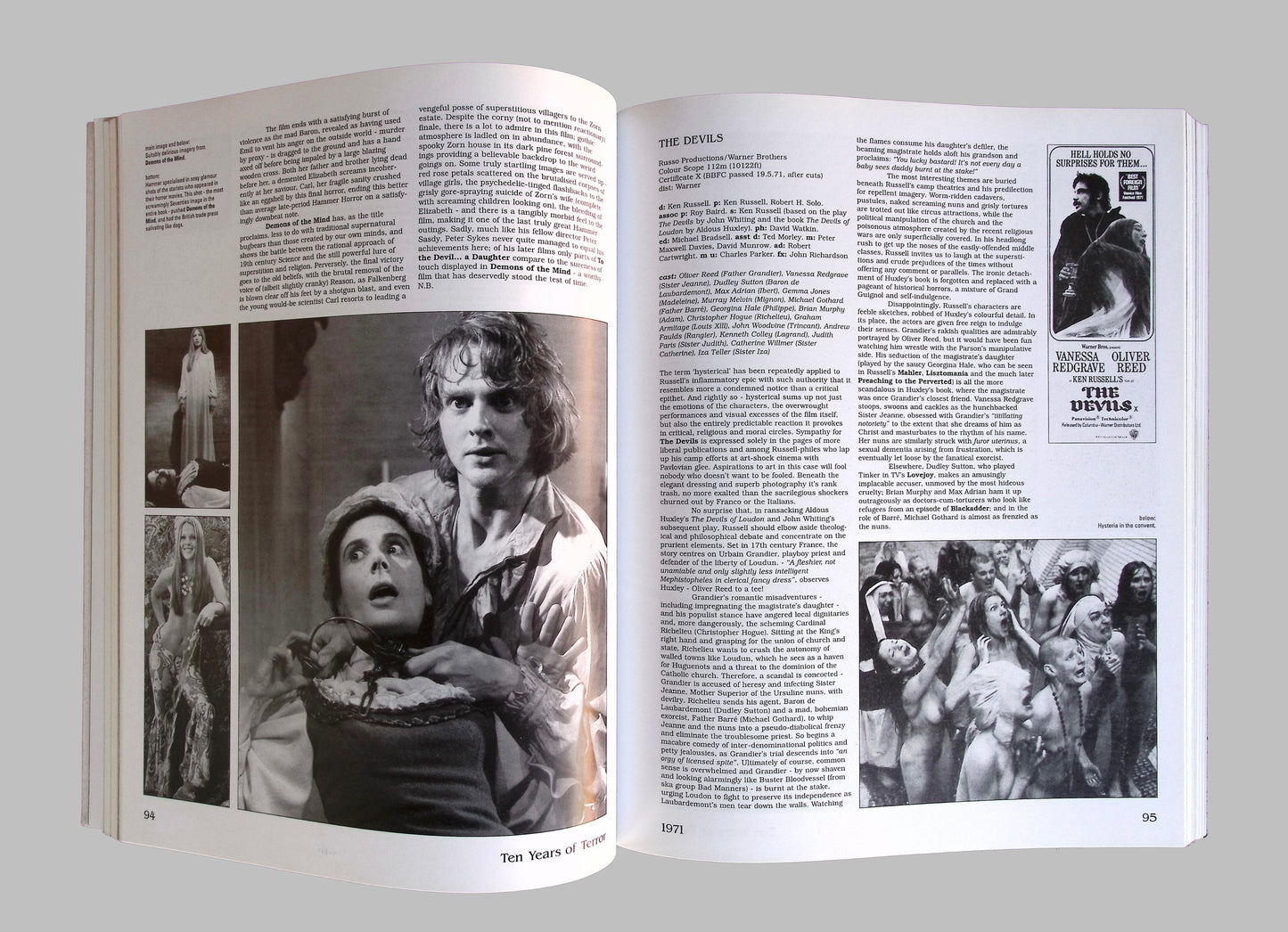
9 3/4” x 12 1/4” Hardcover B&W w/ Full Color Published by FAB Press ISBN: 1903254086 1st Printing (2001) (This is a preowned book in fine condition. Very clean 'archival' copy.)
Description via FAB Press:
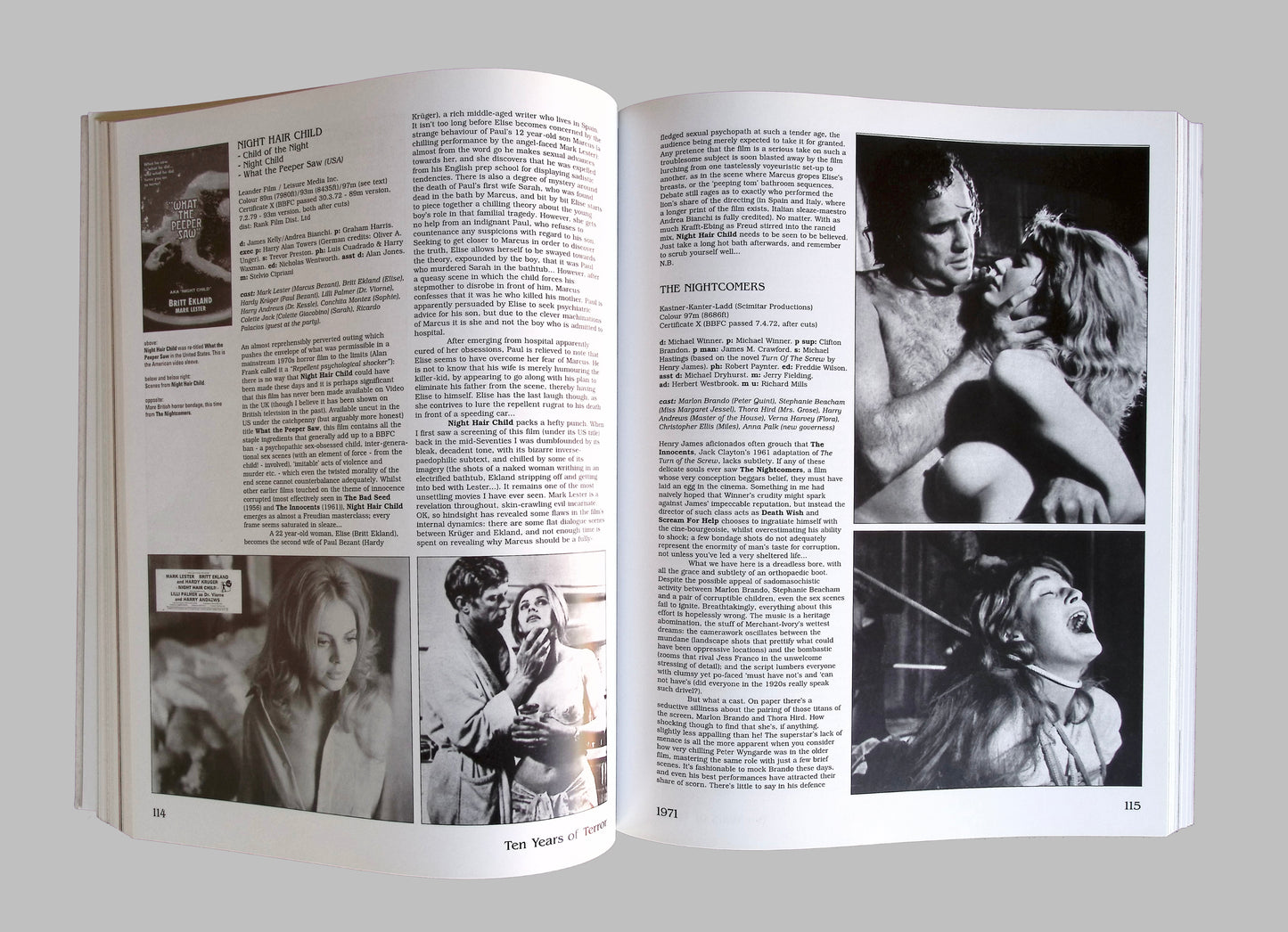
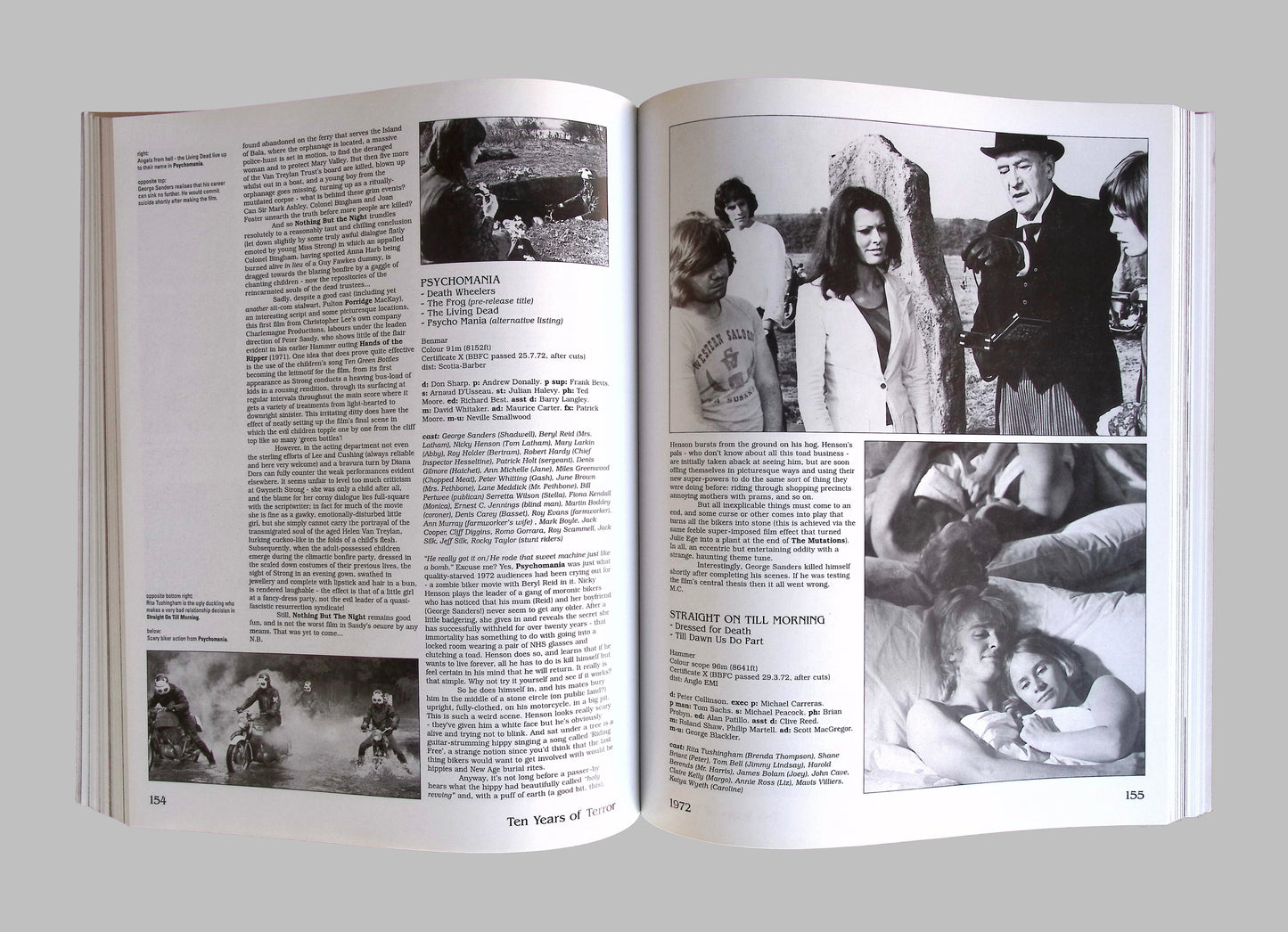
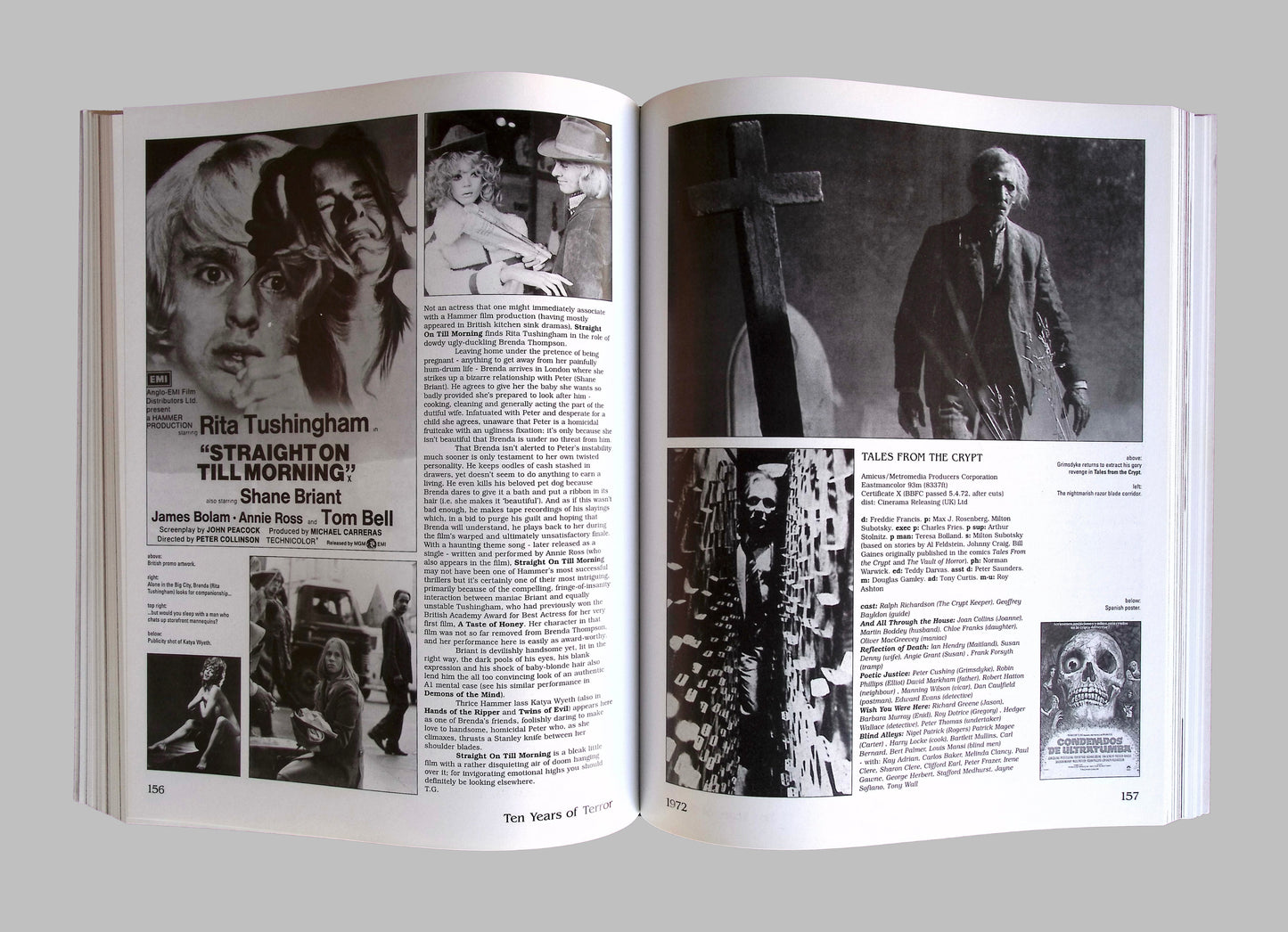
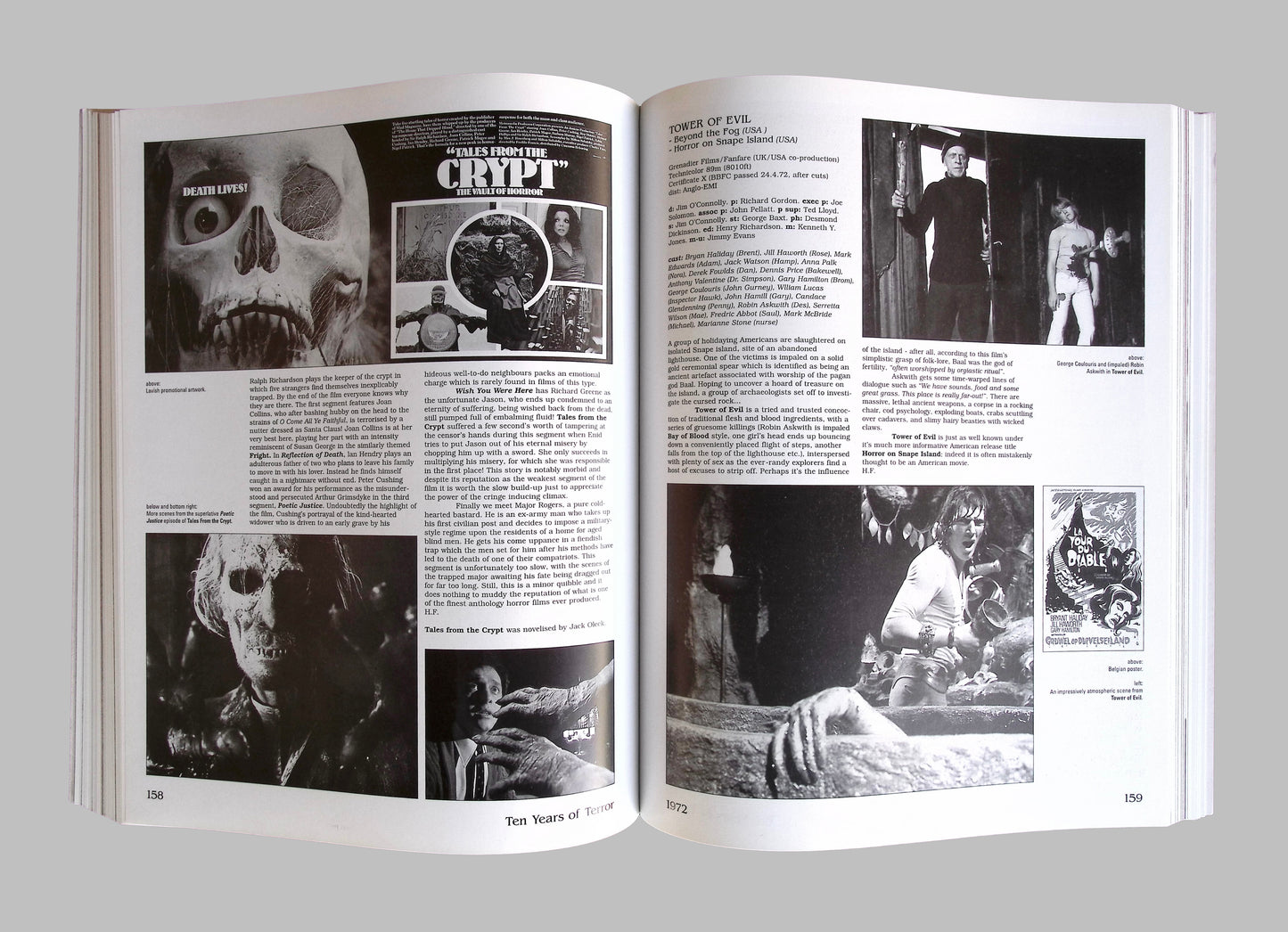
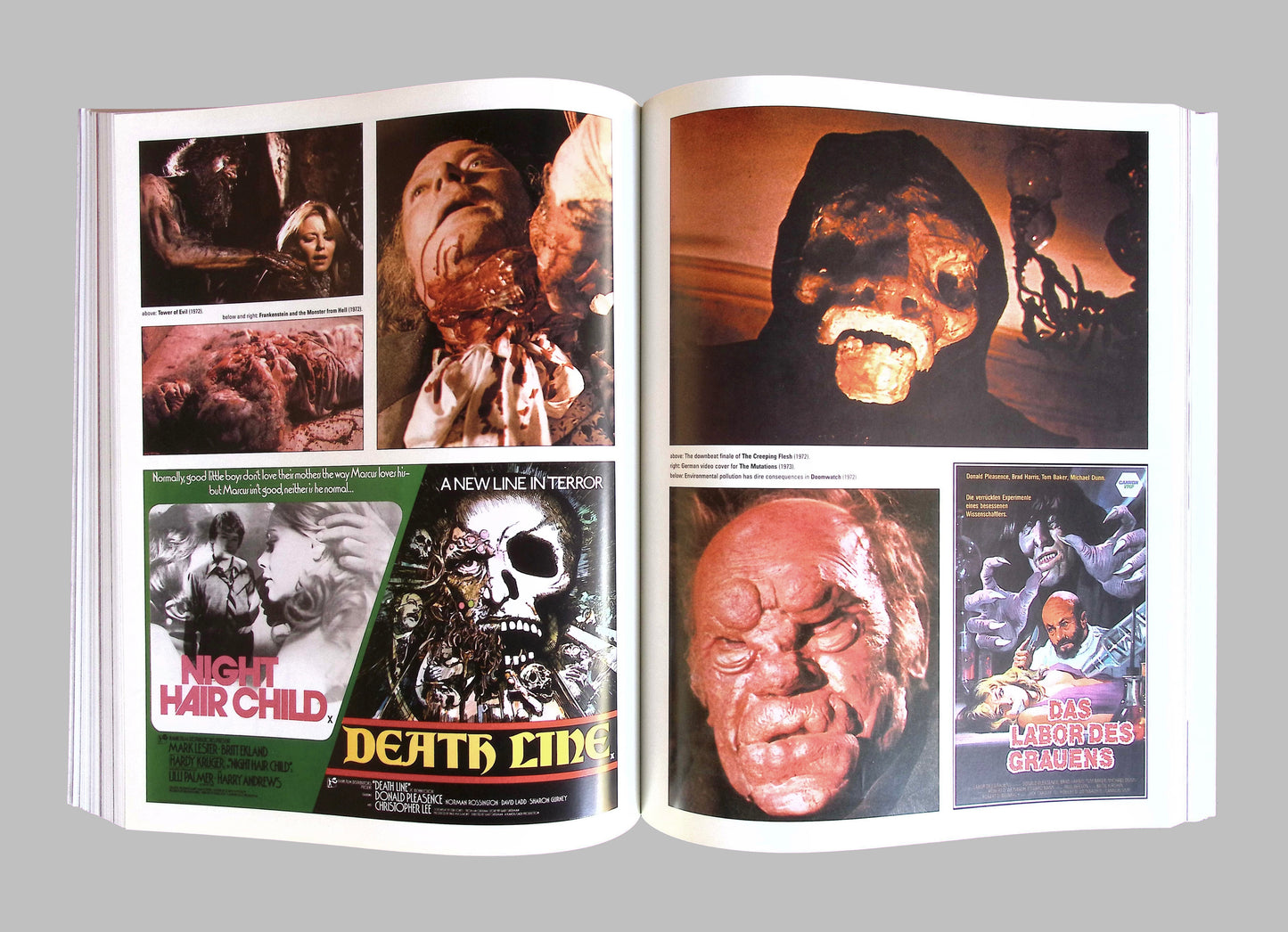
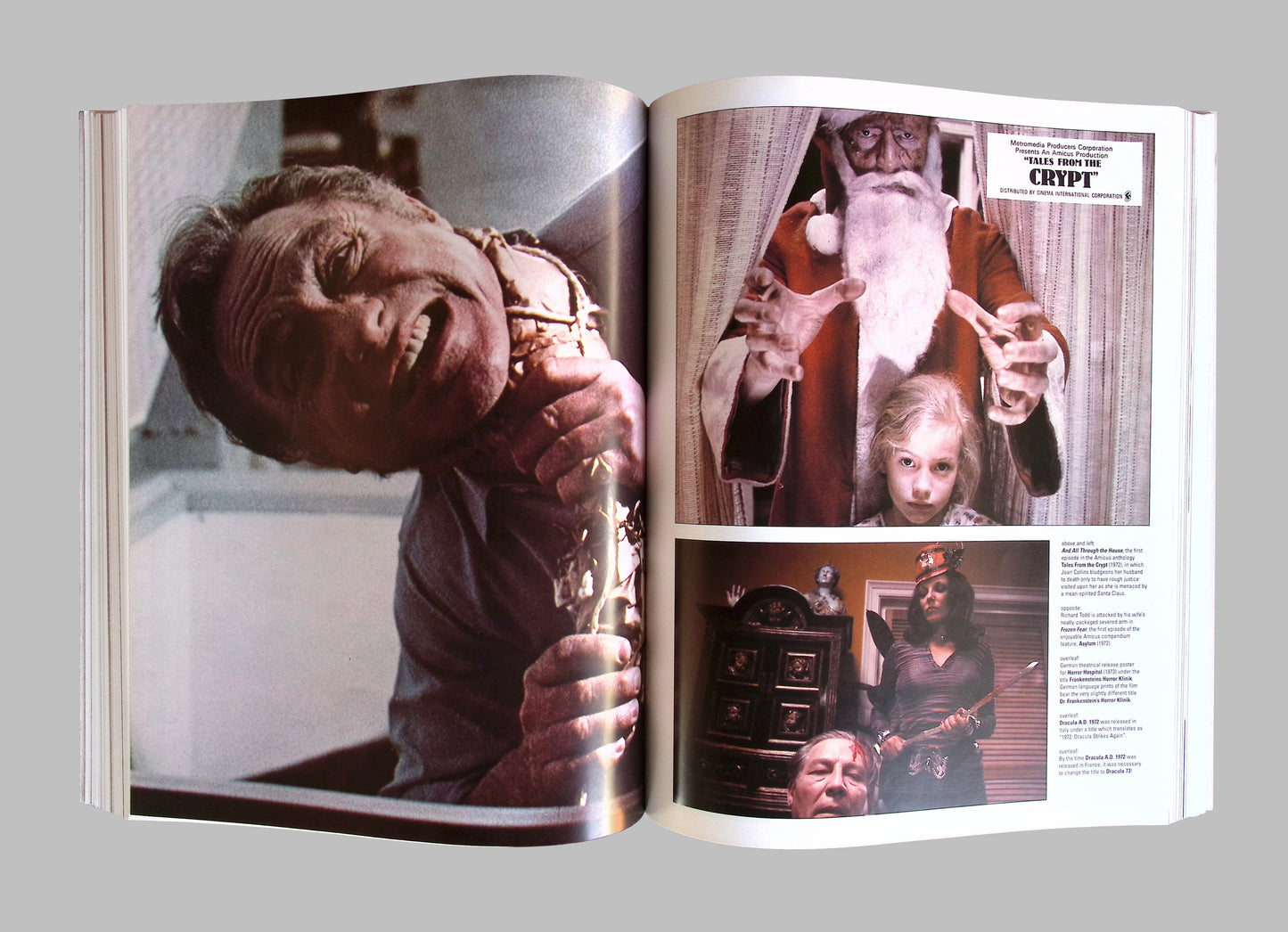
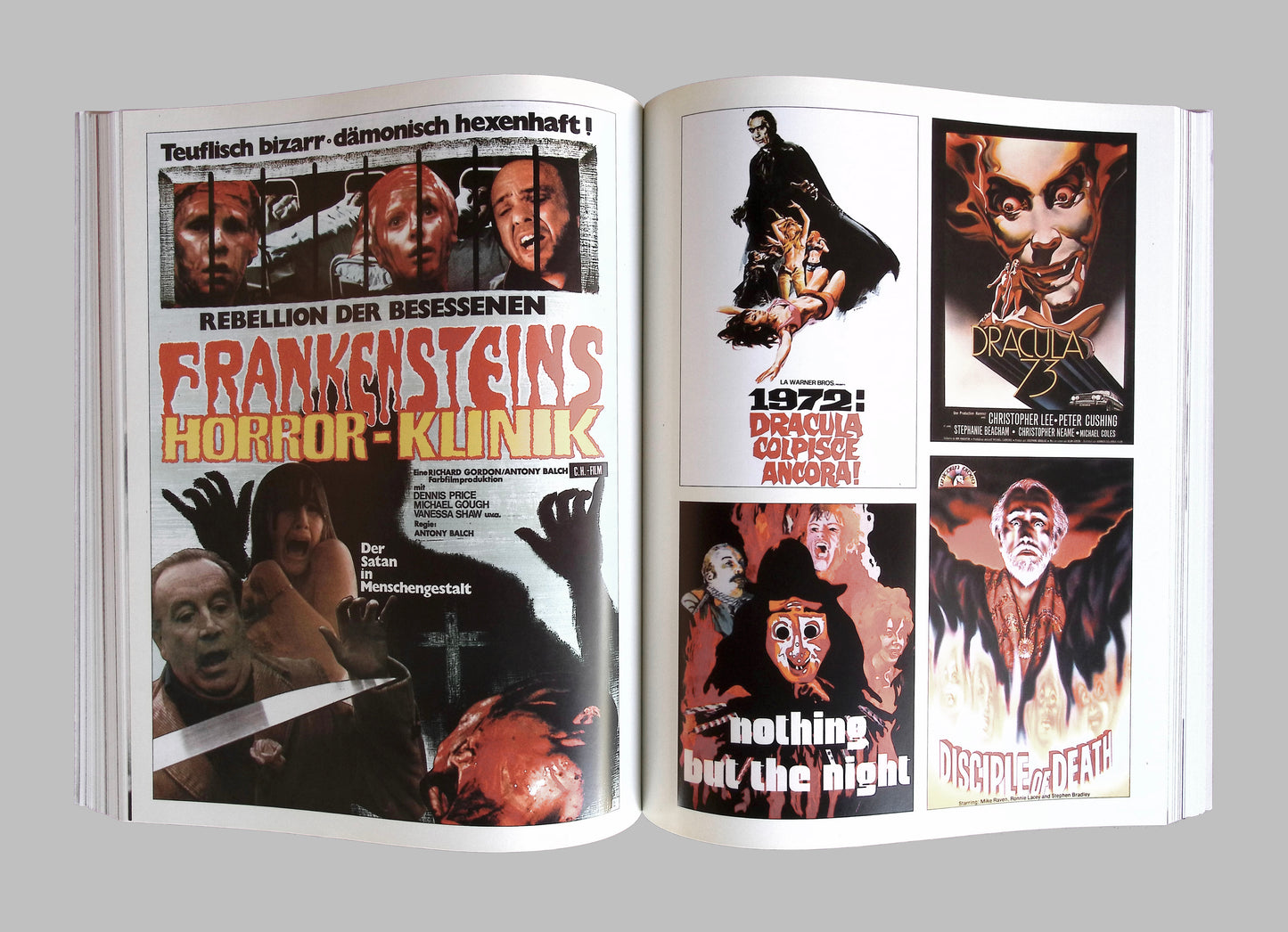
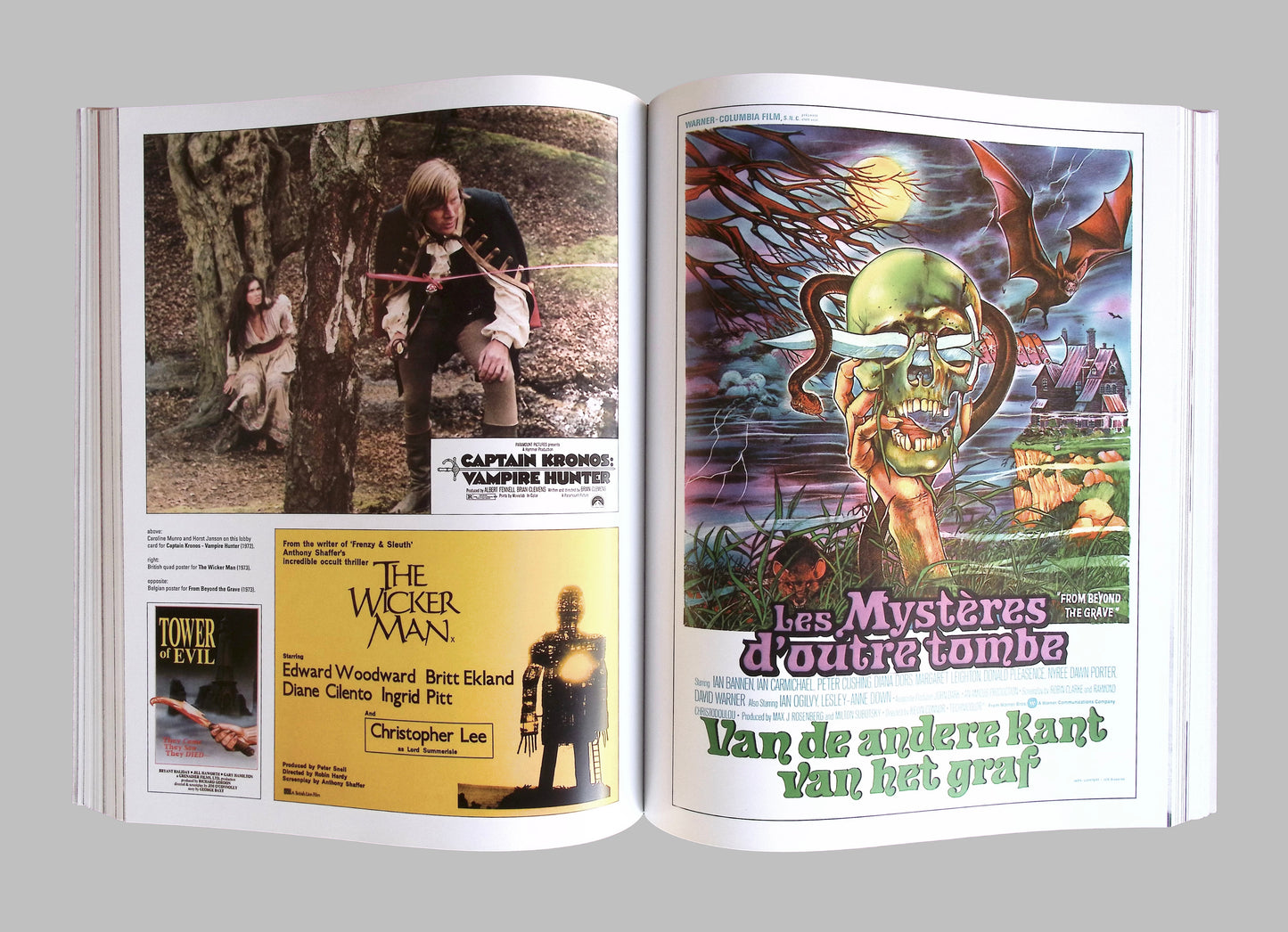
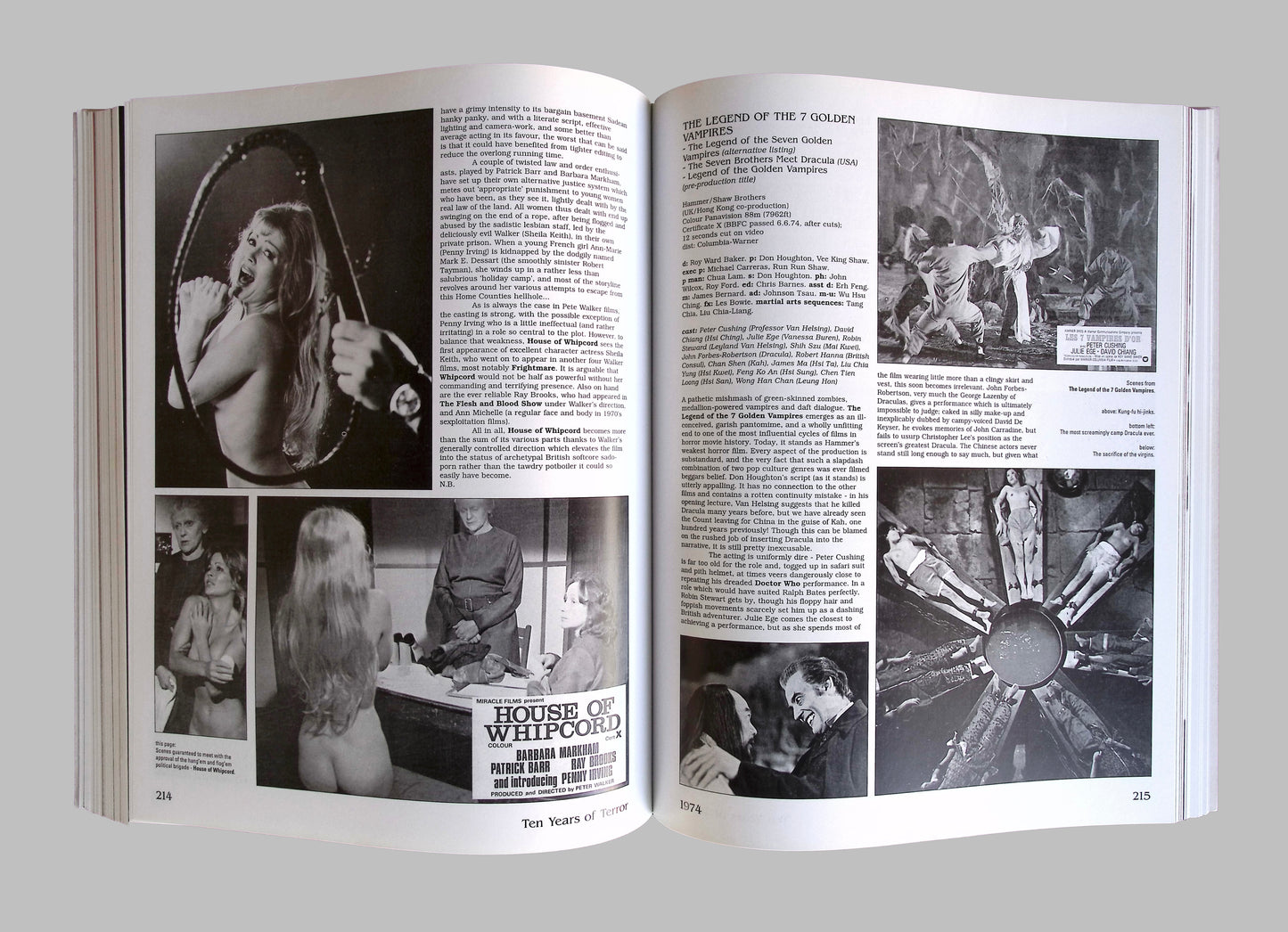
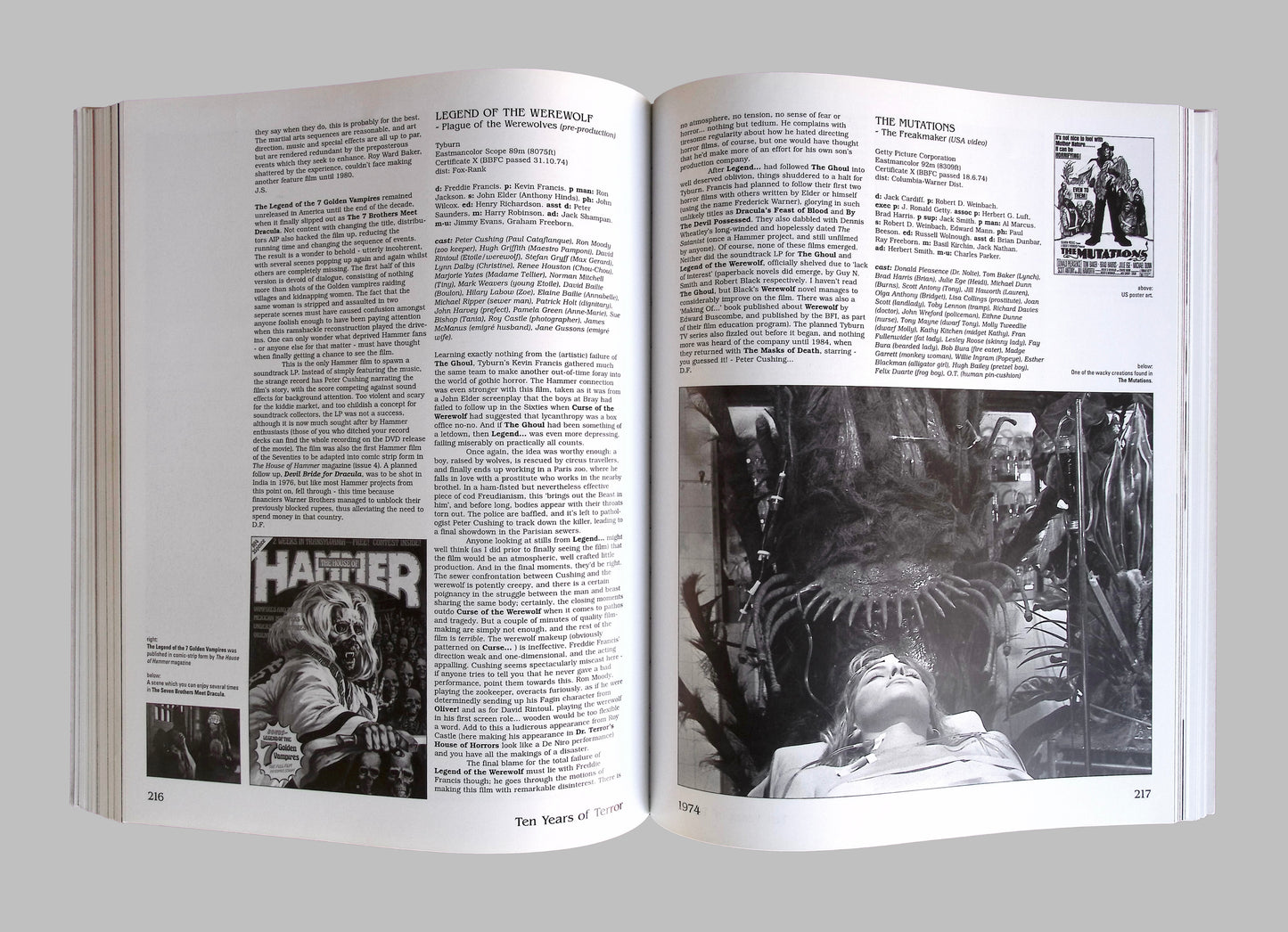
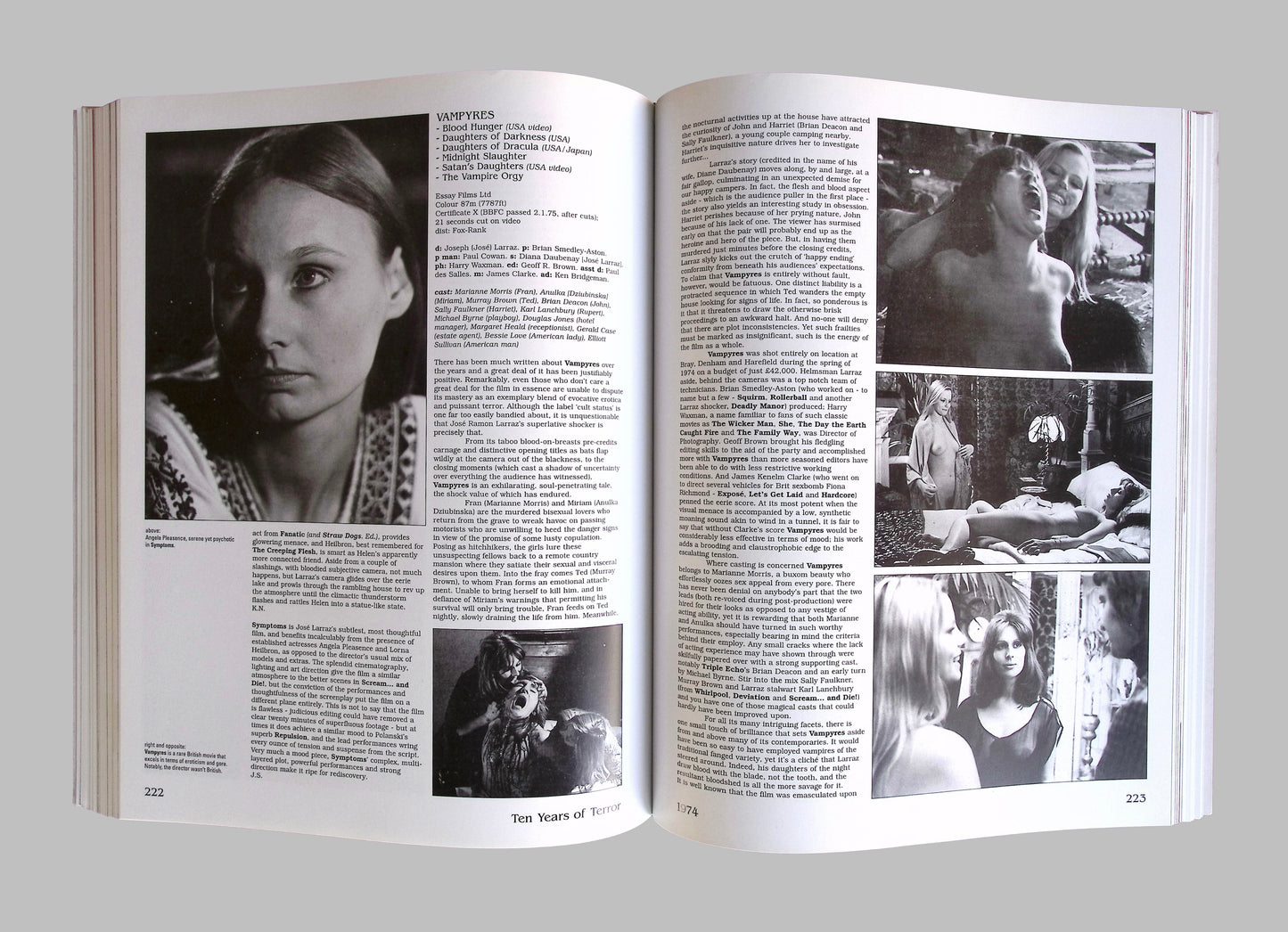
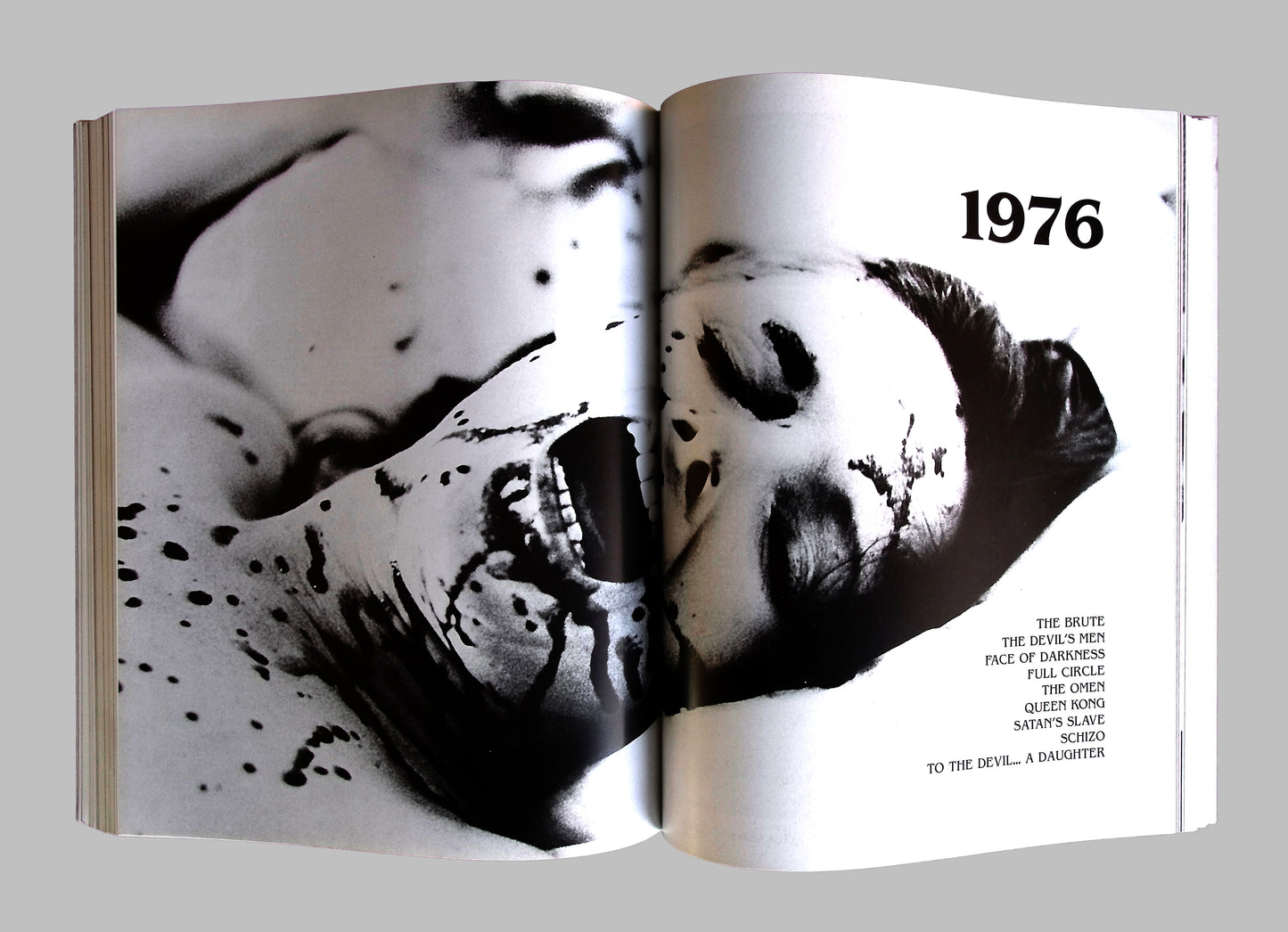
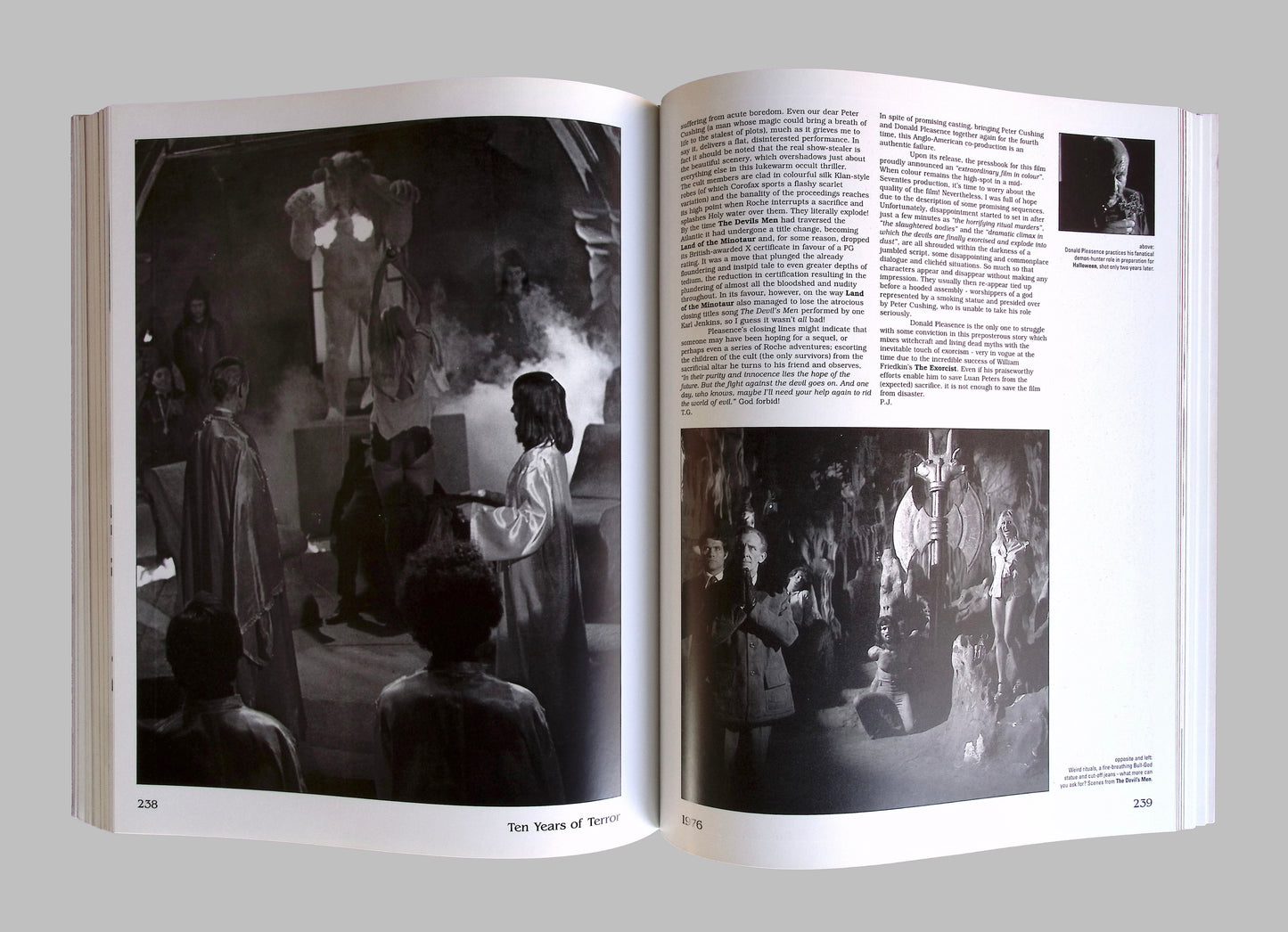
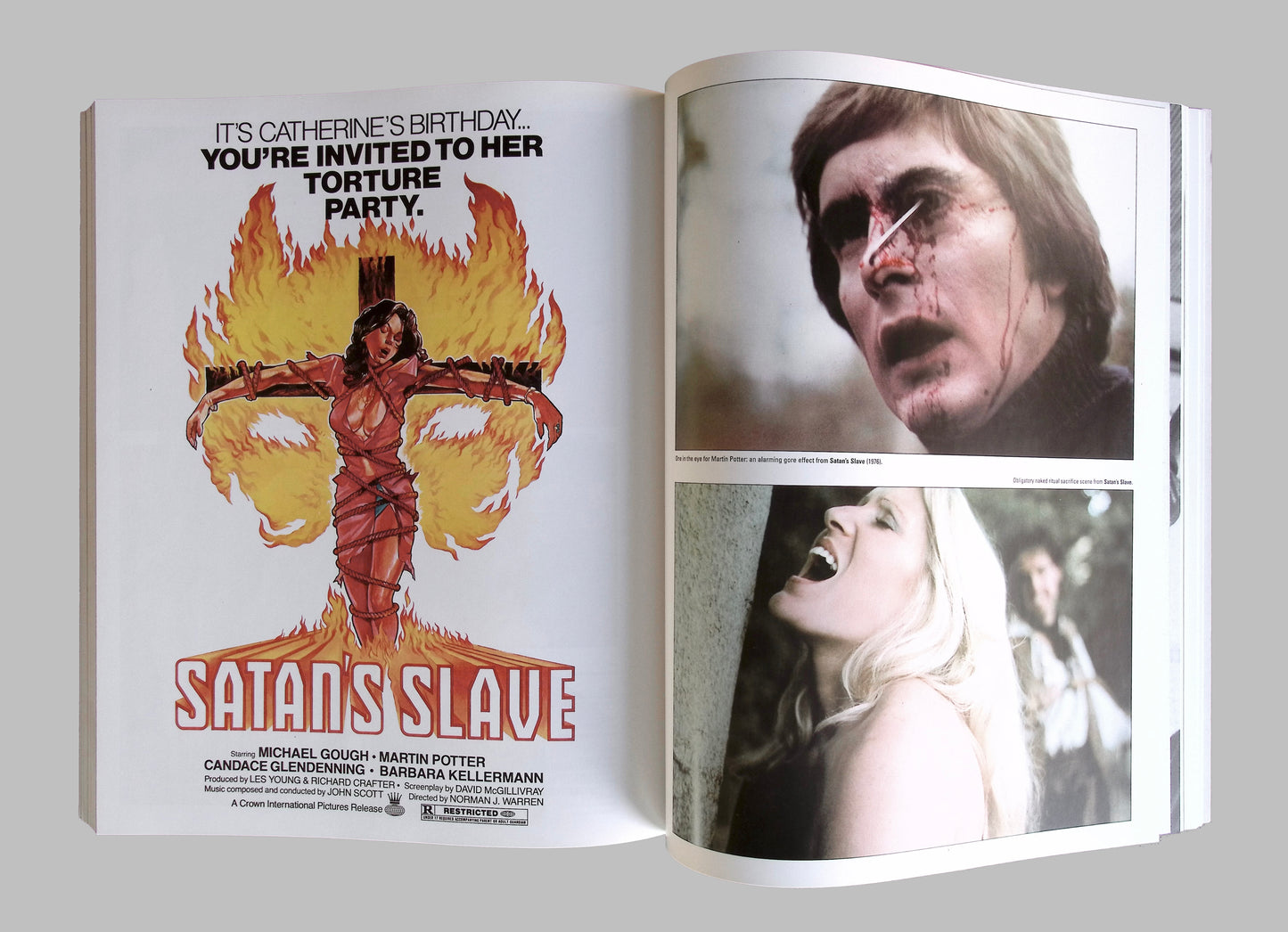
The Seventies was the heyday of independent film production in Britain and this decade marked the peak of creativity for the genre. Ten Years of Terror is an encyclopaedic record of this era featuring a stunning selection of film stills and truly great promotional artwork. This is a work of unparalleled research - a valuable and definitive reference work. Ten Years of Terror is a beautiful large-format book which thoroughly satisfies all cult and horror film fans; lavishly illustrated with many pages in full colour and stacks of never previously published photos.The Seventies was the heyday of independent film production in Britain and this decade marked the peak of creativity for the genre. Ten Years of Terror is an encyclopaedic record of this era featuring a stunning selection of film stills and truly great promotional artwork. This is a work of unparalleled research - a valuable and definitive reference work. Ten Years of Terror is a beautiful large-format book which thoroughly satisfies all cult and horror film fans; lavishly illustrated with many pages in full colour and stacks of never previously published photos.
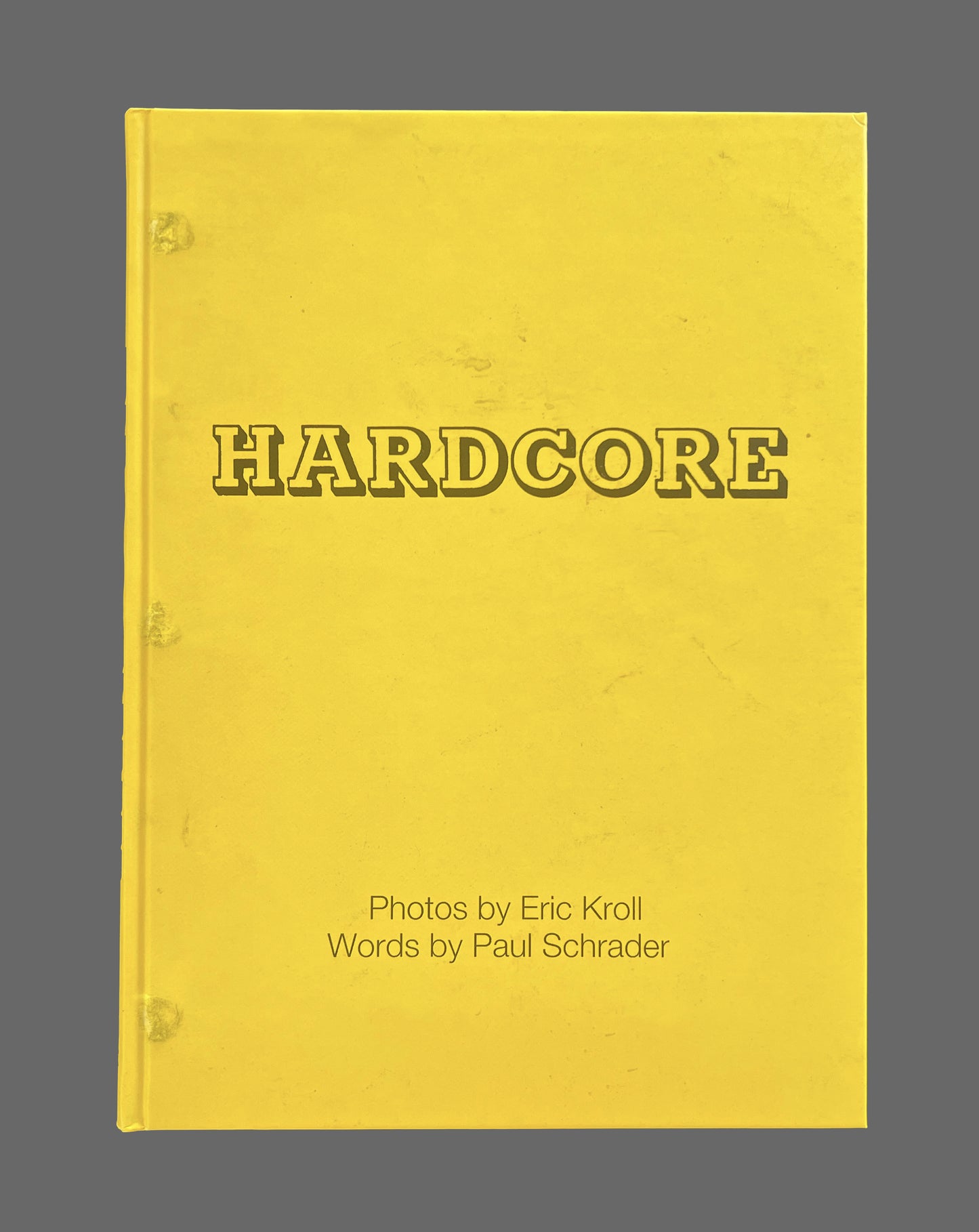
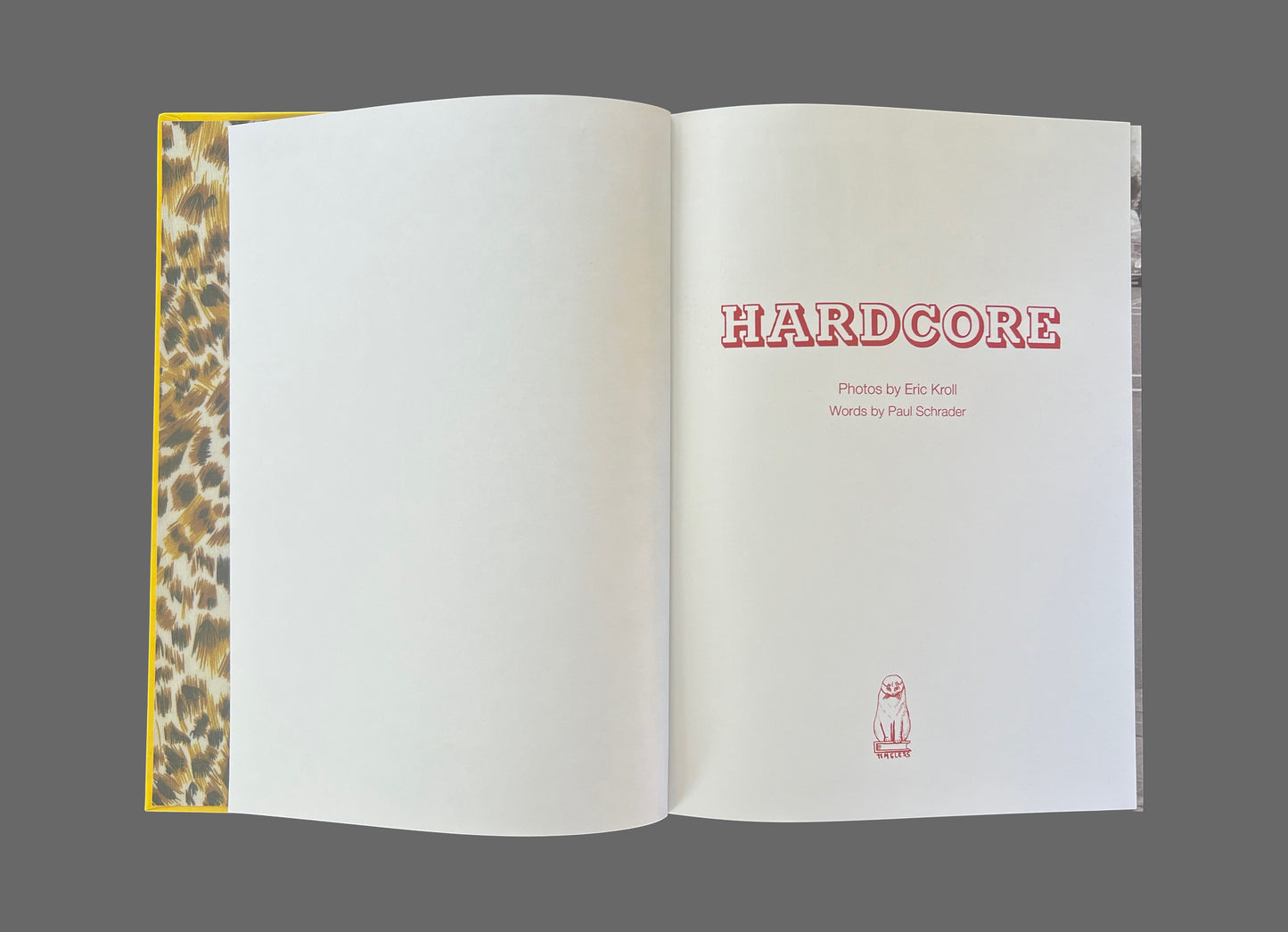
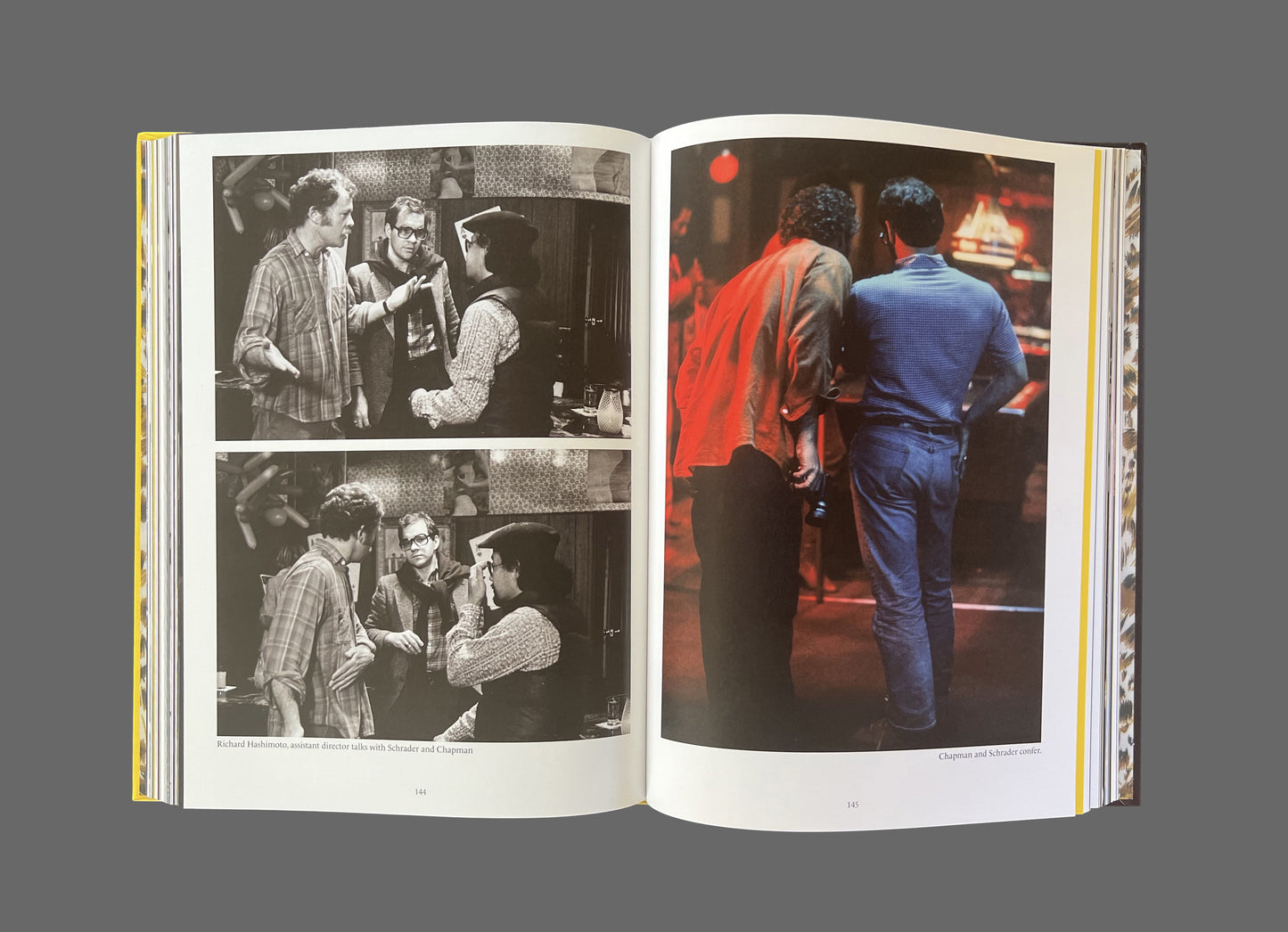
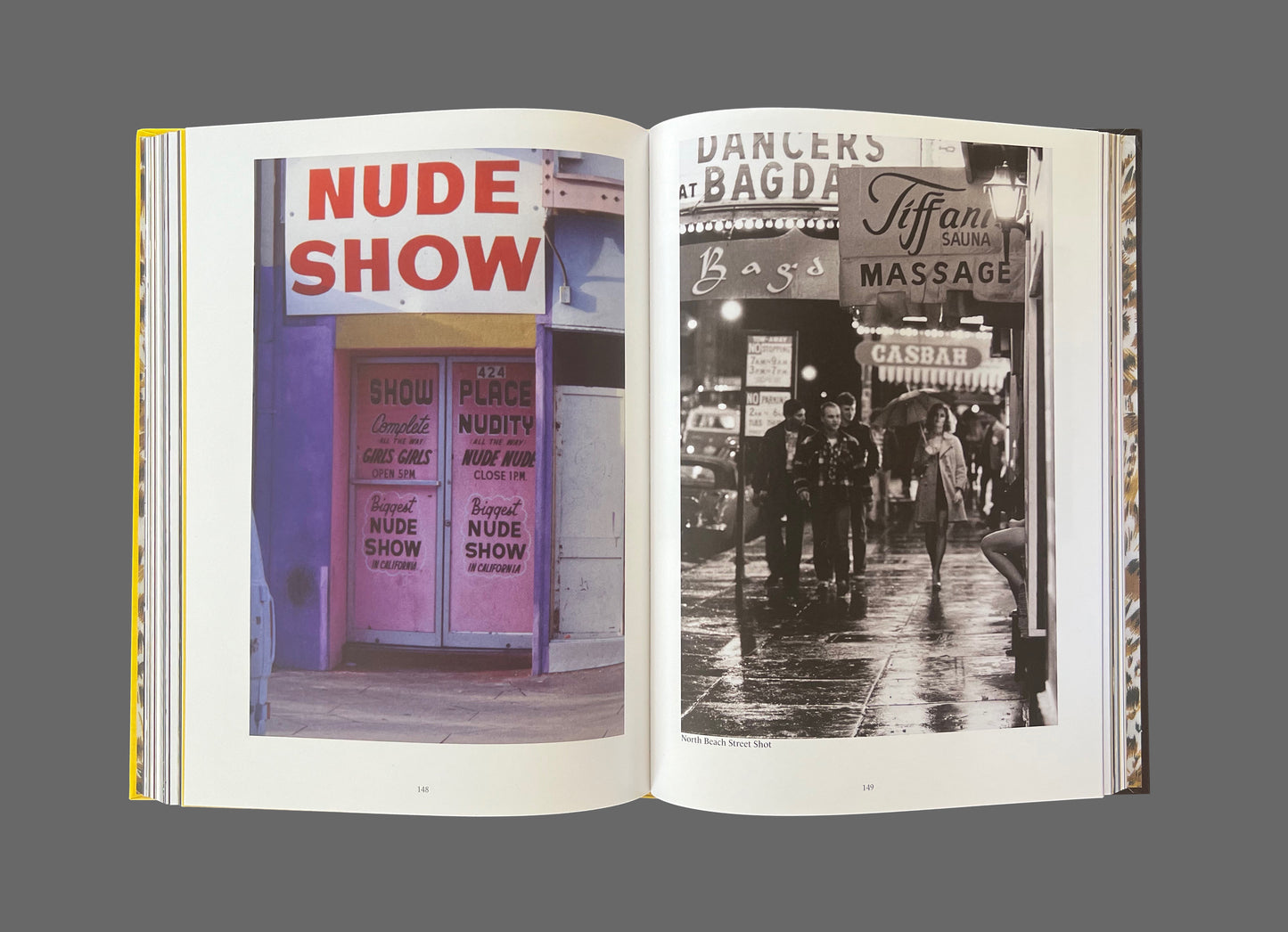
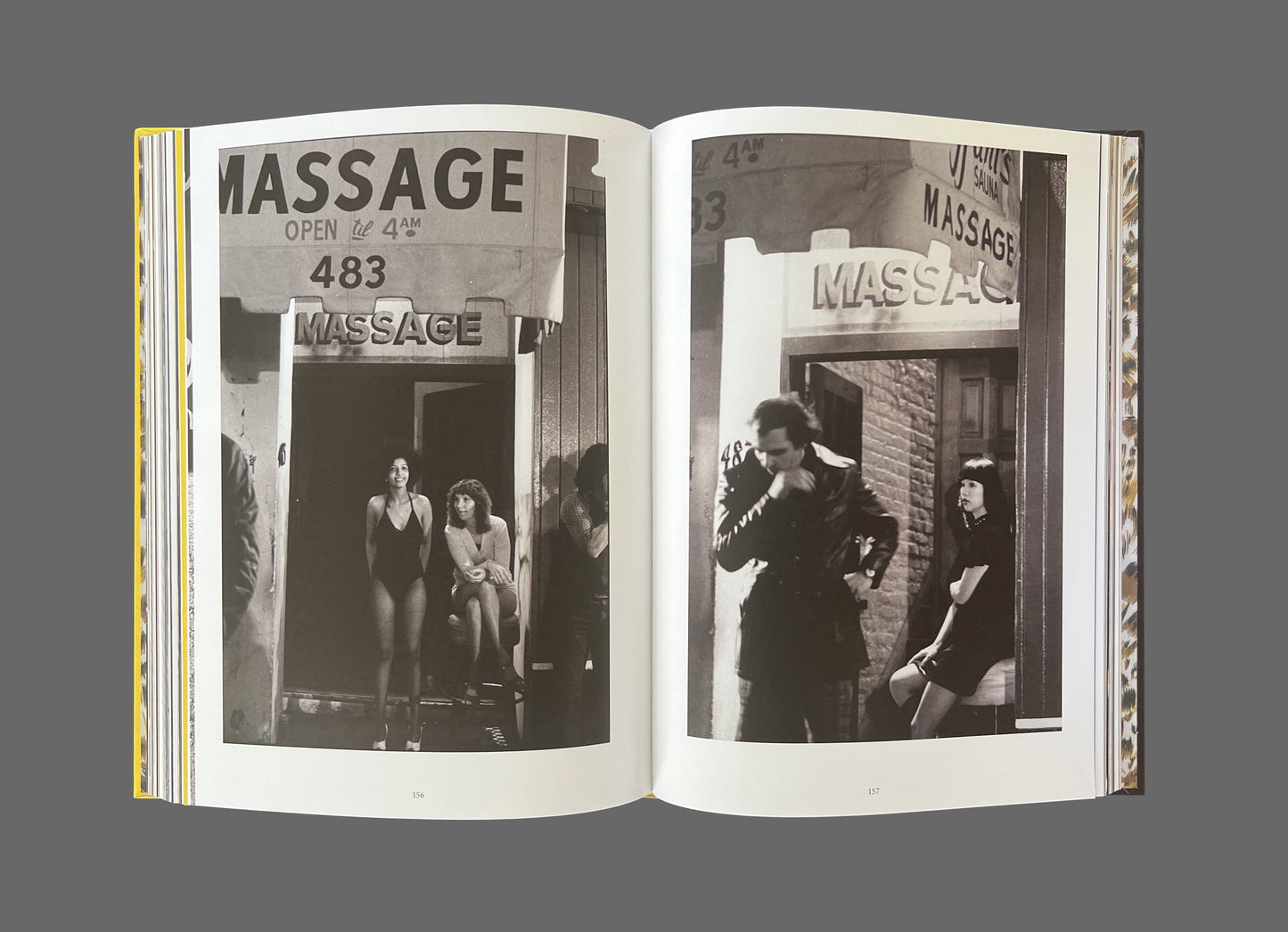
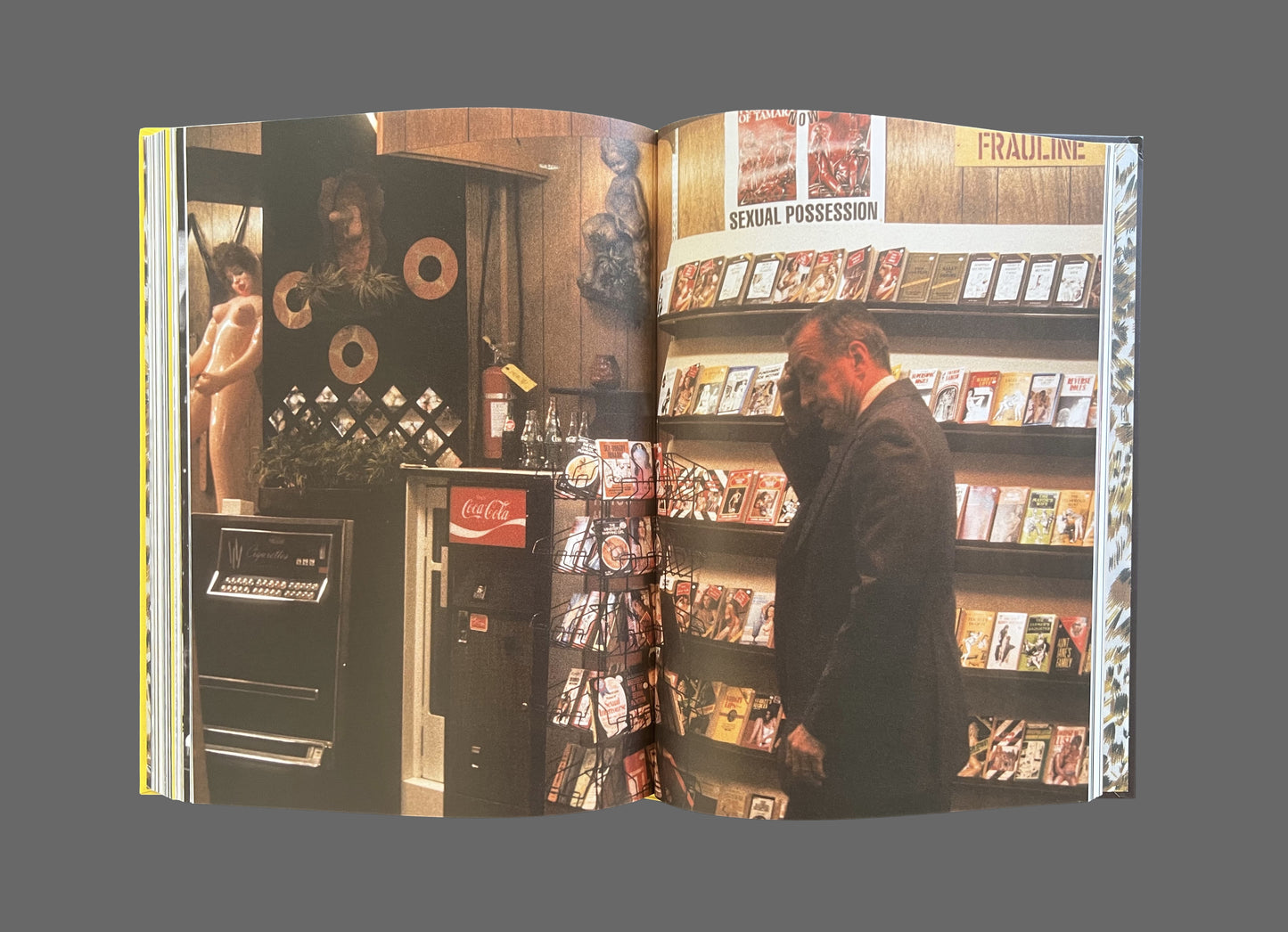
8.5" x 11.25" 224 Pages Hardcover Full Color Offset ISBN: 9791096037353 Published by Timeless Editions First Edition
Description via Timeless Editions:
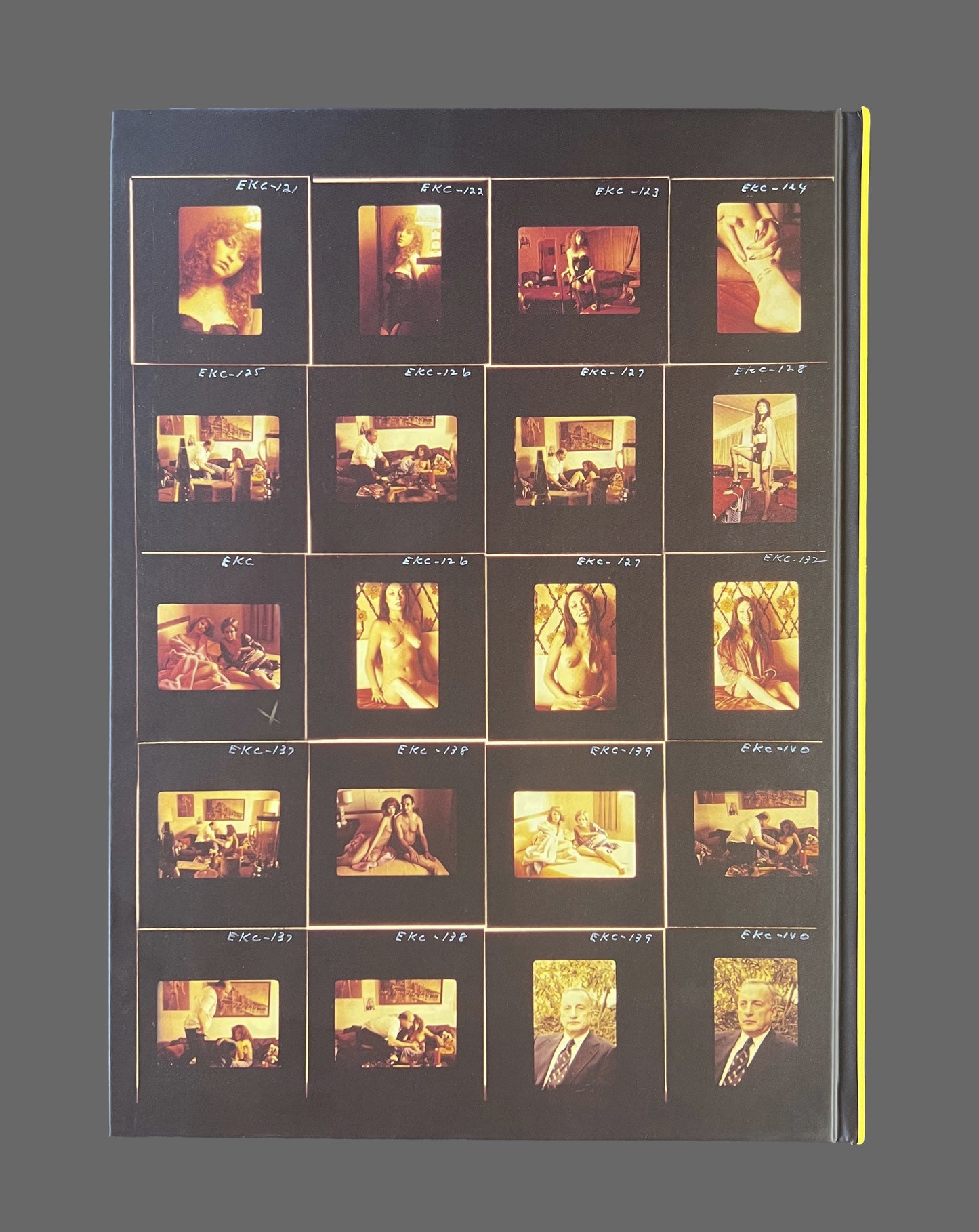
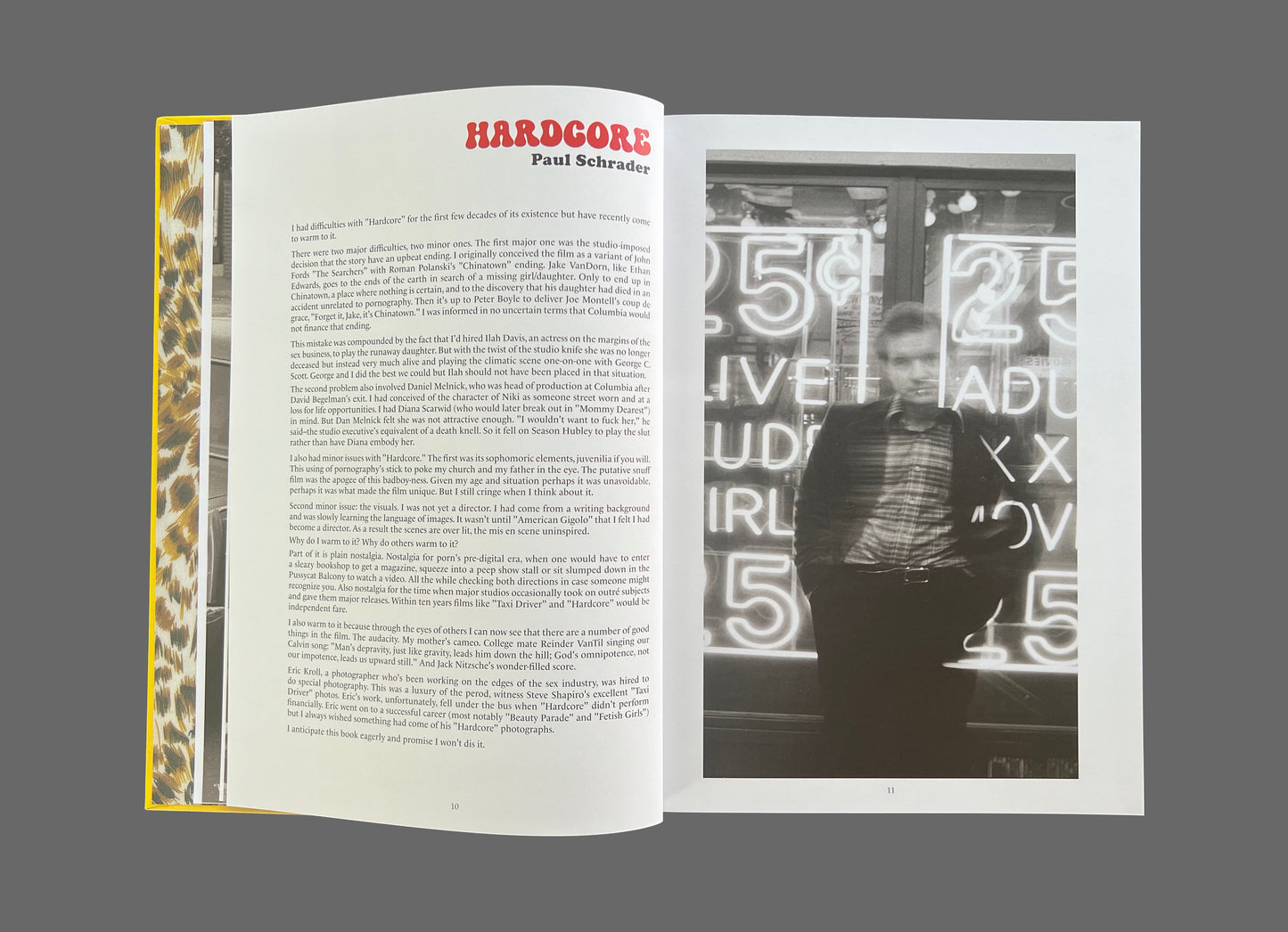
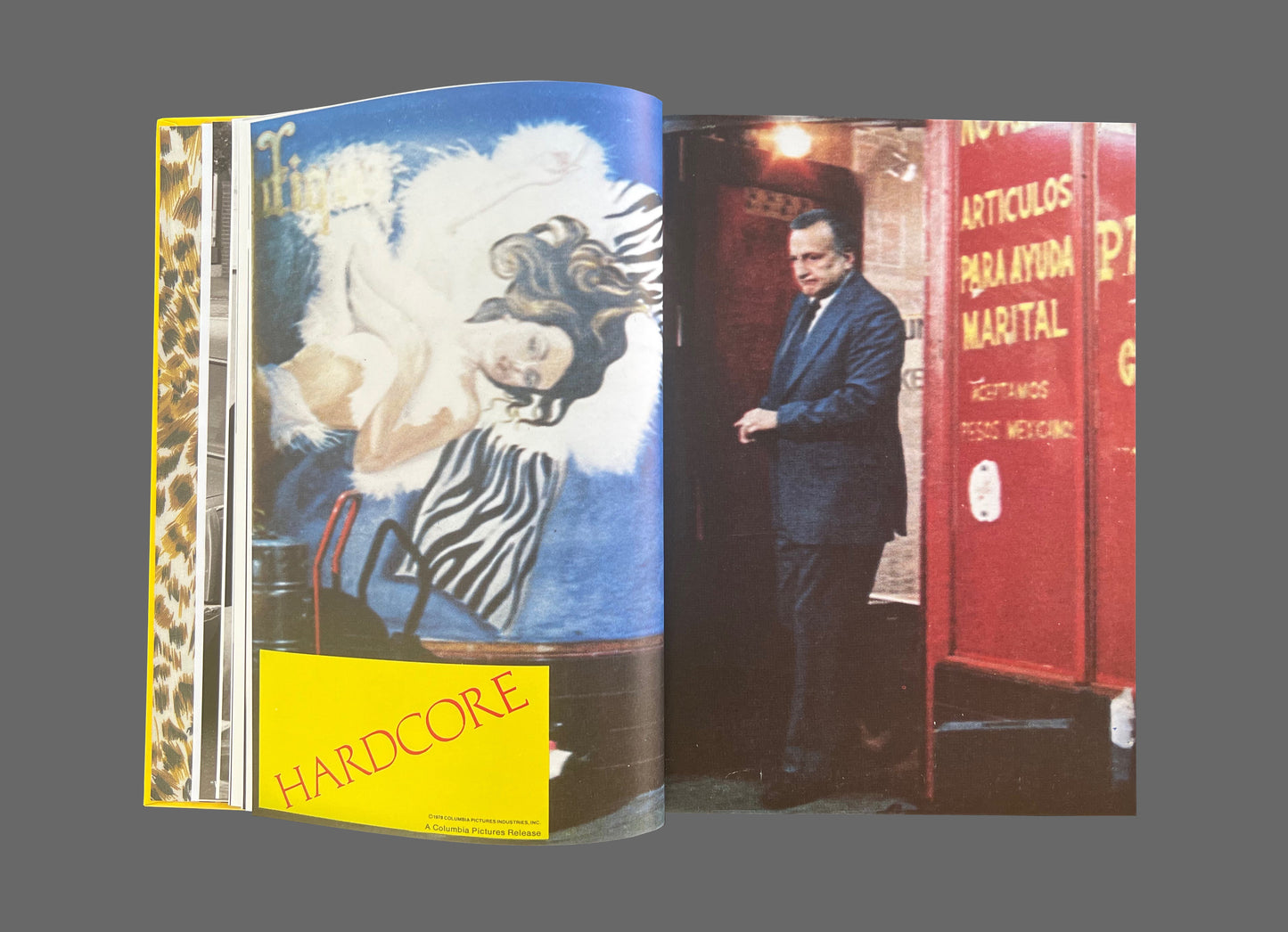
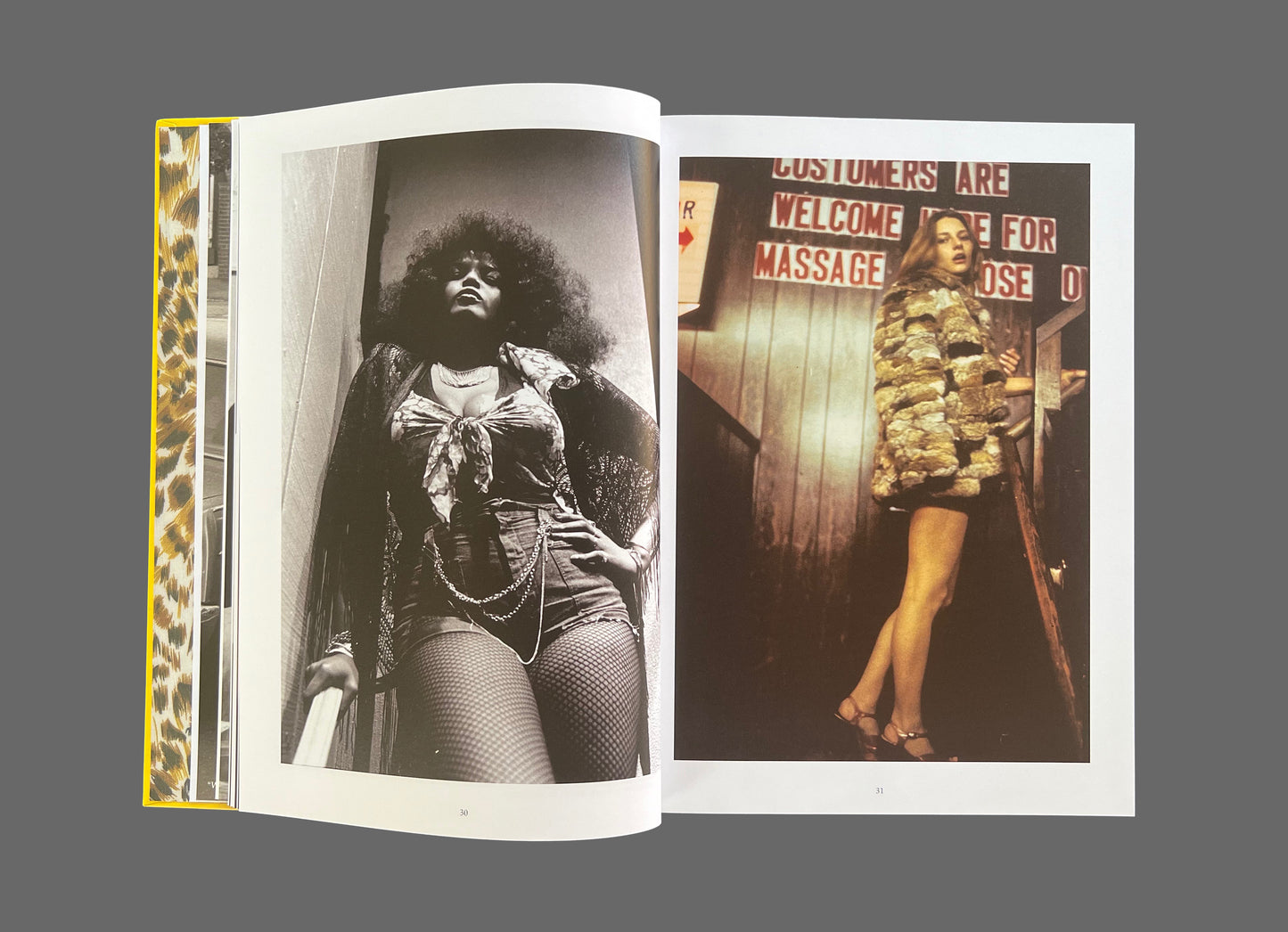
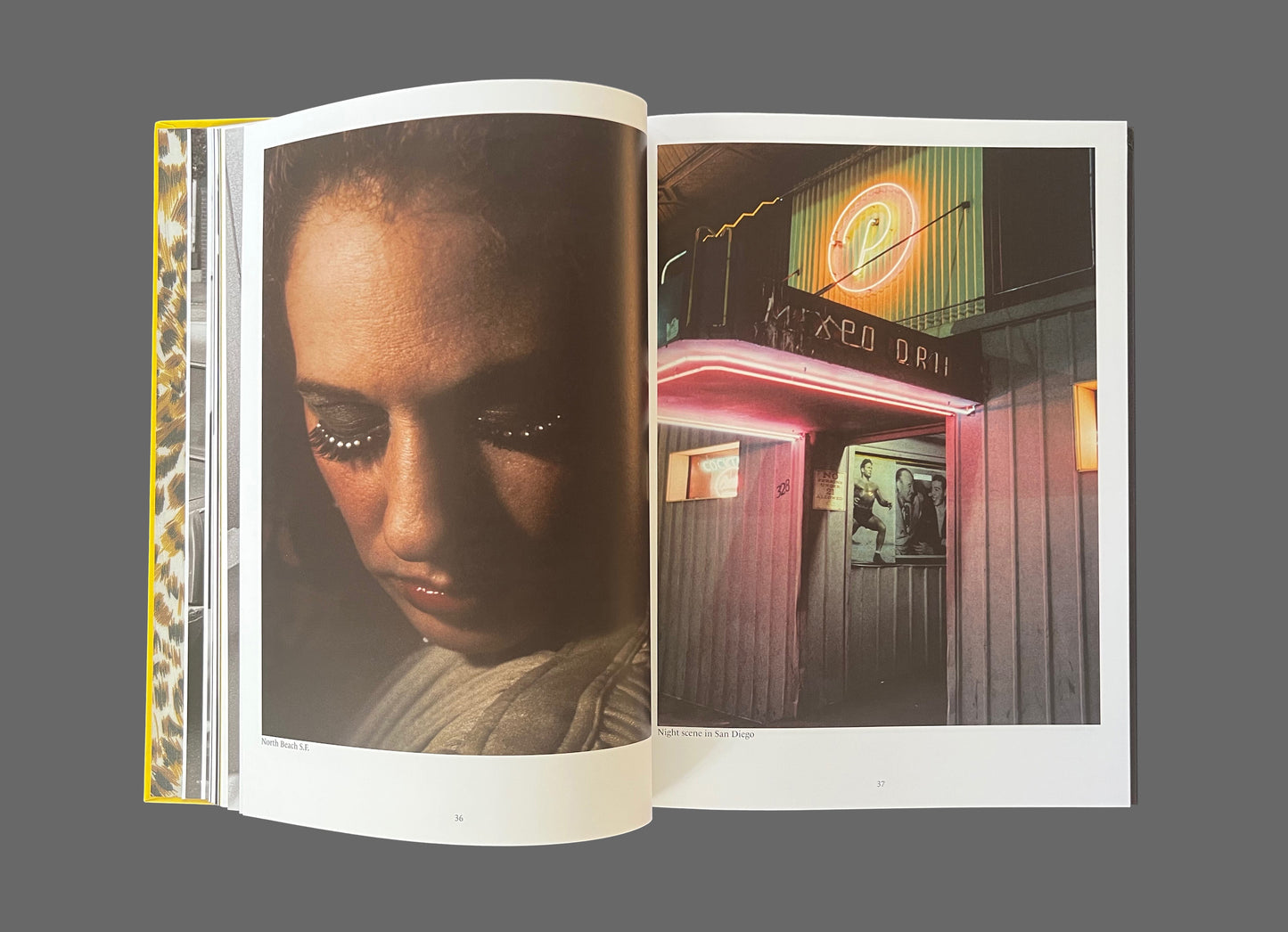
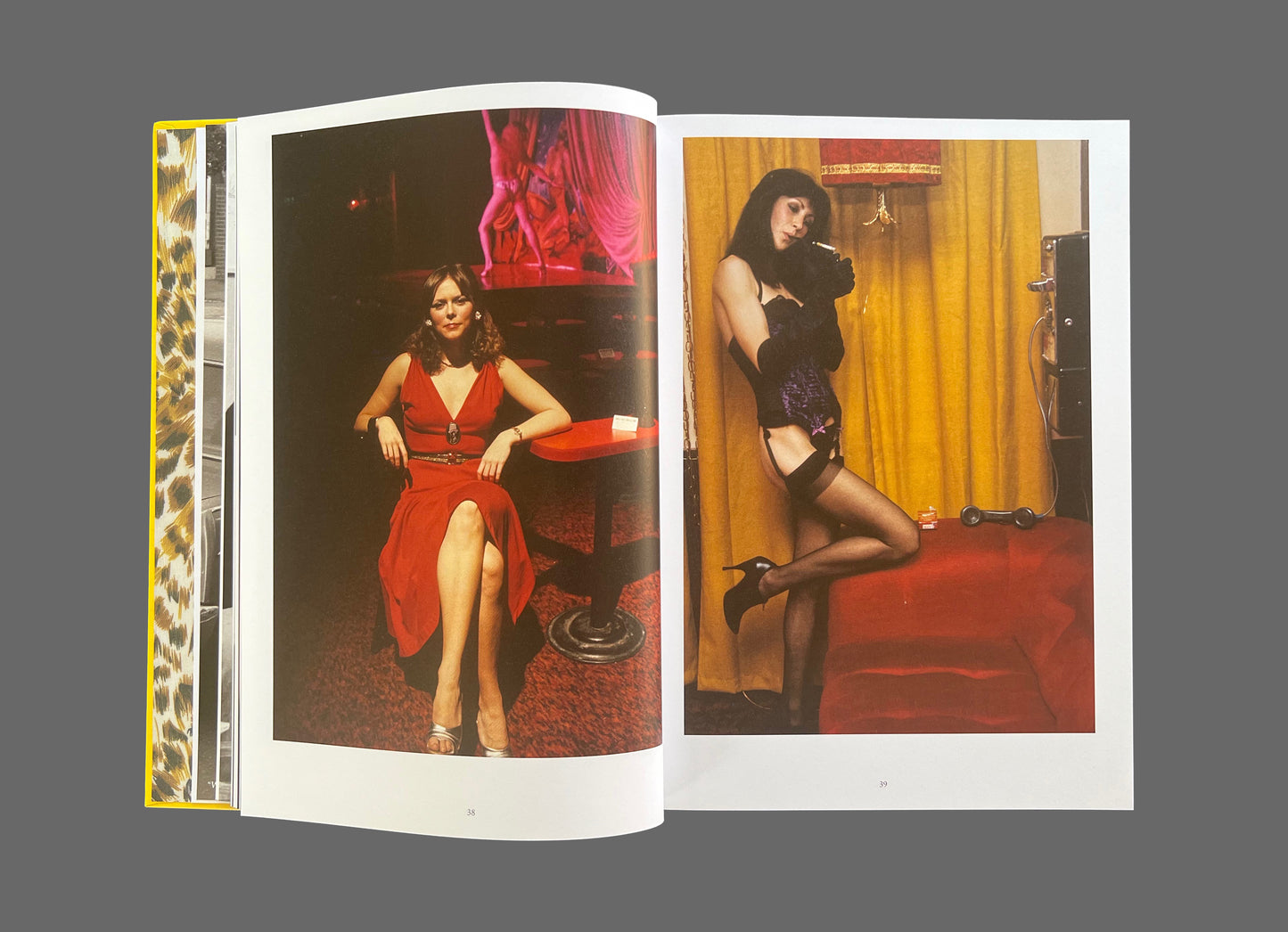
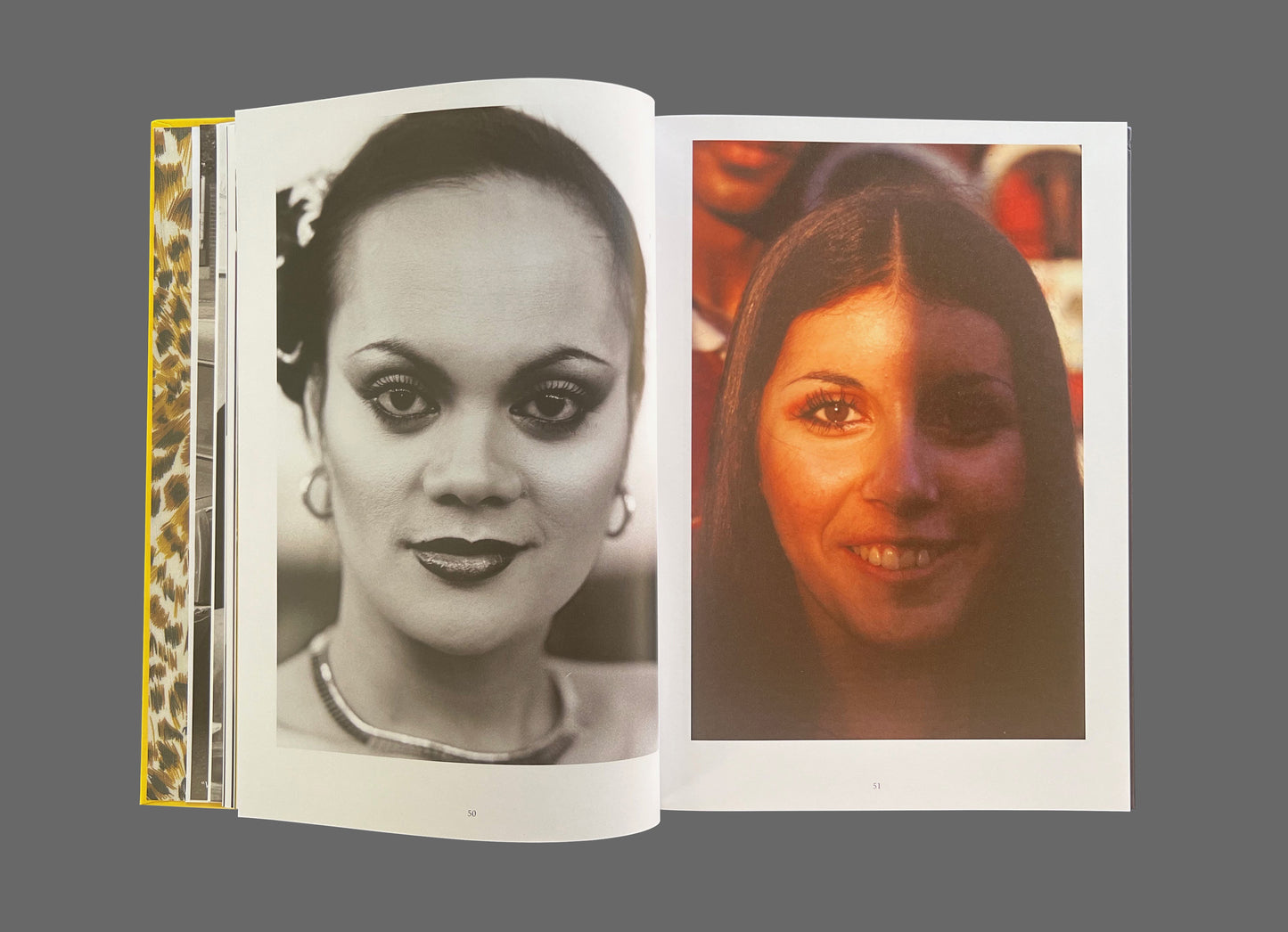
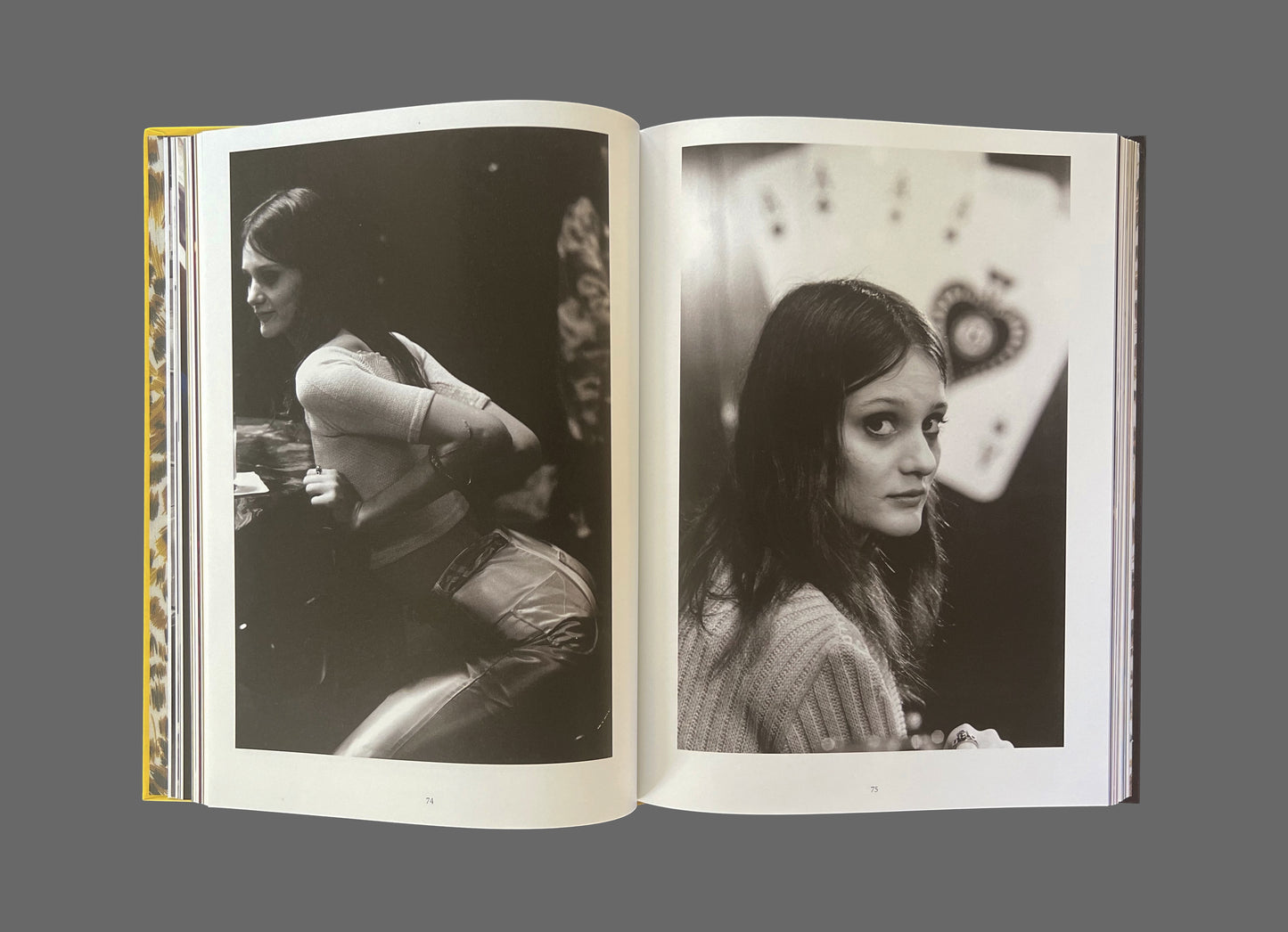
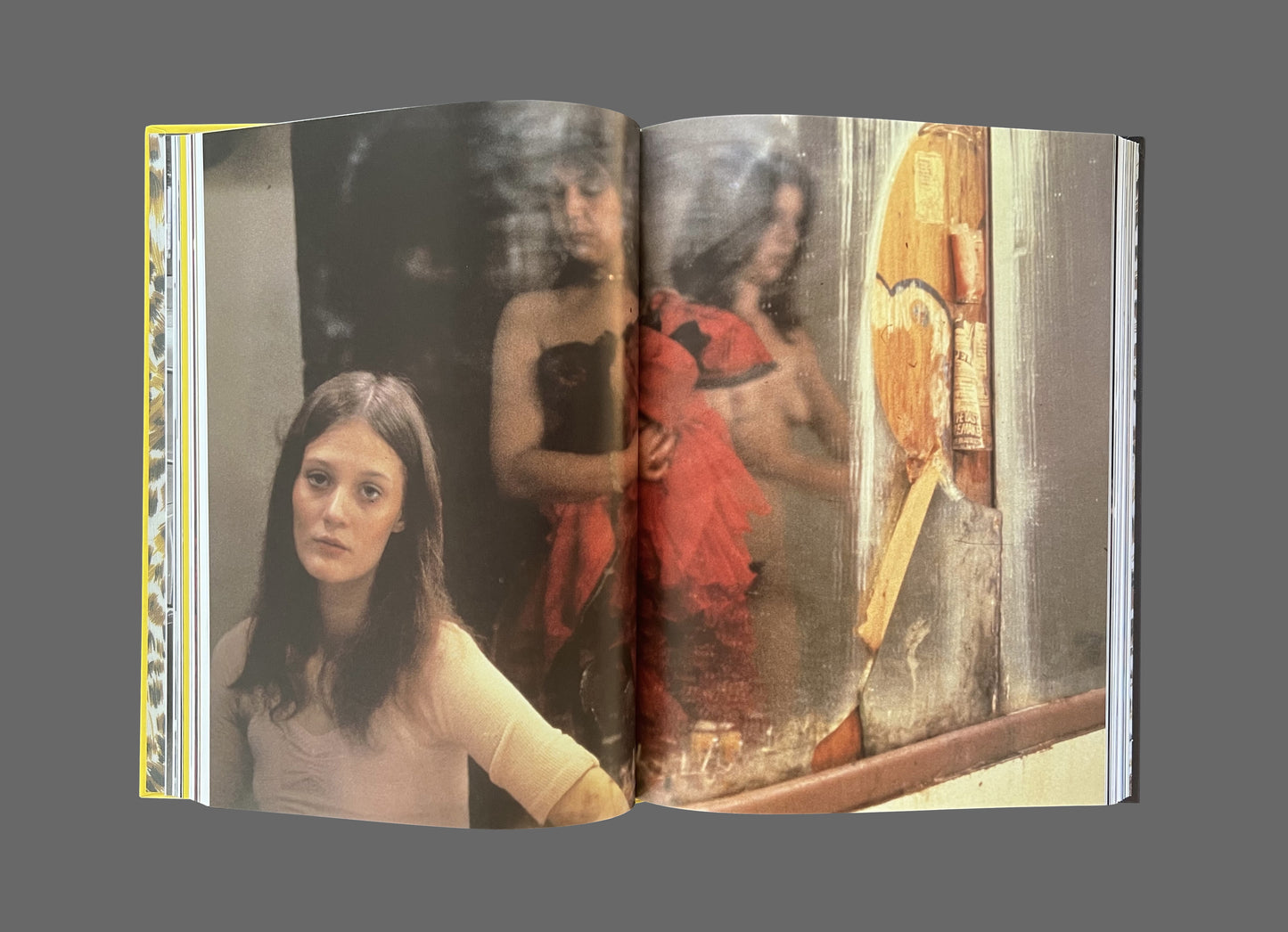
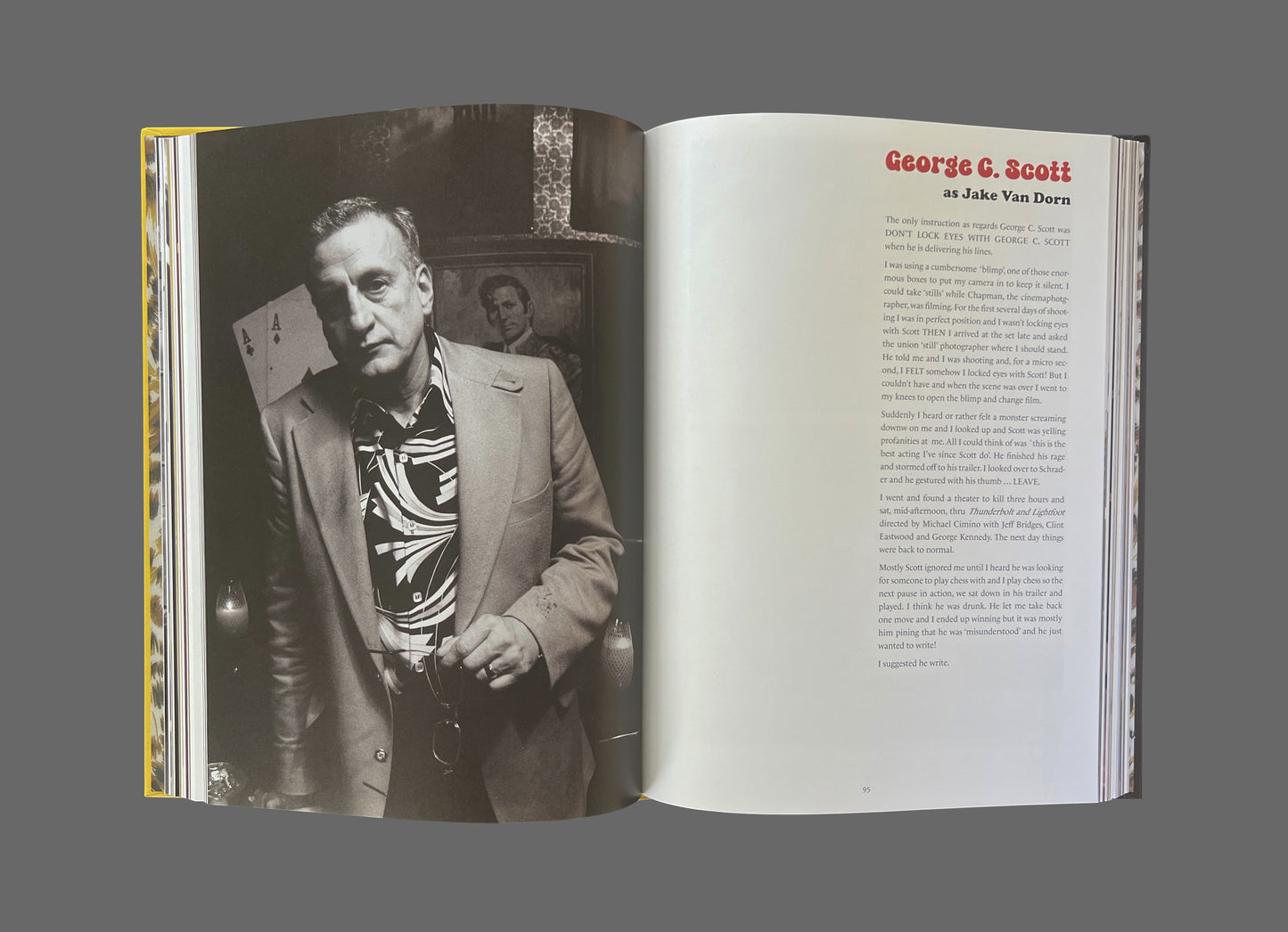
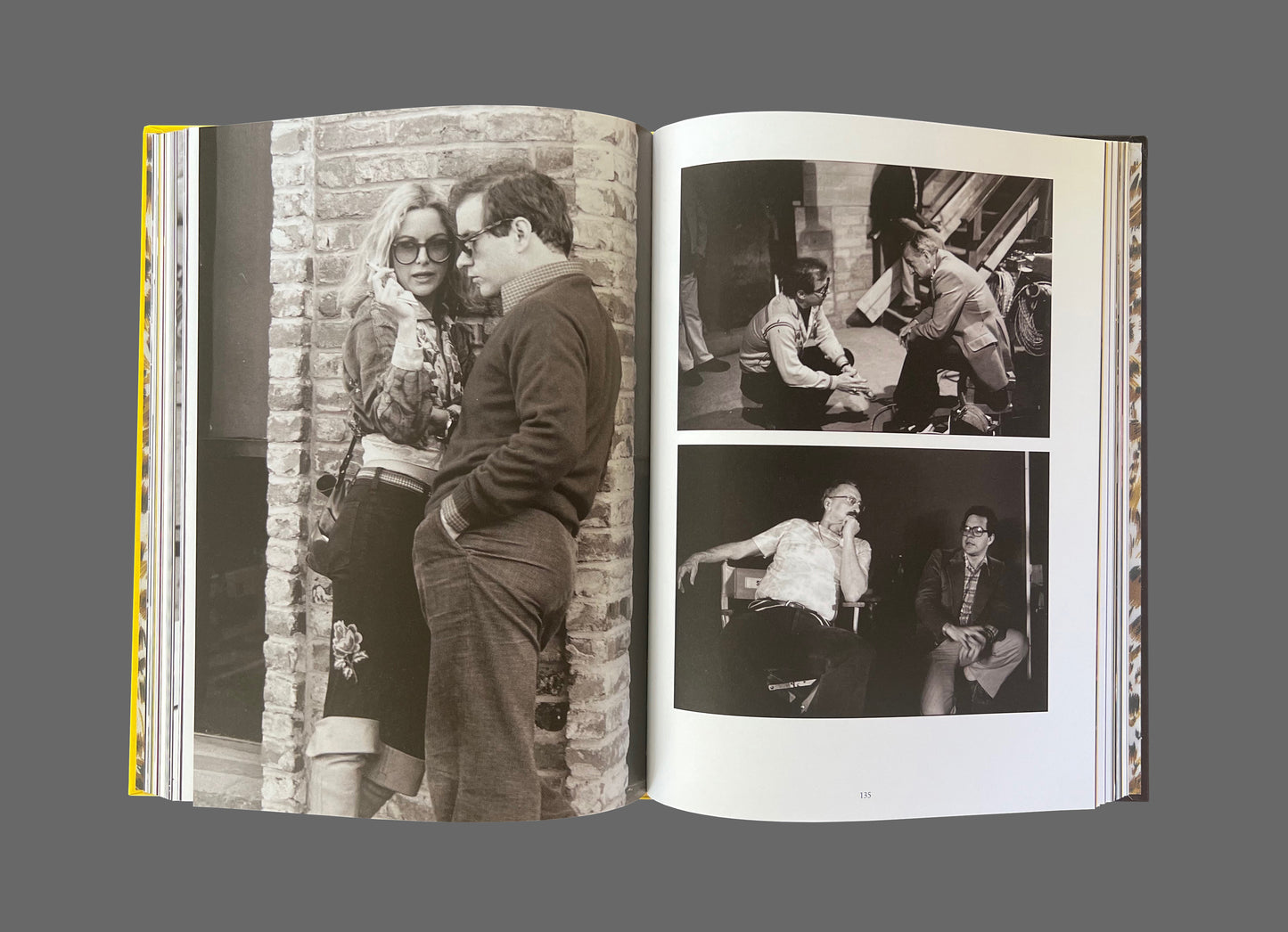
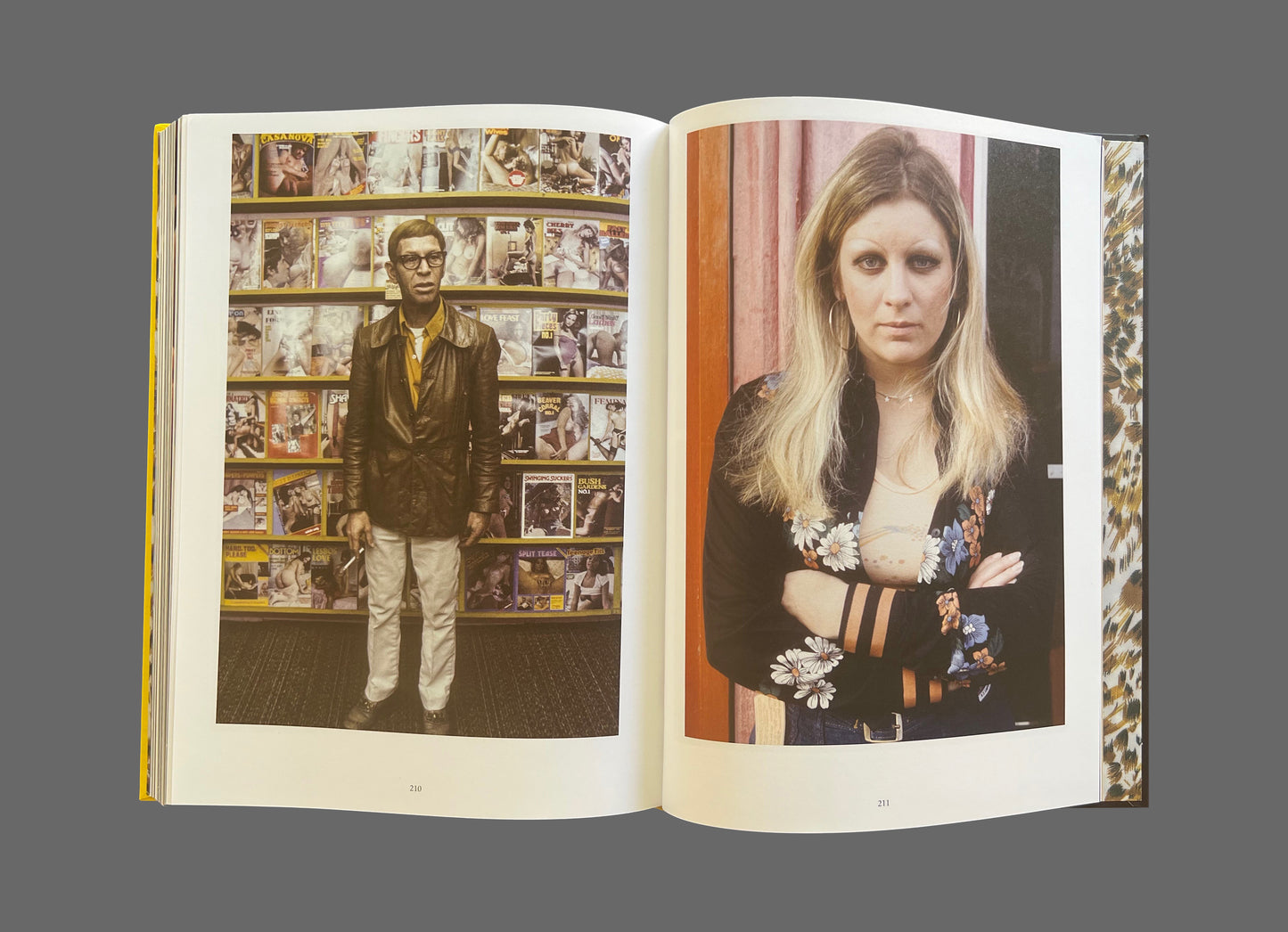
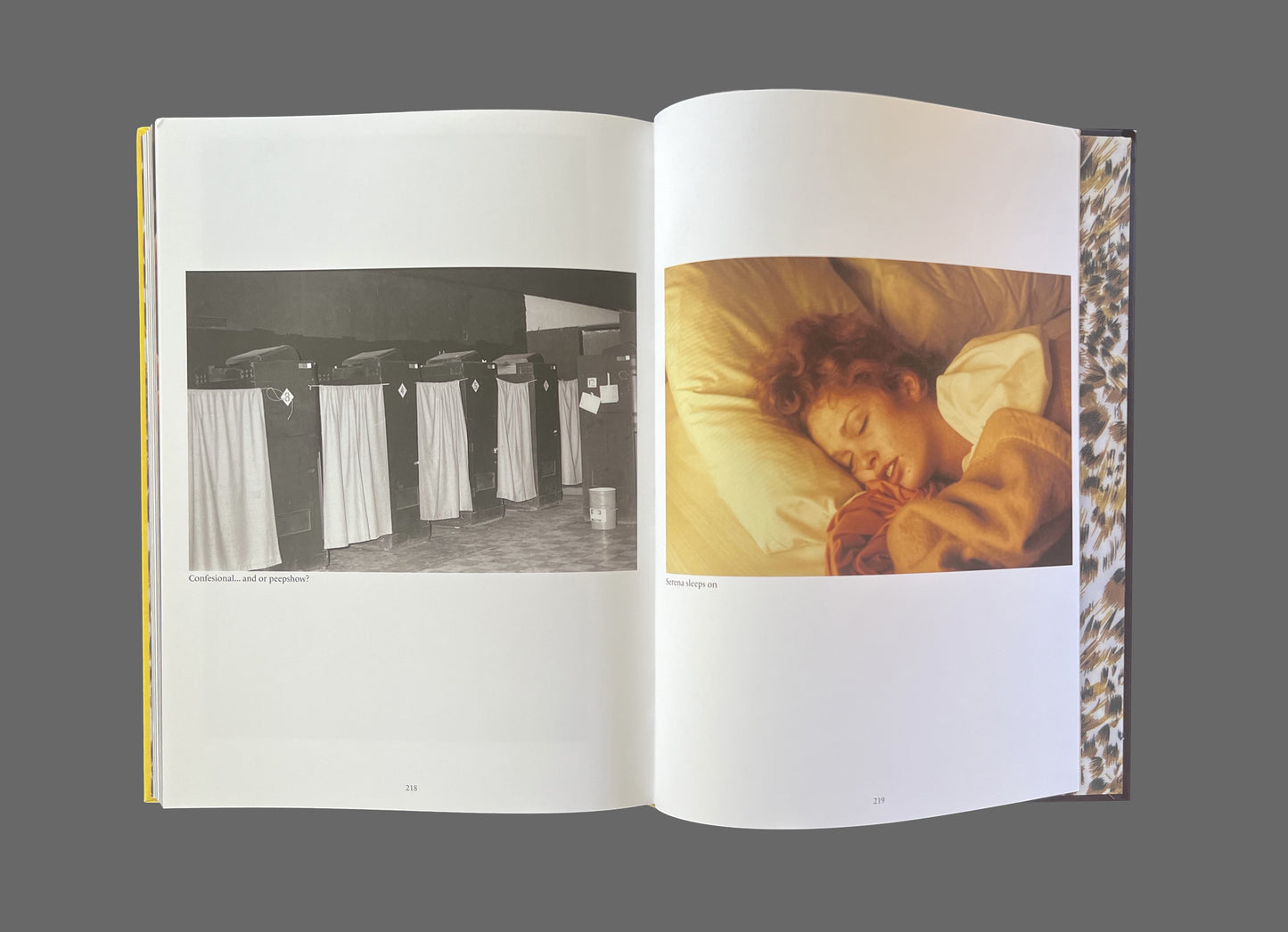
Timeless Edition is thrilled to announce the publication of HARDCORE, a striking new photobook by Eric Kroll, featuring rare and intimate photographs taken during the shooting of Paul Schrader’s cult 1979 film — and much more beyond.
This book takes you deep into the world behind the camera: the set, the atmosphere, and the many individuals — technicians, casting director, actors and non-actors alike — who accompanied or inspired Kroll throughout the shoot.
More than a simple behind-the-scenes document, HARDCORE also includes the photographer’s own reflections, commentary and a recent interview he conducted with adult film actress Serena.
The book is also accompanied by a foreword from Paul Schrader and a rare text he penned in 1978 for a publishing project about the film that was never completed.
Together, these elements reveal a deeply personal and unexpectedly intimate perspective on the film and on the porn film industry at the end of the 1970s.
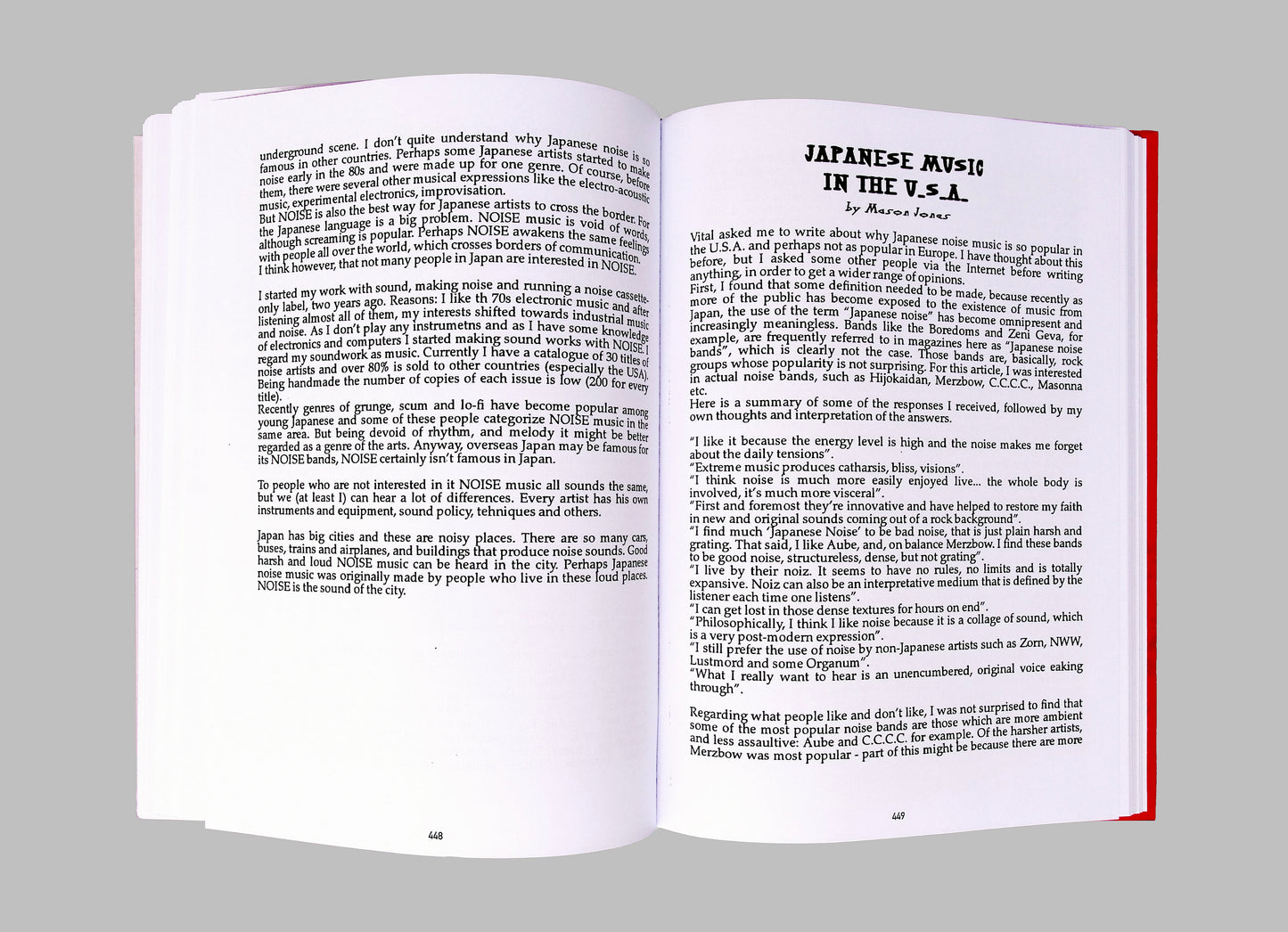
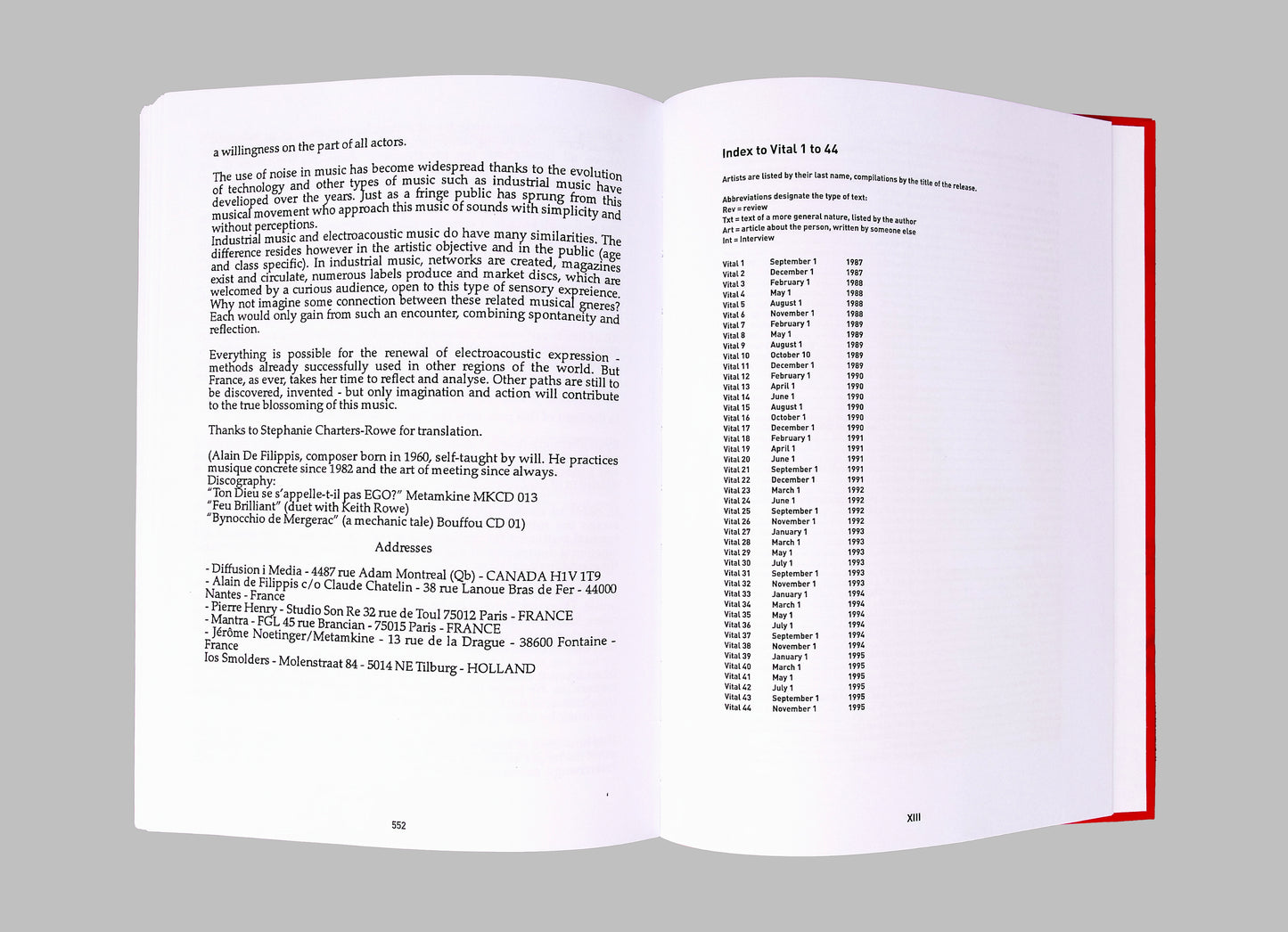
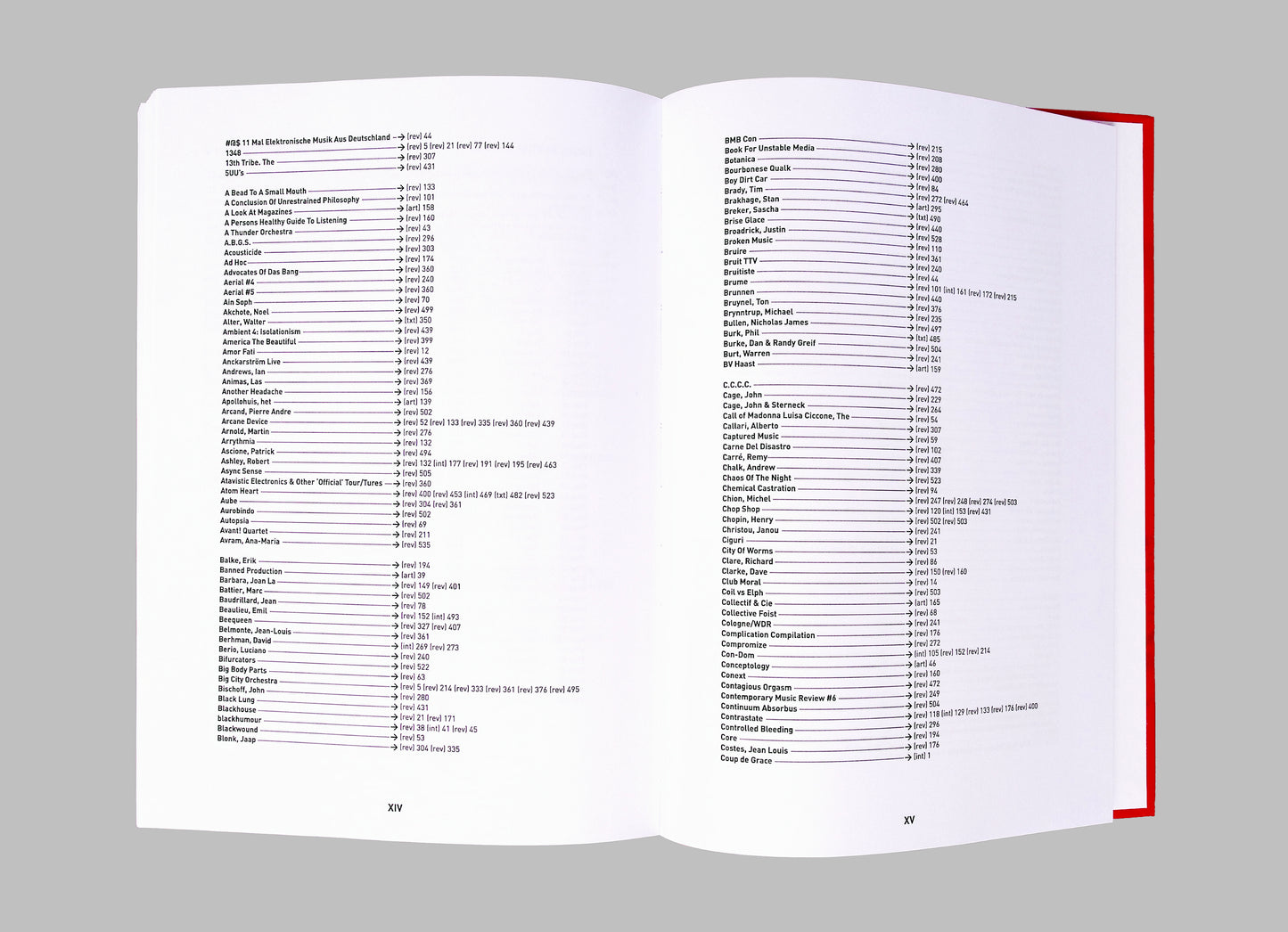
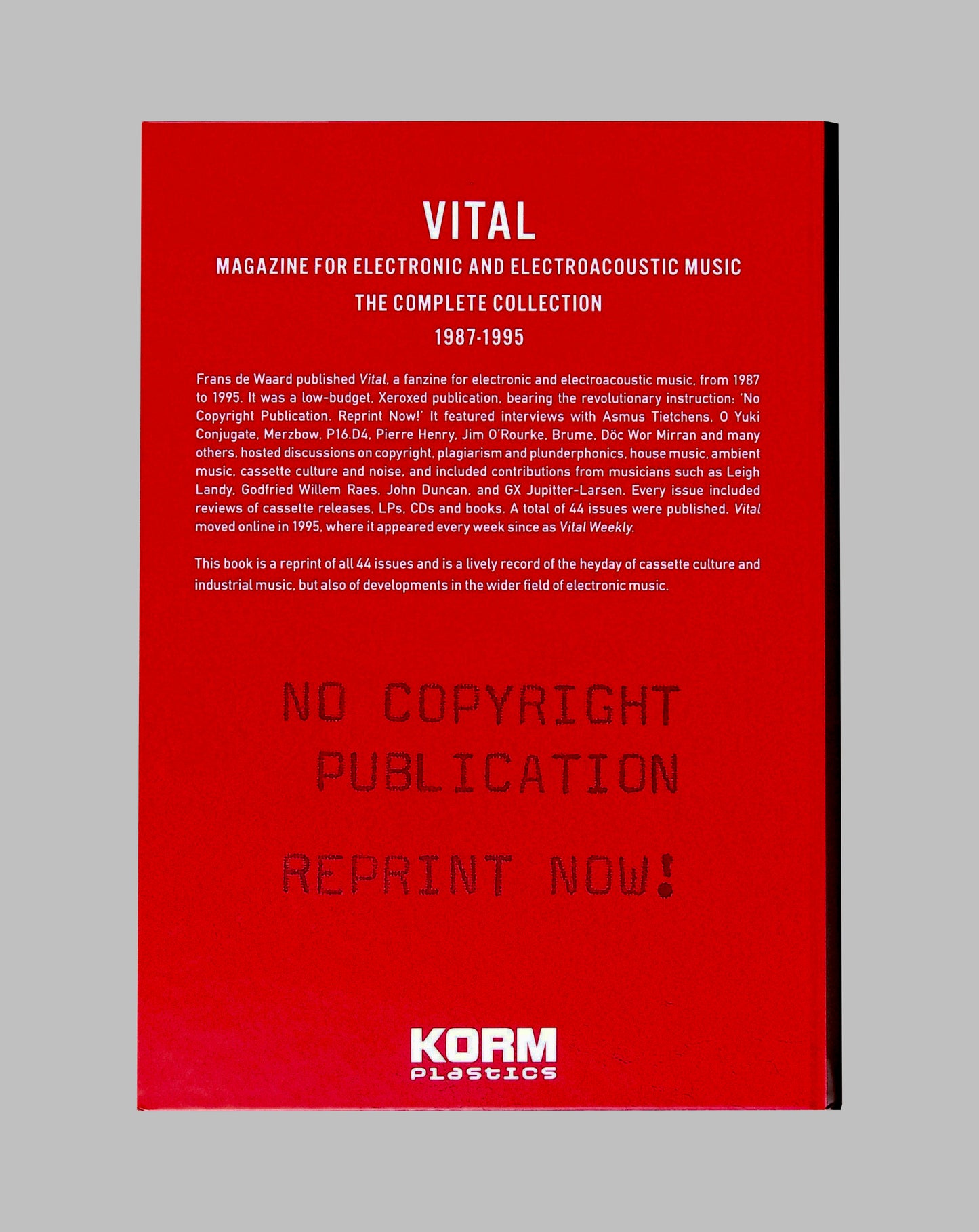
7" x 9.75" 580 pages Hardcover B&W Offset Published by Korm Plastics ISBN: 9789059398634
Description via Korm Plastics:
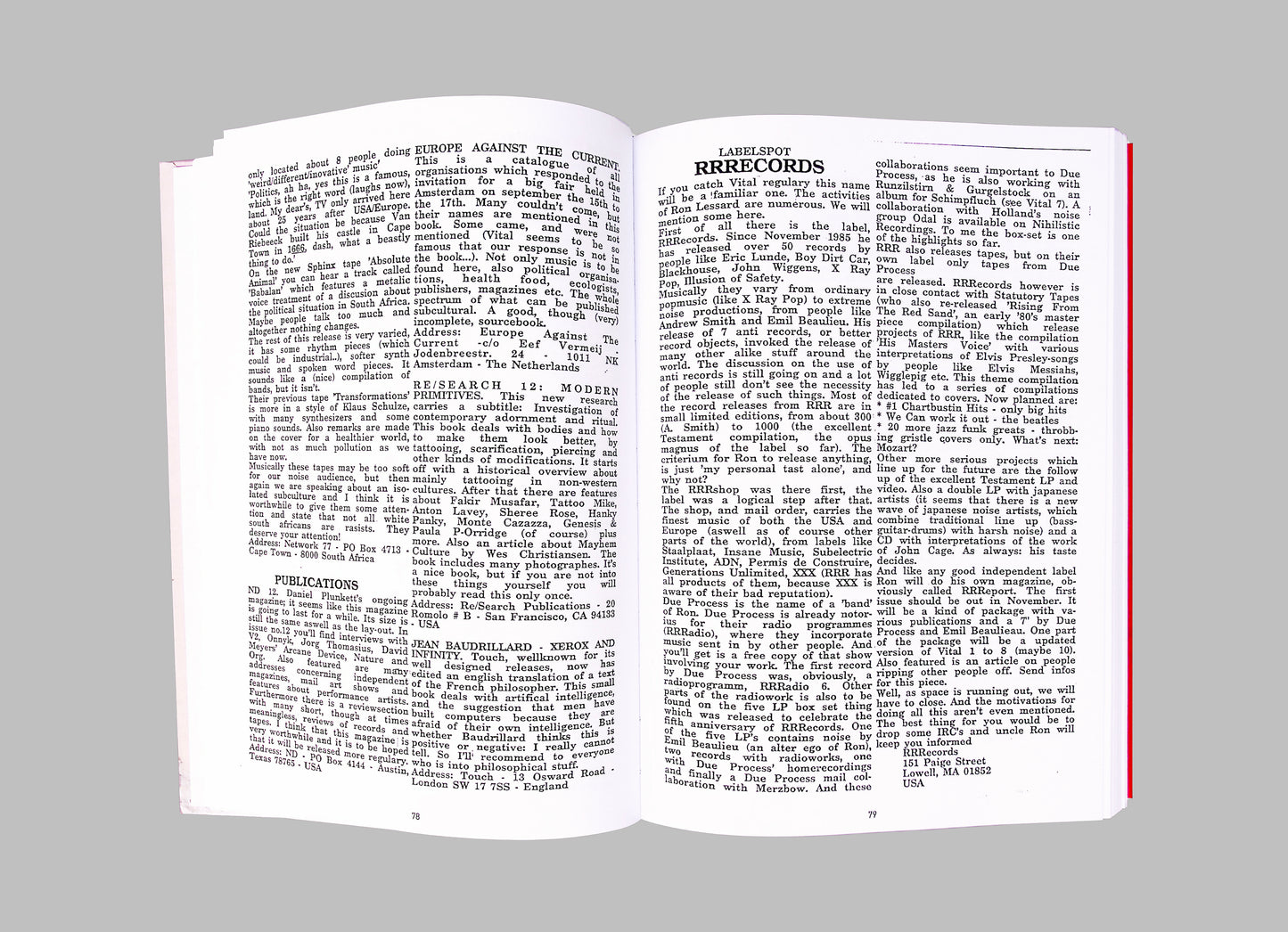
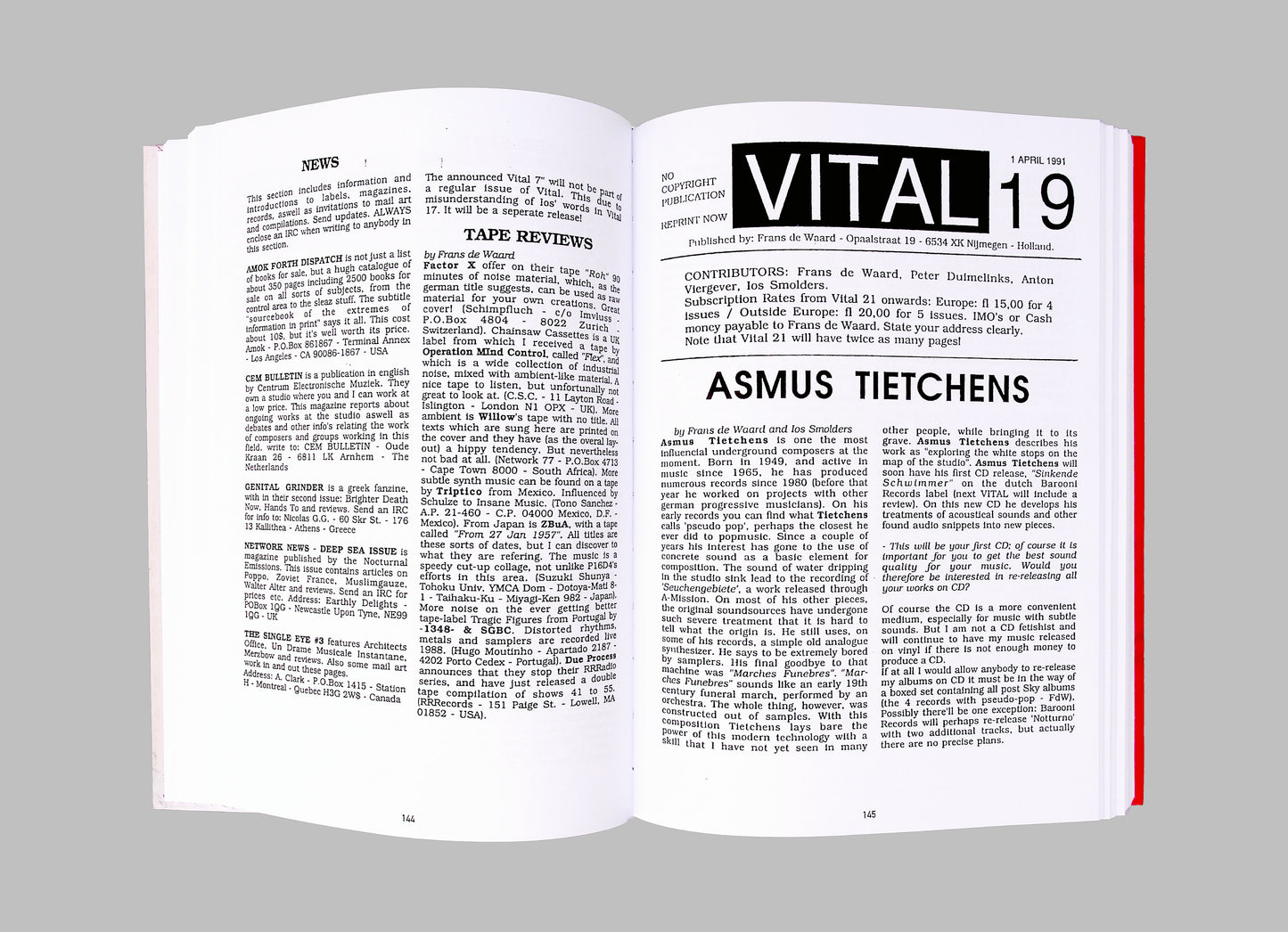
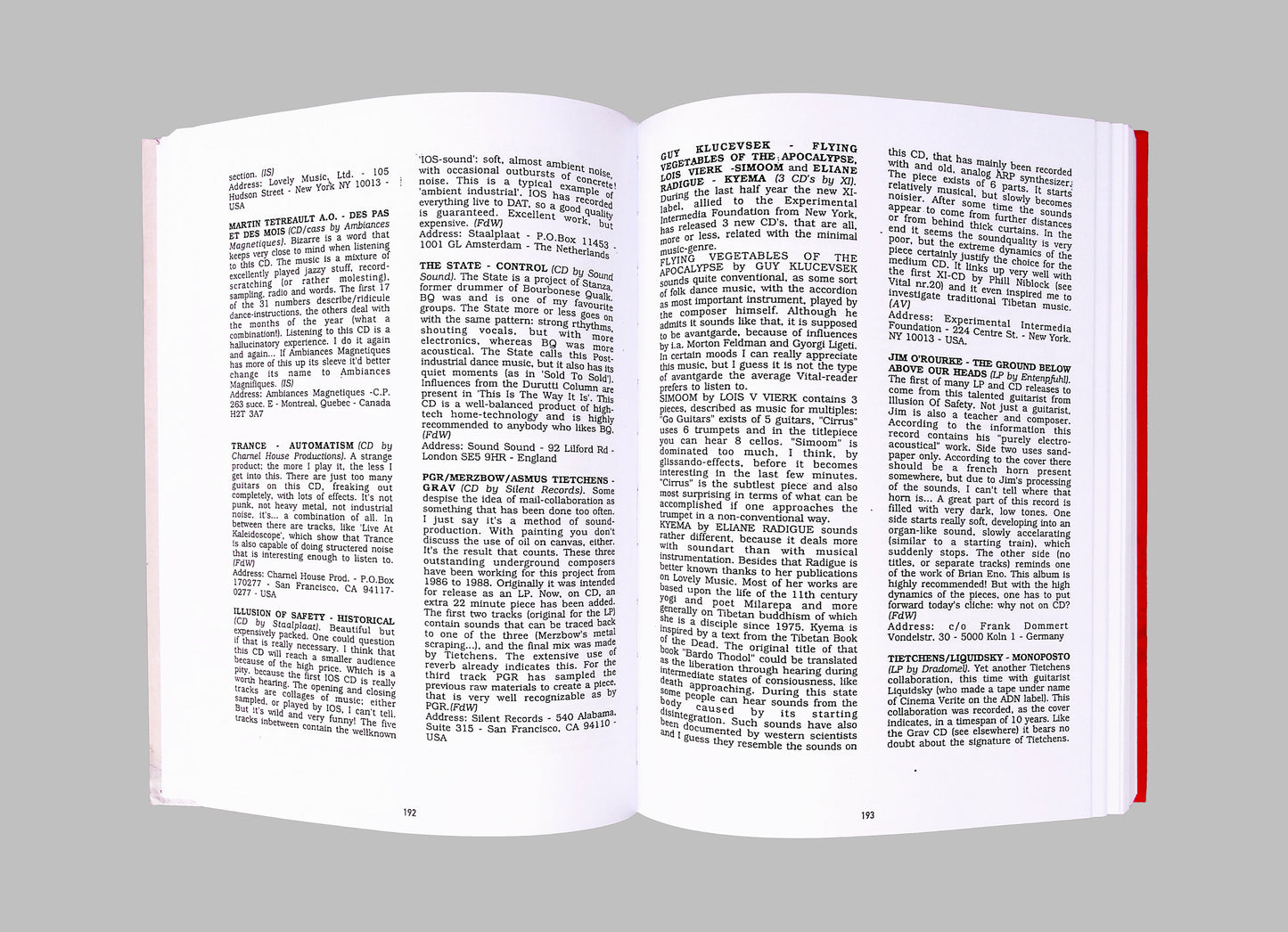
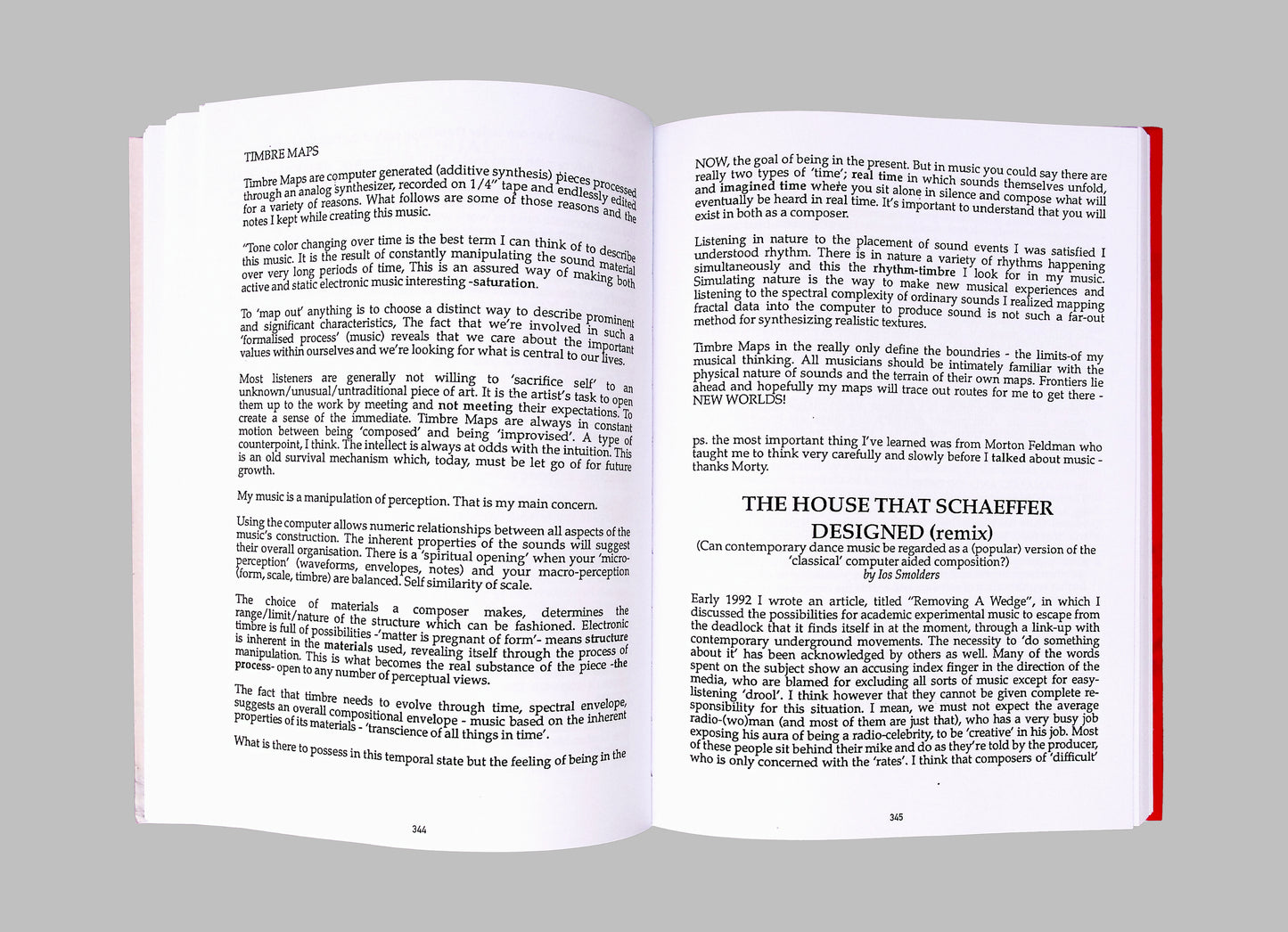
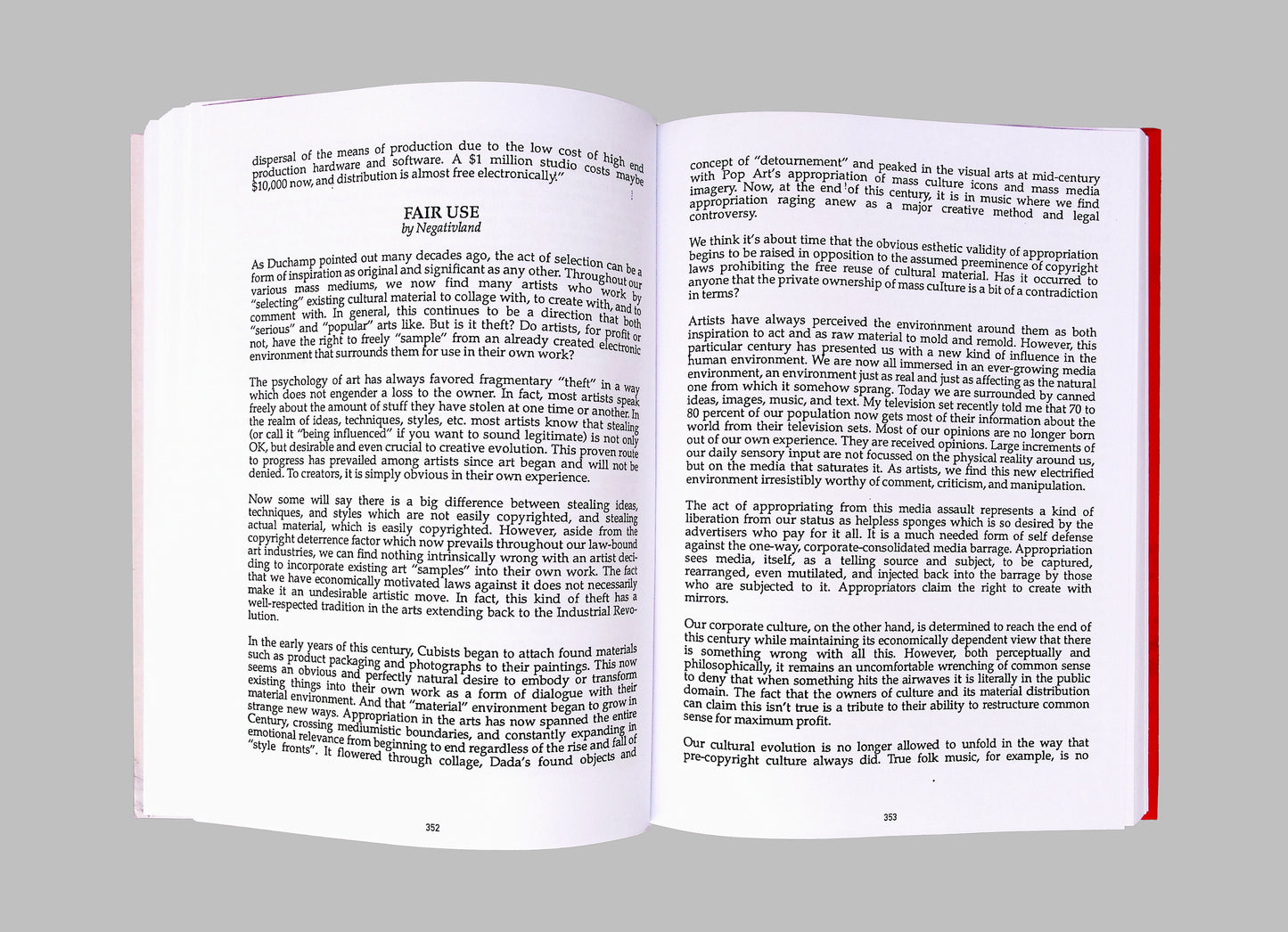
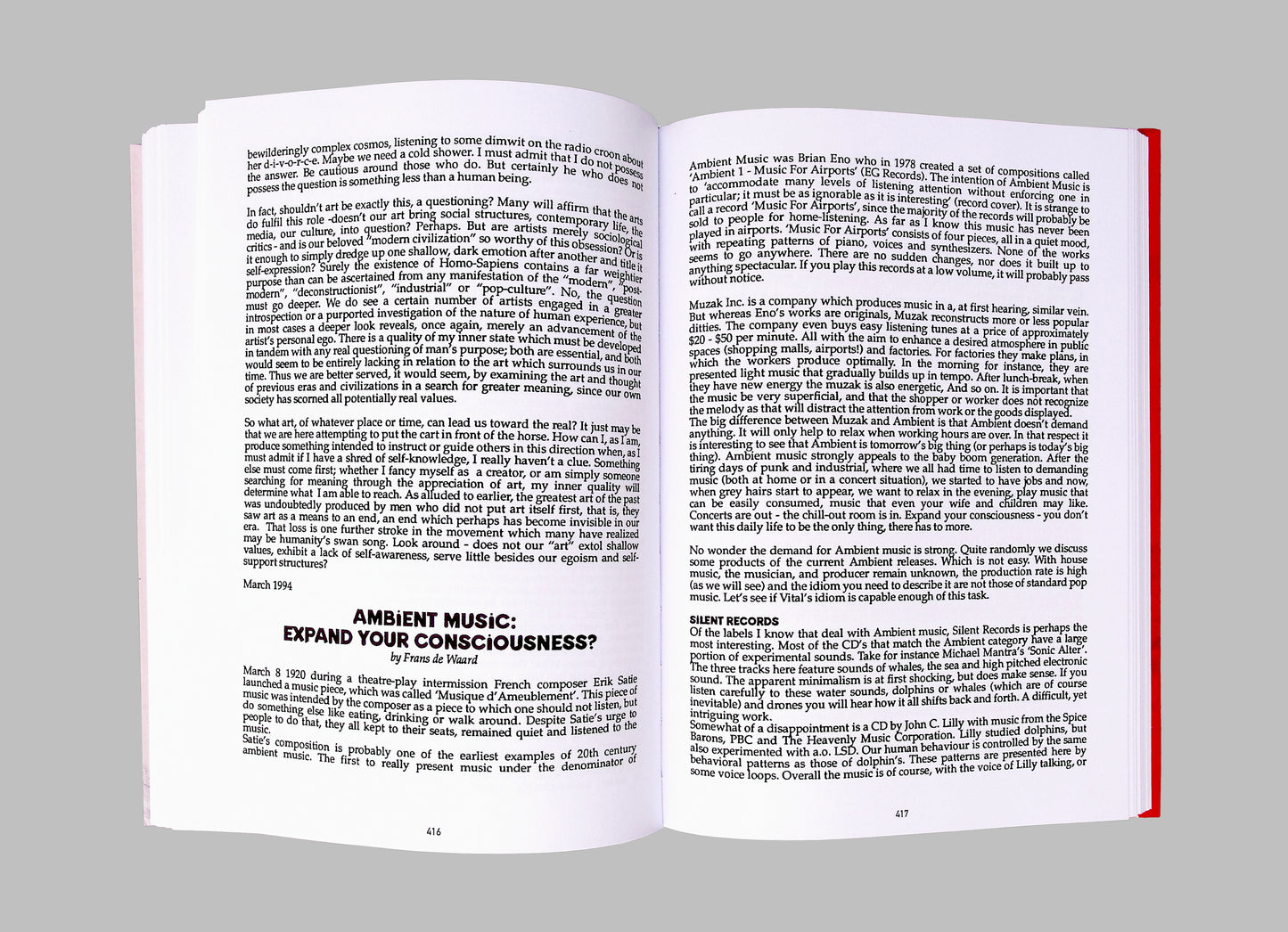
Frans de Waard published Vital, a fanzine for electronic and electroacoustic music, from 1987 to 1995. It was a low-budget, Xeroxed publication, bearing the revolutionary instruction: ‘No Copyright Publication. Reprint Now!’ It featured interviews with Asmus Tietchens, O Yuki Conjugate, Merzbow, P16.D4, Pierre Henry, Jim O’Rourke, Brume, Döc Wor Mirran and many others, hosted discussions on copyright, plagiarism and plunderphonics, house music, ambient music, cassette culture and noise, and included contributions from musicians such as Leigh Landy, Godfried Willem Raes, John Duncan, and GX Jupitter-Larsen. Every issue included reviews of cassette releases, LPs, CDs and books. A total of 44 issues were published. Vital moved online in 1995, where it appeared every week since as Vital Weekly.
This book is a reprint of all 44 issues and is a lively record of the heyday of cassette culture and industrial music, but also of developments in the wider field of electronic music.
6 3/4" x 9 1/2" 144 pages Paperback B&W Published by Korm Plastics
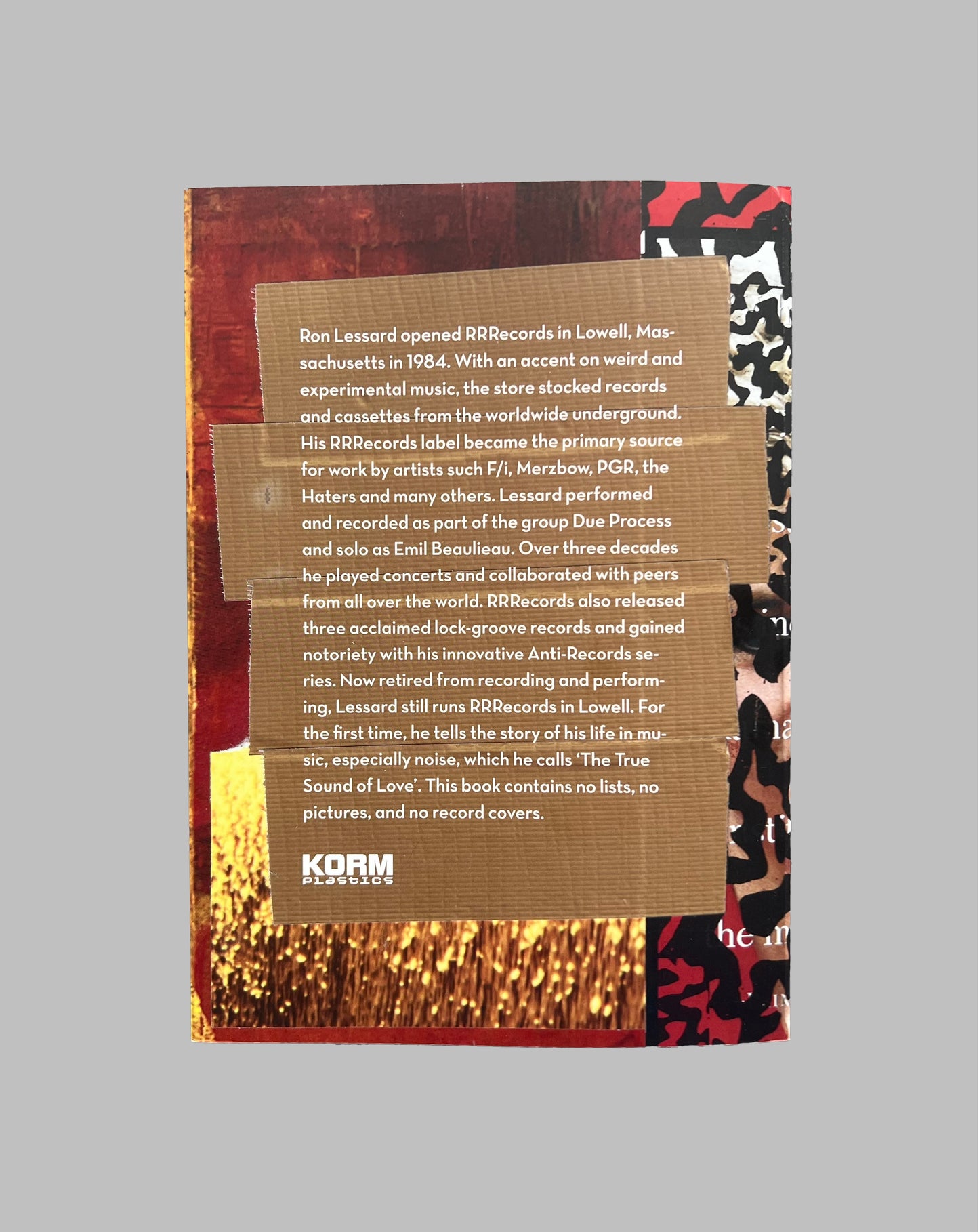
‘America’s Greatest Noise’ tells the story of Ron Lessard, owner of RRRecords, a record store in Lowell, Massachusetts and, from 1986 to 2009, a record label, releasing the albums of Blackhouse, F/i, PGR, the first Merzbow LP outside Japan and many more, regional compilations, three widely acclaimed lock groove records and a series of anti-records, records with no music but a more conceptual and visual edge. RRRecords is also responsible for the RRRecycled Music series, which has over 300 releases on re-purposed cassettes.
Ron Lessard played music with his group Due Process and solo as Emil Beaulieau. Up until his retirement from the noise scene in 2006, he played many concerts and released a string of cassettes, LPs, and CDs. During his concerts, Lessard dressed up like a businessman and used a four-armed turntable, dubbed the Minutoli, and his performances were comical.
In this book, he tells for the first time his story in music about the highs and lows of running a label and a record store, weird projects, unfinished projects, encounters with other musicians, being on the road, and much more. Also included are two appendices: one with interviews from the past (fanzines and websites) and a chapter from Michael Tau’s ‘Extreme Music’ about the anti-records released by RRRecords.
Images used were sourced from flyers, invitations and fanzines. Introduction by Dominick Fernow (Prurient, Hospital Productions)
6 3/4" x 9 1/2" 425 pages Paperback B&W Published by Korm Plastics
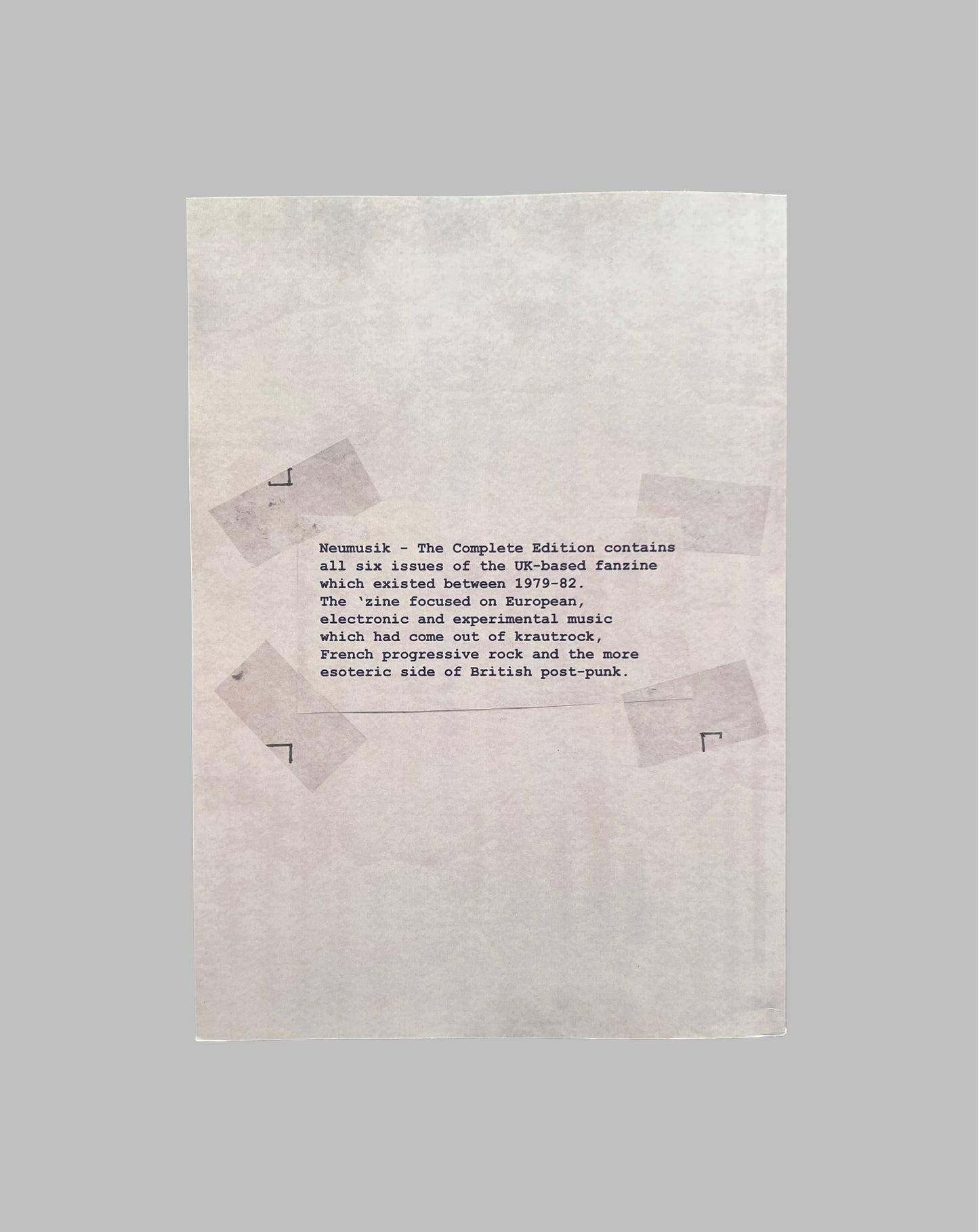
Book containing all six issues of the Neumusik fanzine which David Elliott edited between 1979-82 while at university. The ‘zine focussed on European, electronic and experimental music which had come out of krautrock, French progressive rock and the more esoteric side of British post-punk. David travelled extensively meeting musicians in Germany and France, and for a year was based in Strasbourg. Interviews and articles range from Conrad Schnitzler and Richard Pinhas to Florian Fricke and Chris Carter. Most issues were 60-80 pages long so, together with new text and photos, this compendium weighs in at a chunky 425 pages. It also touches on the parallel YHR label.
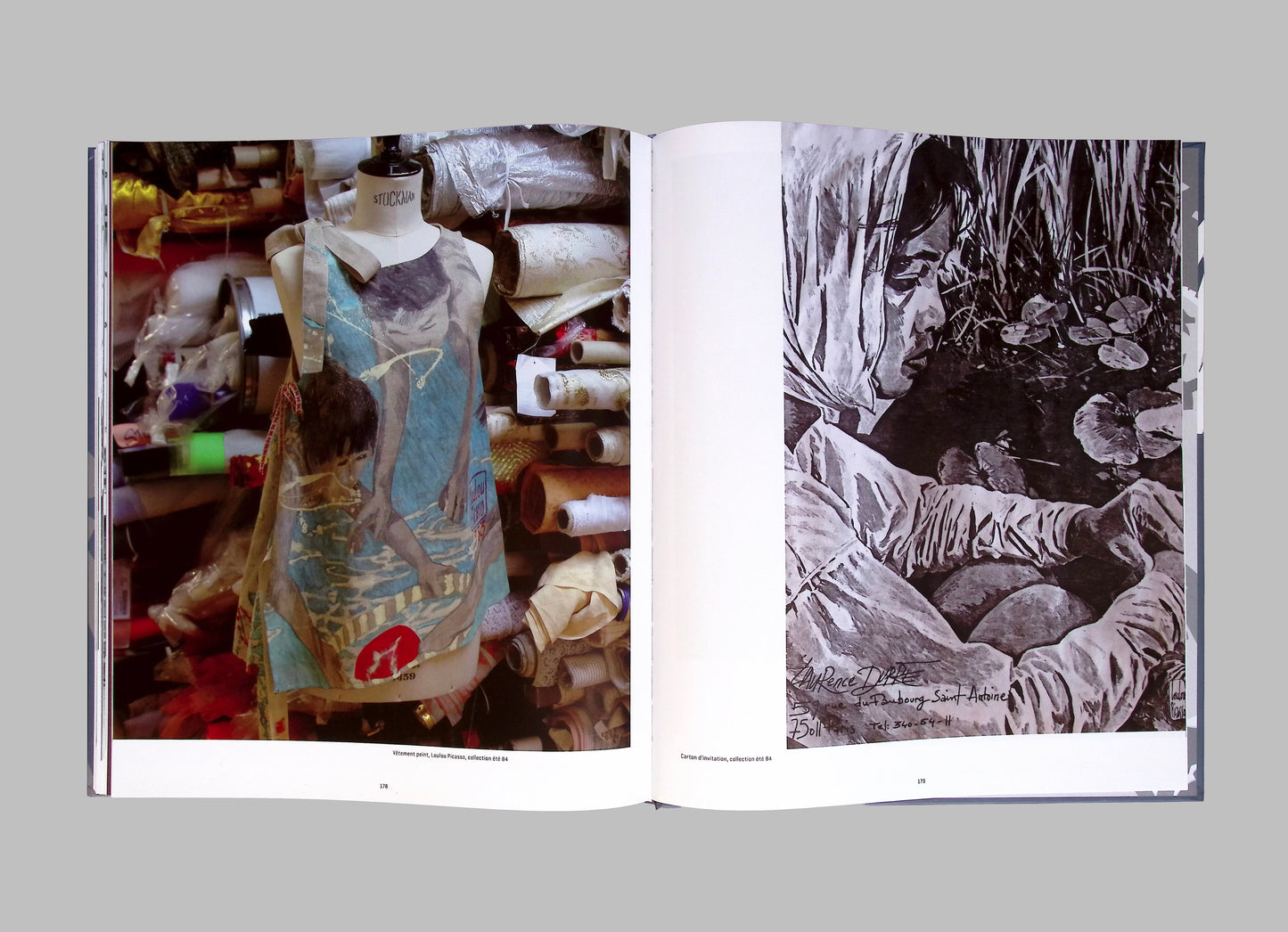
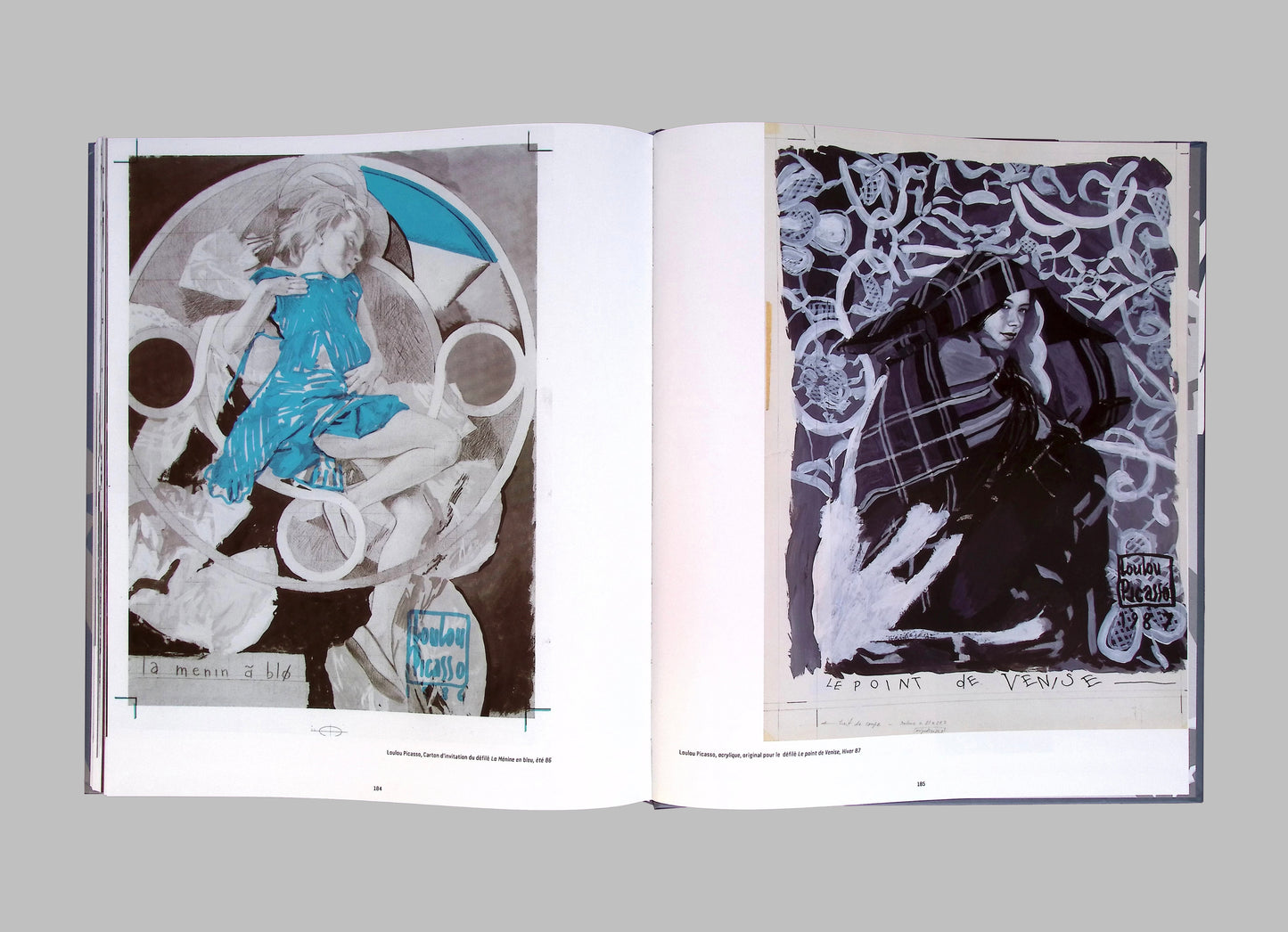
11" x 13" 188 pages Hardcover Full Color Offset First edition of 500 Language French / English Published by Timeless
Description via Timeless:
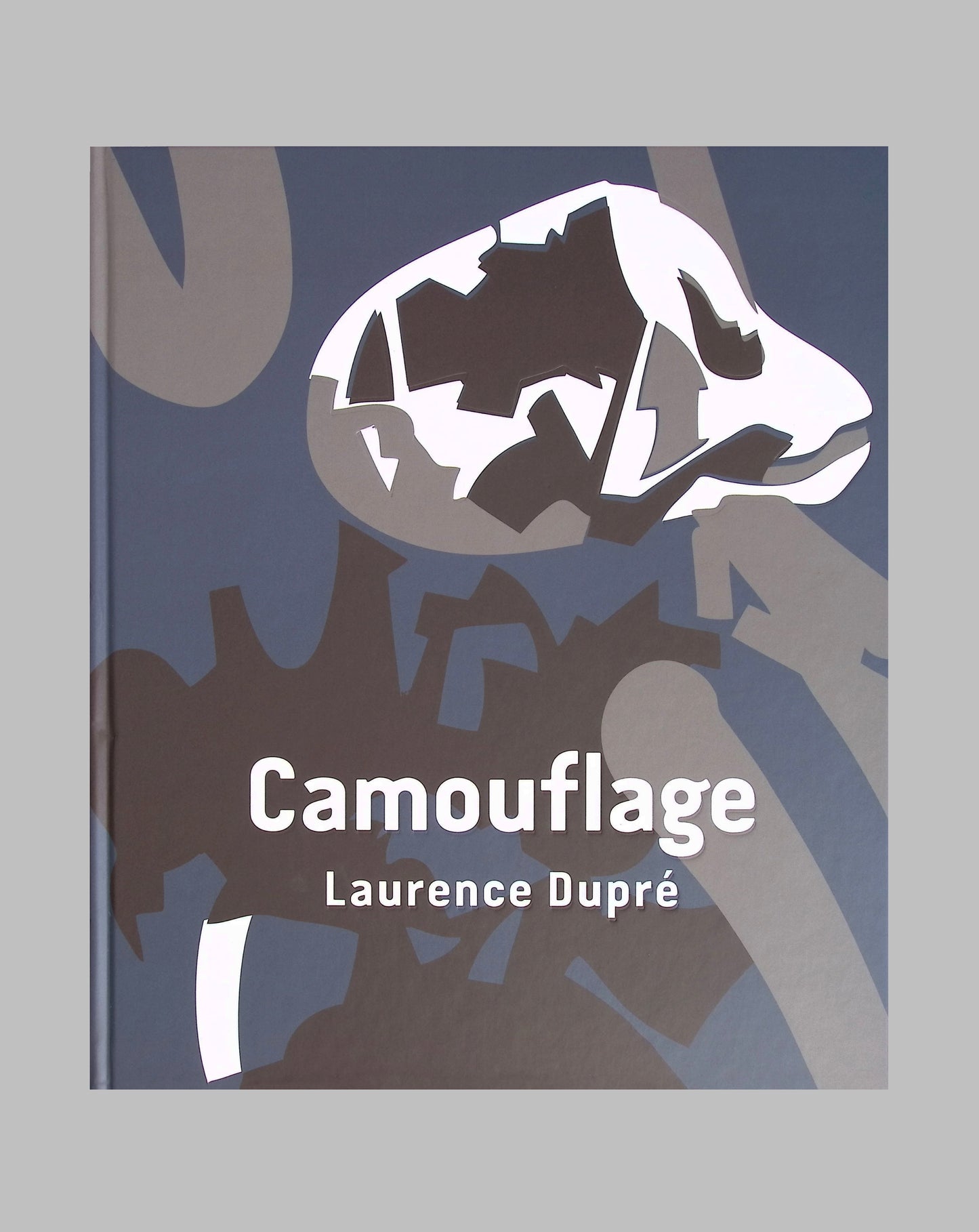
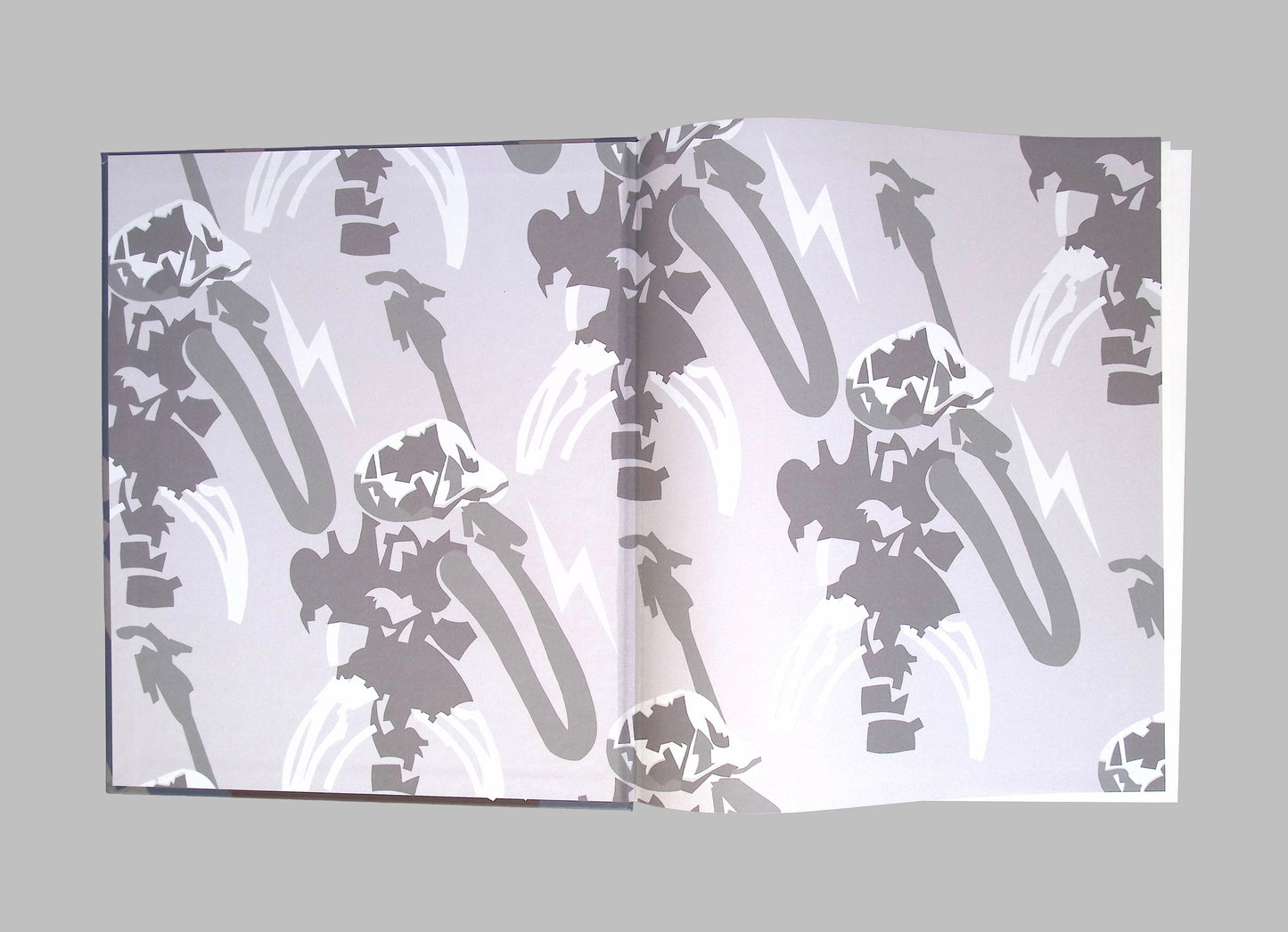
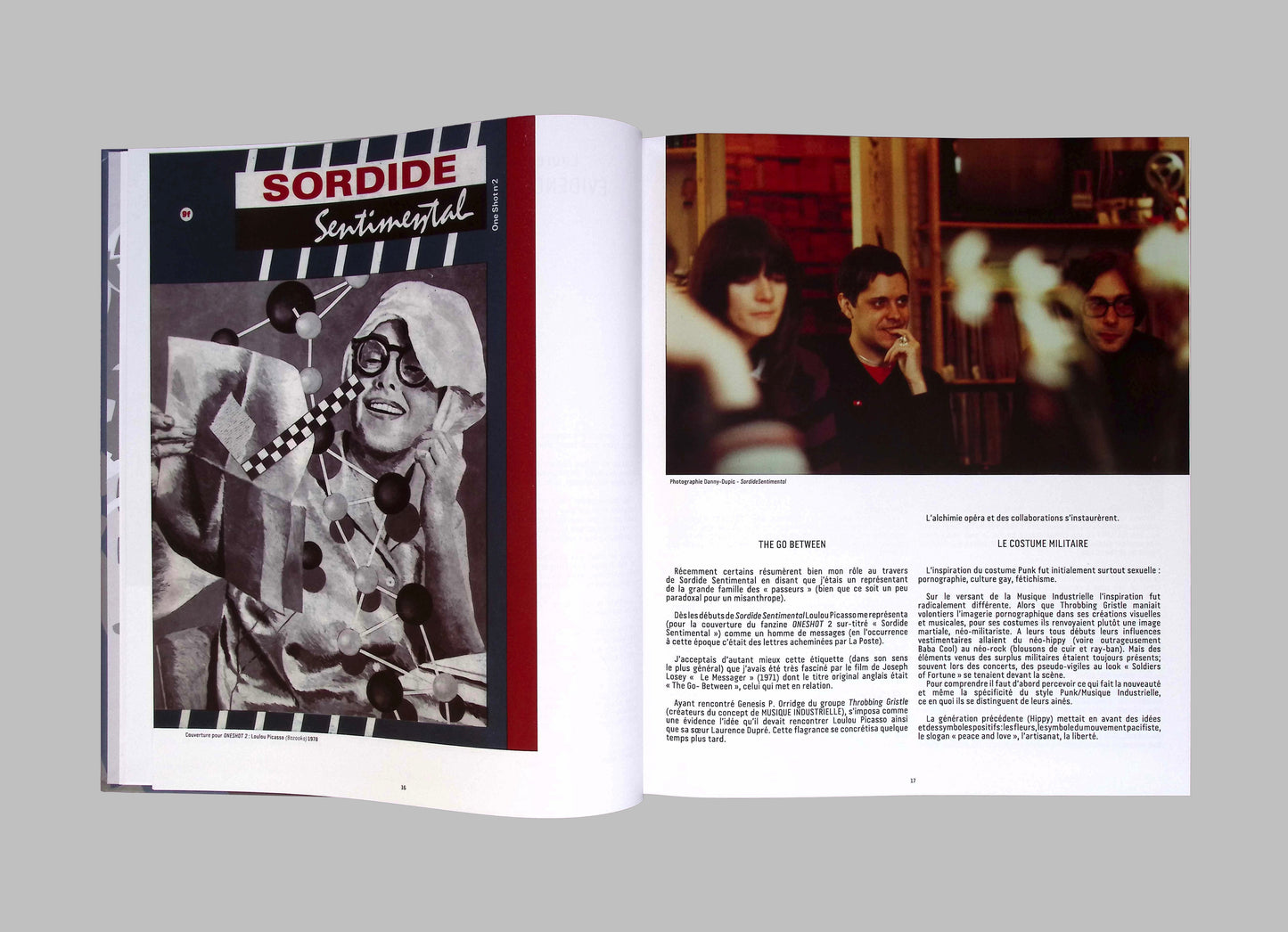
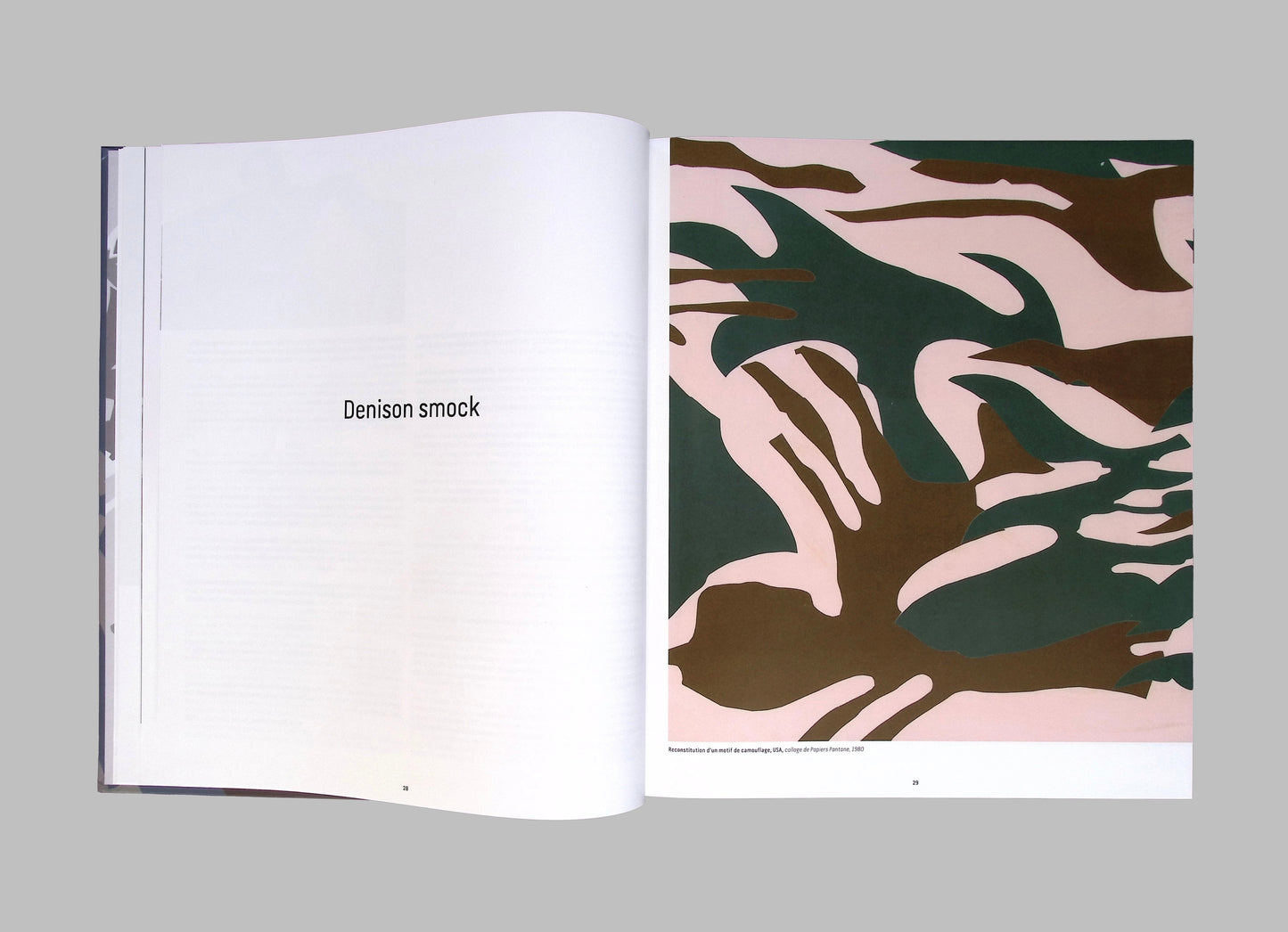
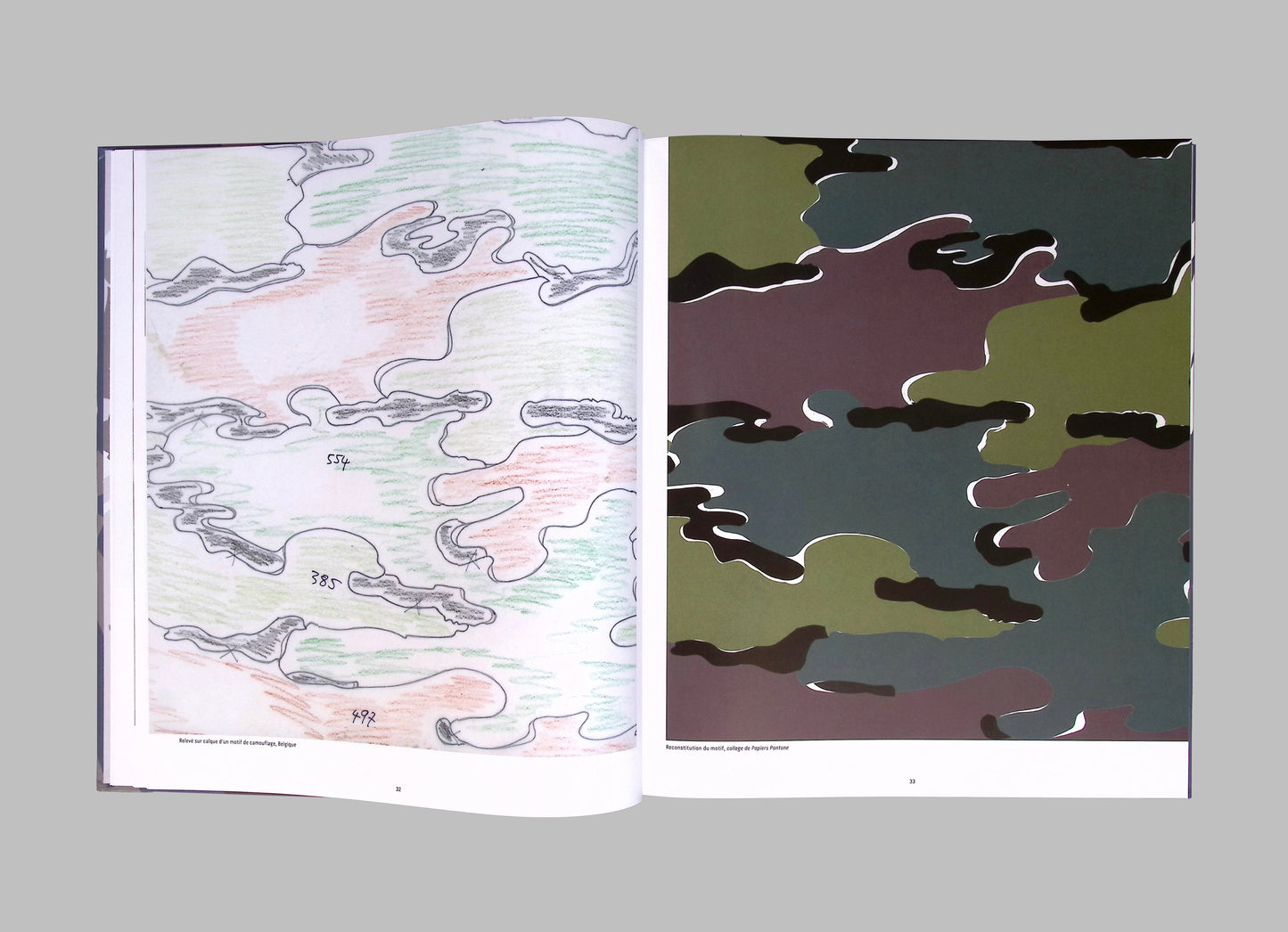
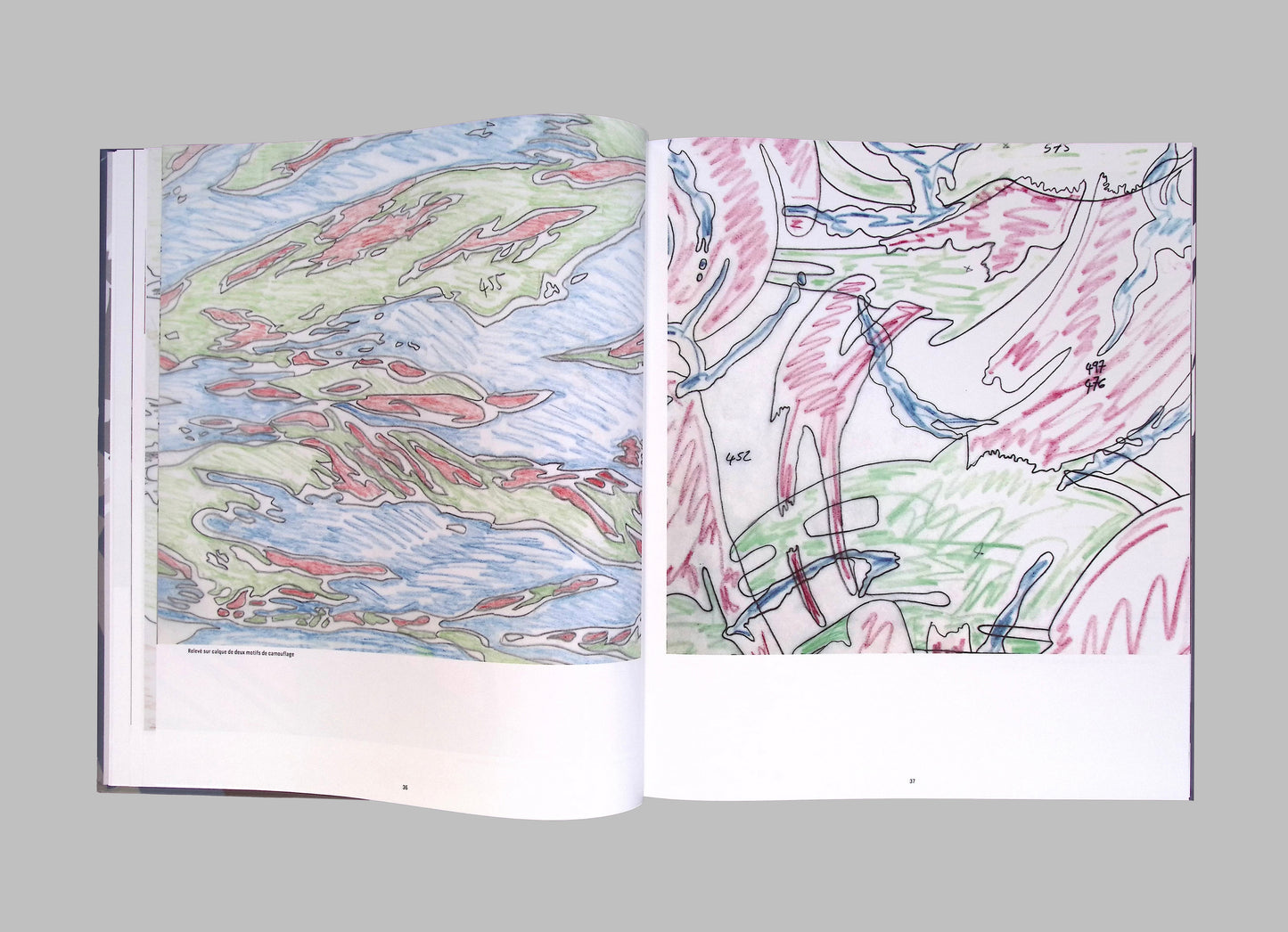
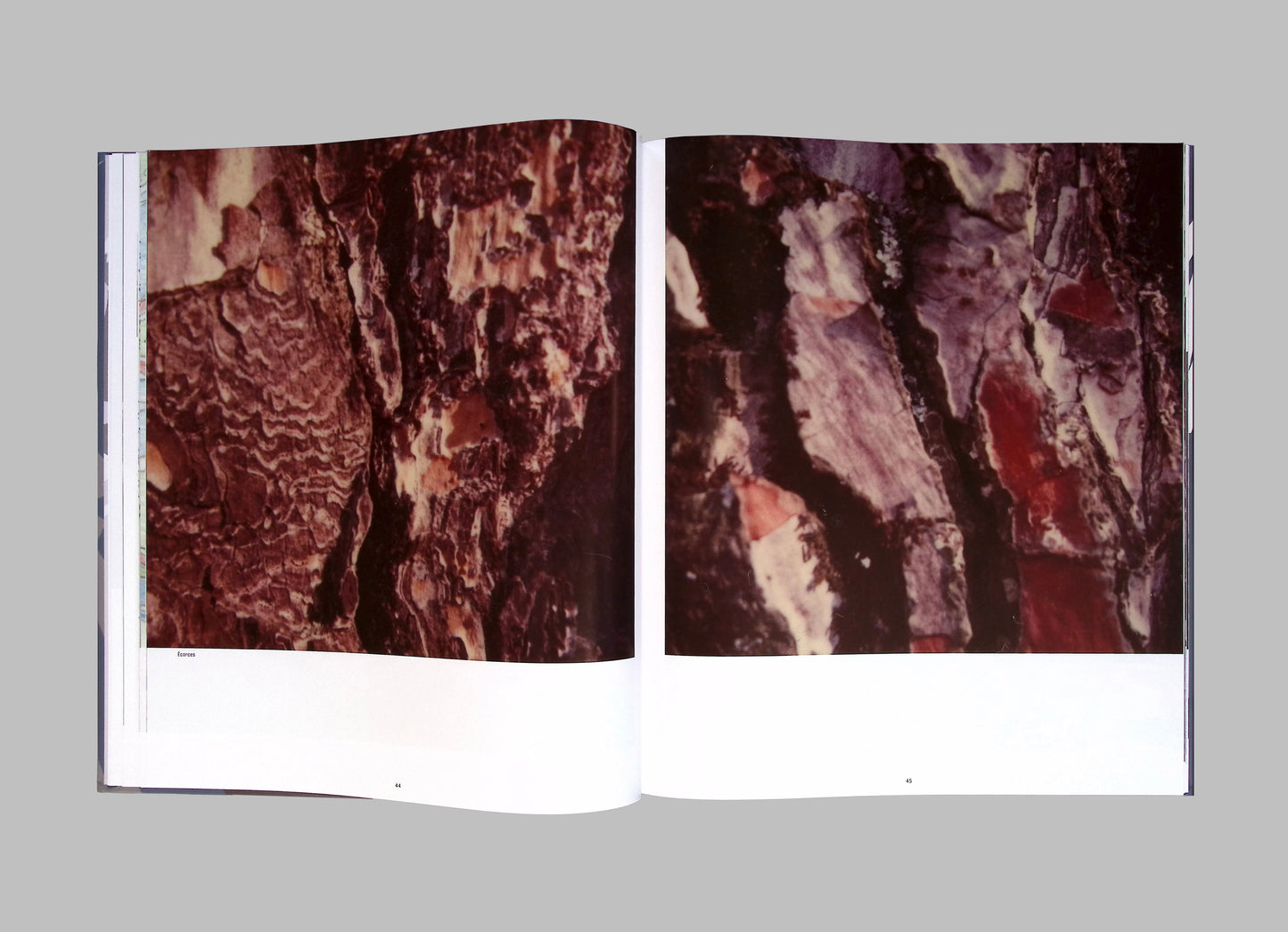
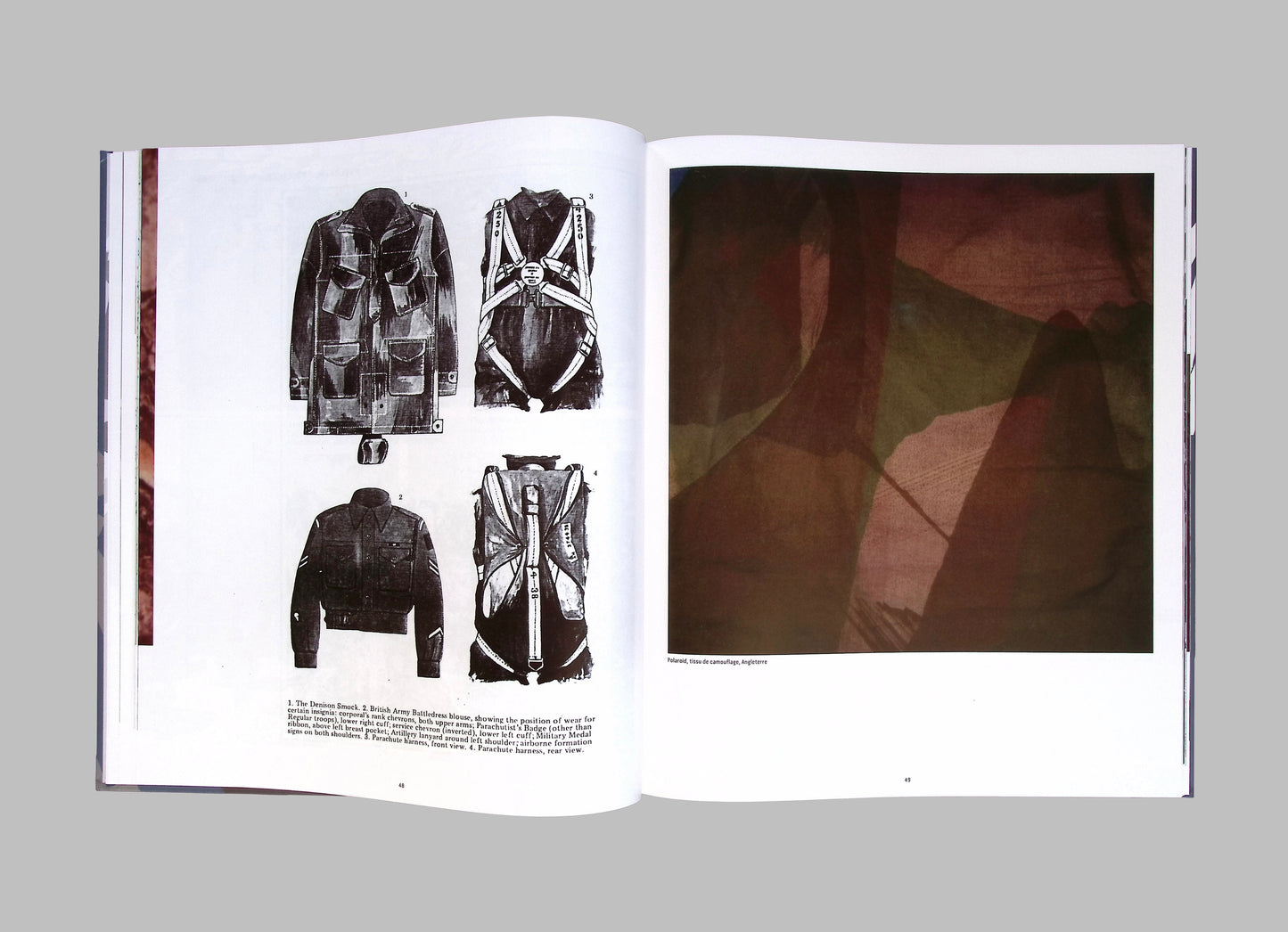
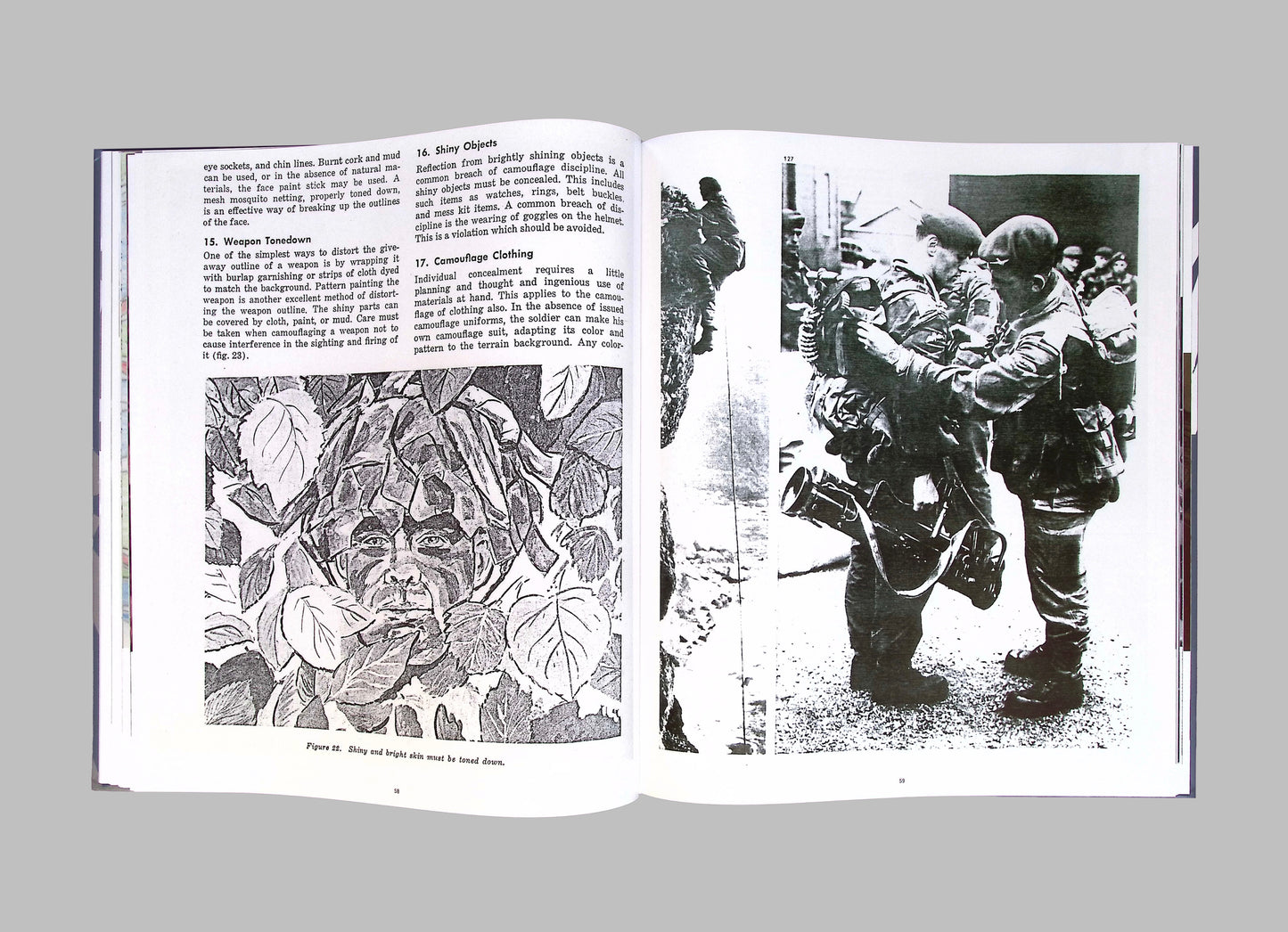
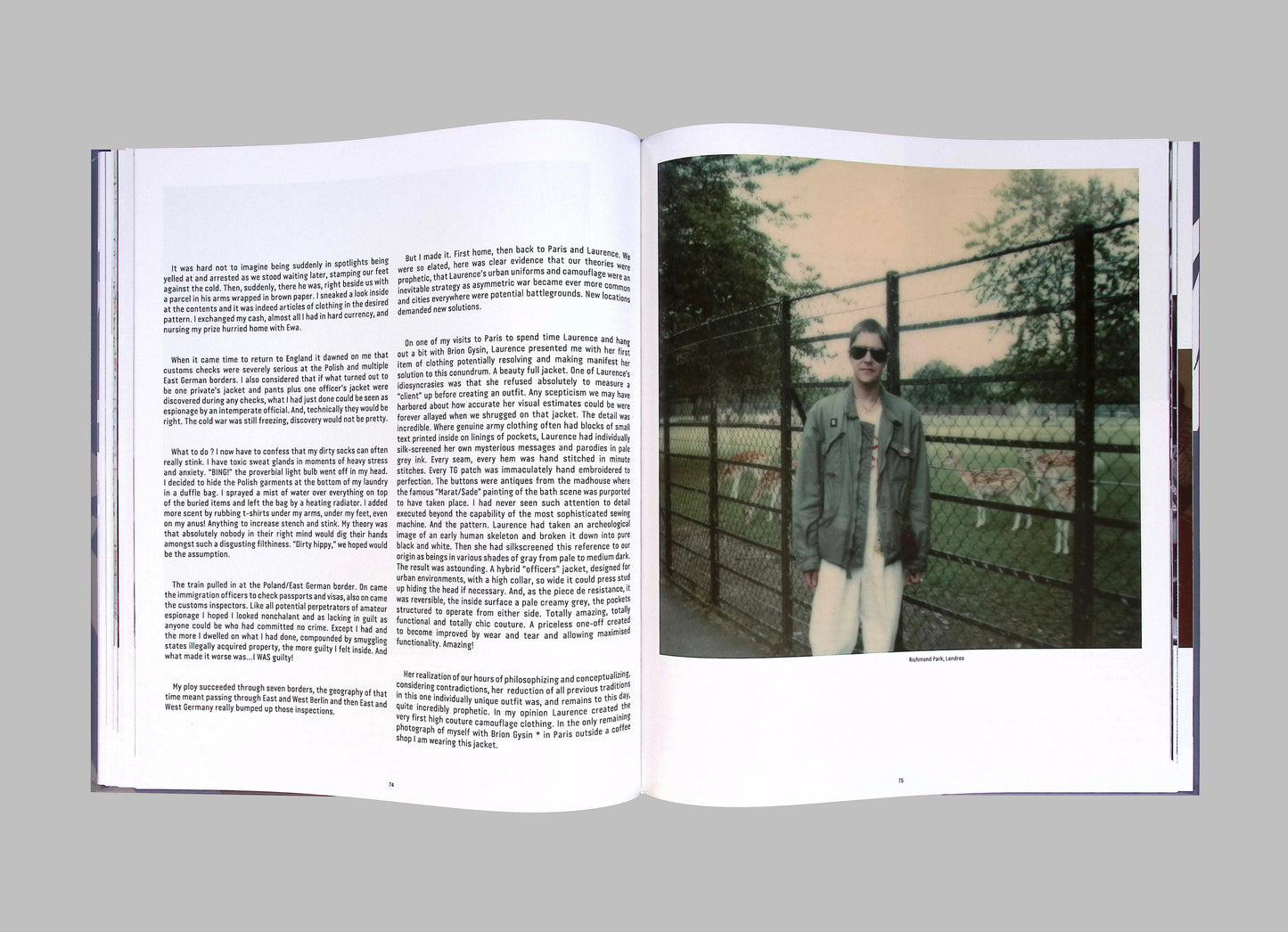
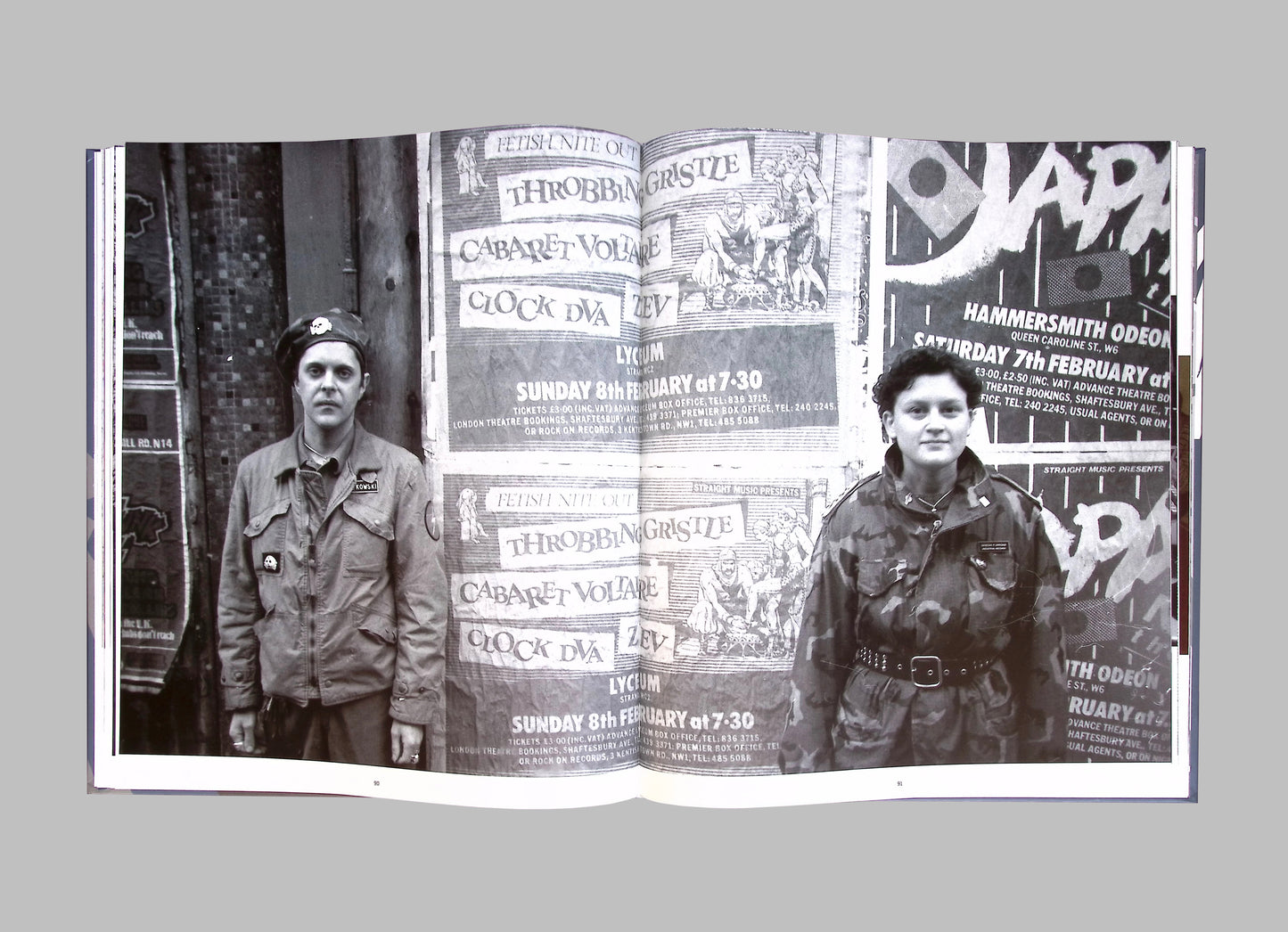
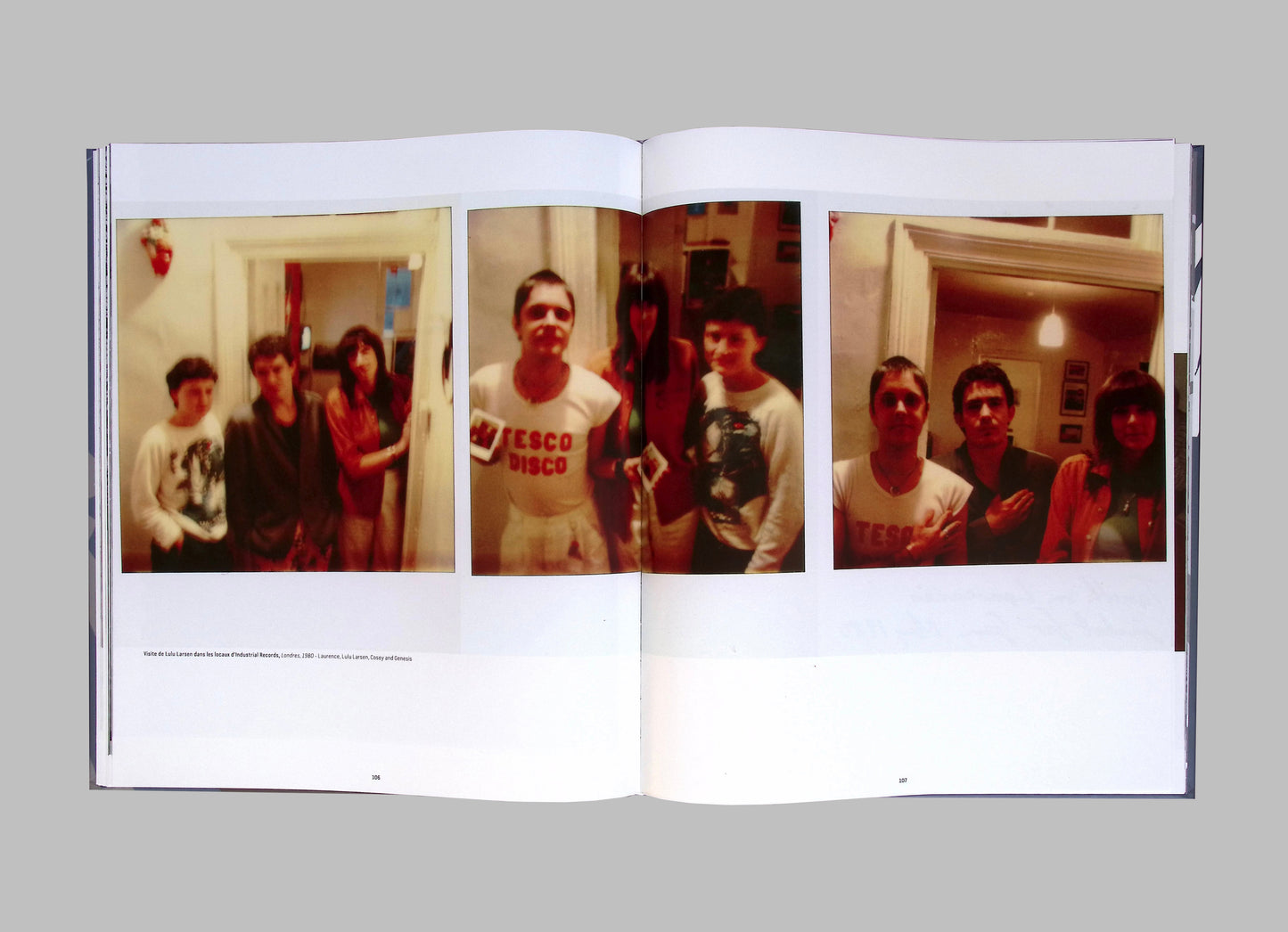
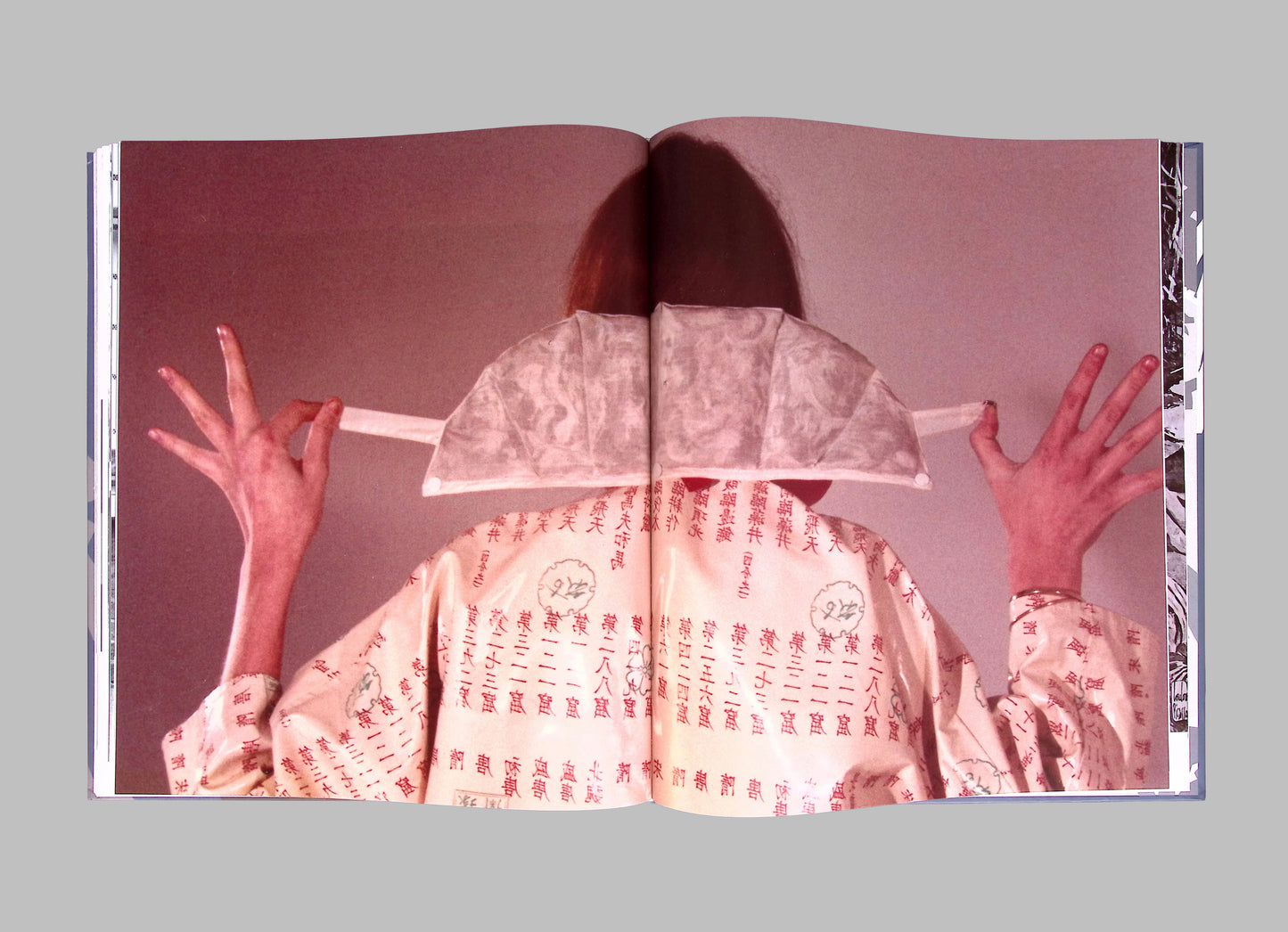
When Throbbing Gristle donned their infamous camouflage uniforms in 1980 it became a pivotal statement for industrial and post-industrial fashion. Few of the countless imitators realised that those particular uniforms were custom-made and designed by their close ally Laurence Dupré. In true TG fashion expectations were confounded and a deeper level of importance literally hidden away from easy deciphering. Timeless feels honoured to present a first extensive overview of Laurence Dupré’s early career raging from her DiY fashion zines of the late 70s/early 80s dealing with camouflage patterns and appliances, her collages for Sordide Sentimental, her meeting with Genesis P-Orridge in Hackney to her design worky not only for the TG uniforms, but also other aspects of the latter day TG image. Showcasing for the first time her unique trademark designs envisioned with her brother Loulou Picasso of the Bazooka group. Richly illustrated in colour, the 188 page book was designed by Loulou Picasso and contains insightful essays and contributions from Jean Pierre Turmel (Sordide Sentimental), Genesis Breyer P- Orridge, Neville Body and Elli Medeiros.
Aaron Dilloway - Bhoot Ghar: Sounds of the Kathmandu Horror House 12" (PSR37)
Regular price
$23.00 USD
Regular priceSale price
$23.00 USD
Unit price/ per
Sale
Sold out
2 LEFT
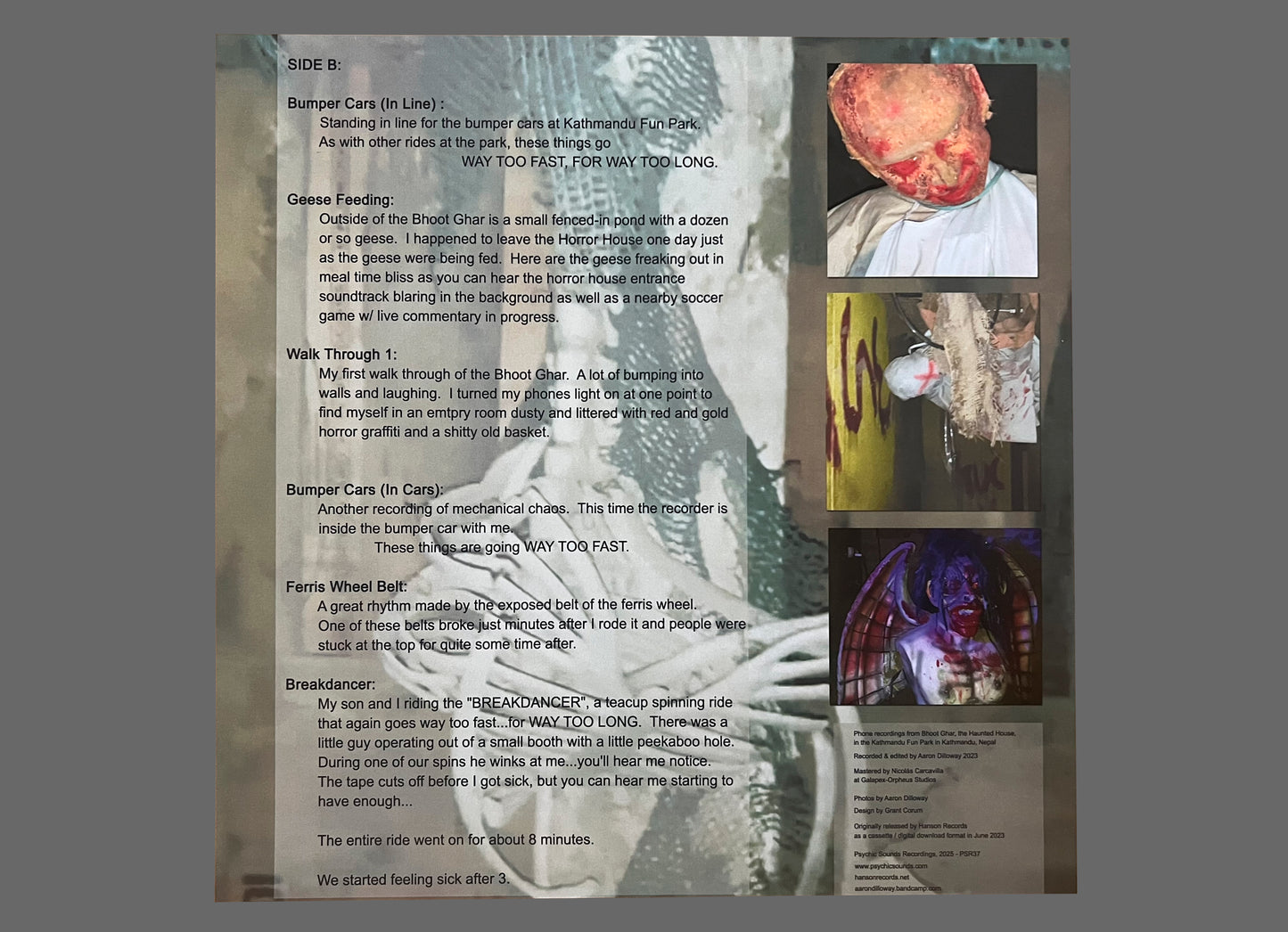
12" Design by Grant Corum Double sided insert with liner notes Mastered by Nicolás Carcavilla at Galapex Orpheus Studio Pressed at Outta Wax Includes download code Edition of 500
Description via Soundohm:
"Bhoot Ghar: Sounds of the Kathmandu Horror House by Aaron Dilloway is a raw suite of field recordings captured inside a decaying Nepali fun‑park attraction. Blown speakers, mechanical screams, and ambient chaos fuse into a hallucinatory documentary of sound—half ethnography, half haunted collage.
In Bhoot Ghar: Sounds of the Kathmandu Horror House, Aaron Dilloway transforms a chance encounter with an amusement‑park ghost ride into an extraordinary document of sonic decay. Recorded on a mobile phone during multiple visits to the “Bhoot Ghar” (literally “Haunted House”) inside the Kathmandu Fun Park, the piece reconstructs a real environment almost too surreal to believe—blown PA speakers sputtering with horror samples, mechanical apparitions creaking into motion, and the brilliant dissonance of human laughter cutting through the din. The resulting album is less a composed work than a found situation rendered musical by the intensity of listening. The recordings unfold between entrance and exit: the path soundtrack, recorded from a distorted outdoor loudspeaker, crackles with the overdriven echoes of South Asian horror television themes; inside, motion sensors trigger brief bursts of noise, broken motors, and shrill screams. Each moment is both documentary and hallucination. Dilloway’s perspective—half participant, half observer—turns the frailty of consumer electronics and decaying mechanics into an accidental symphony. What might have been dismissed as amusement‑park kitsch becomes, through his ear, a portrait of entropy and improvisation.
Interspersed throughout are vignettes that expand the experience beyond the haunted house itself: the chaos of bumper cars that “go way too fast,” the rhythmic thrum of a ferris‑wheel belt moments before it breaks, and the cacophony of geese feeding outside while a soccer match blares in the distance. These sonic collisions situate Bhoot Ghar within a lived environment—no studio manipulation, no layering beyond the realities of the place. The blur between fieldwork and performance echoes Dilloway’s lifelong fascination with tape manipulation and acoustic grotesque: the moment everyday noise slips into abstraction. More than a novelty artifact, the album functions as a meditation on perspective itself—what happens when artists relinquish control and simply record the world as it is, trusting that chaos might compose itself. Dilloway has long pursued this boundary, from his early noise work with Wolf Eyes to his later solo cassettes and installations. In Bhoot Ghar, he distills that approach into pure location: sound not as creation but as capture, bearing the heat, static, and overstimulation of life itself."
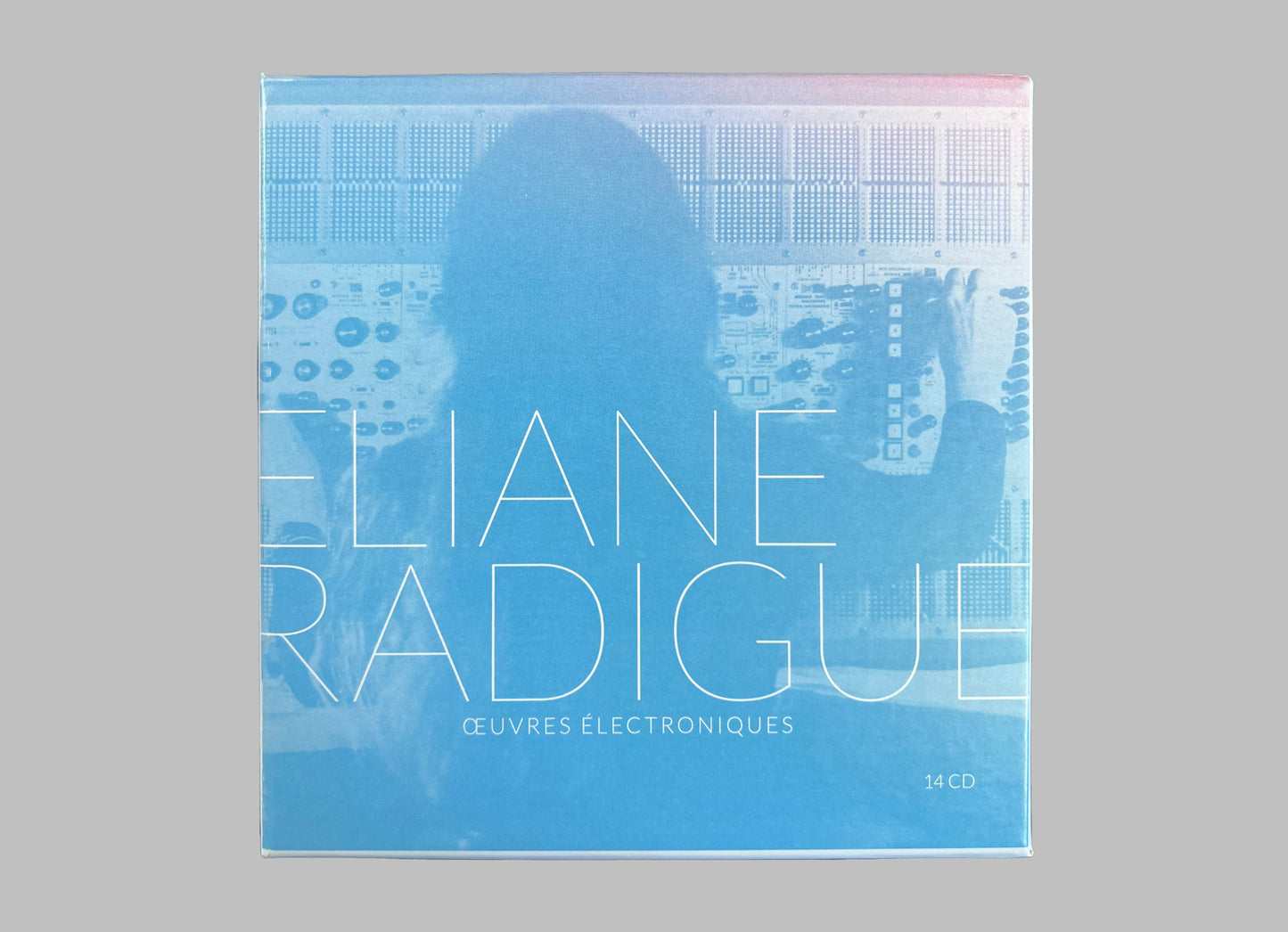
14CD set housed in foldout rigid box Includes 78 page booklet w/ Full English Translation INA 6060/74 (2024 Repress)
'One COULD put 'everything' aside and grind through all that is offered in this more than generous box. BUT the duration of your listening session would be 16 hours and that's not the point. Radigue is one of the most important electronic musicians to emerge in the past 50 years. Her music will serve you well throughout your life and generations to come. Incredible; eloquent; transcendent; top tier. Comparisons can be made but Radigue has created her own criteria. (Recommended pieces 'Adnos I-II-III' and 'Trilogie de la Mort'.) - Ross
CD1 1. Chry-ptus (version 2001) 24’01 2. Geelriandre 29’57 CD2 1. Chry-ptus (version 2006) 23’10 2. Biogenesis 21’06 3. Arthesis 25’40 CD3 1. Ψ 847 (version concert) 71’08 CD4 1. Adnos I 71’28 CD5 1. Adnos II 72’44 CD6 1. Adnos III 72’40 CD7:Les Chants de Milarepa 1. Mila’s Song in the Rain 19’10 2. Song of the Path Guides 21’01 3. Elimination of Desires 17’22 4. Symbols for Yogic Experience 19’29 CD8: Les Chants de Milarepa 1. Mila’s Journey Inspired by a Dream 62’22 CD9: Jetsun Mila 1. Jetsun Mila (première partie) 44’25 CD10:Jetsun Mila 1. Jetsun Mila (seconde partie) 39’57 CD11: Trilogie de la Mort 1. Kyema 61’07 CD12: Trilogie de la Mort 1. Kailasha 56’09 CD13: Trilogie de la Mort 1. Koumé 51’18 CD14 1. L’Île re-sonante 55’04
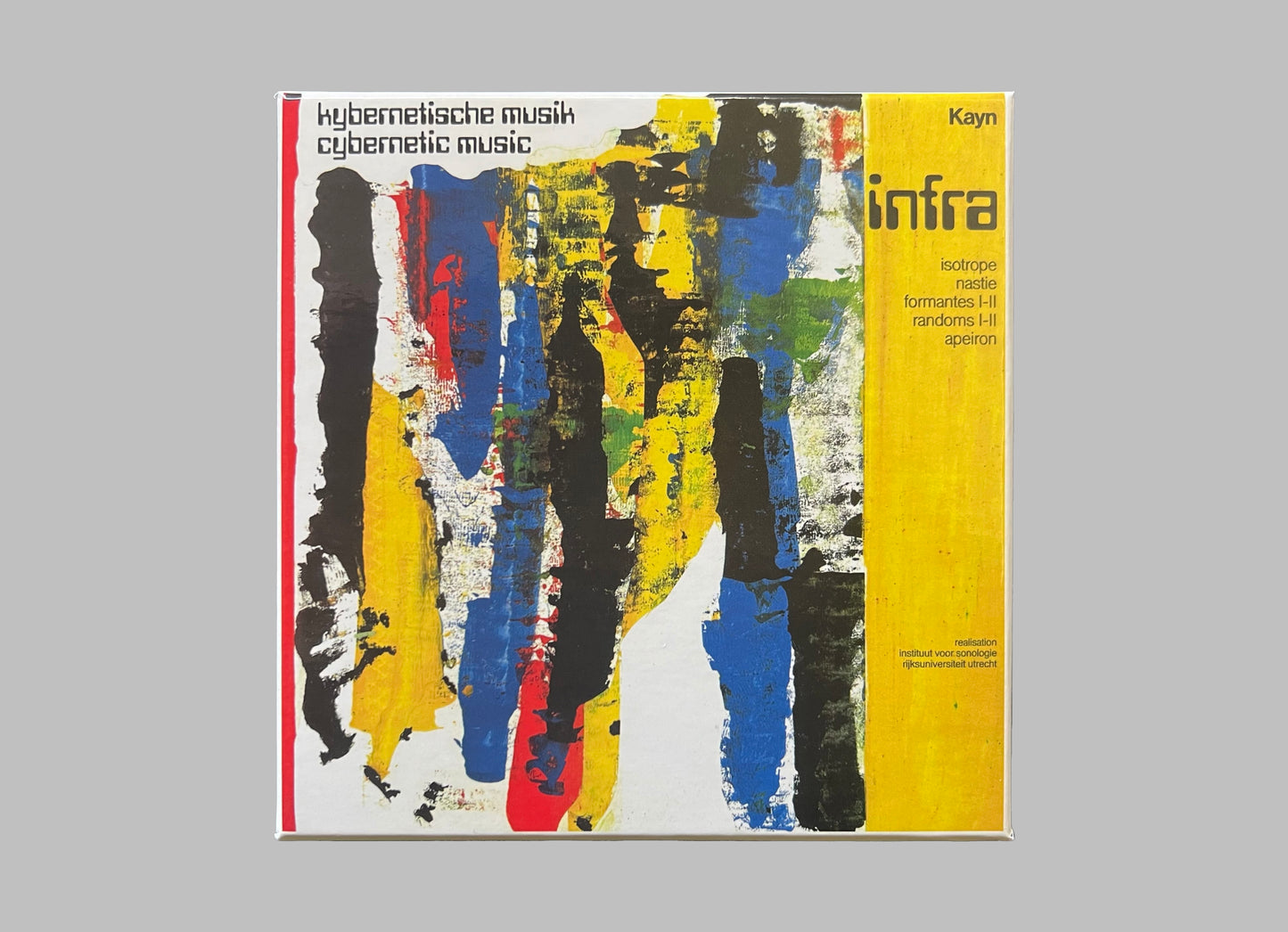
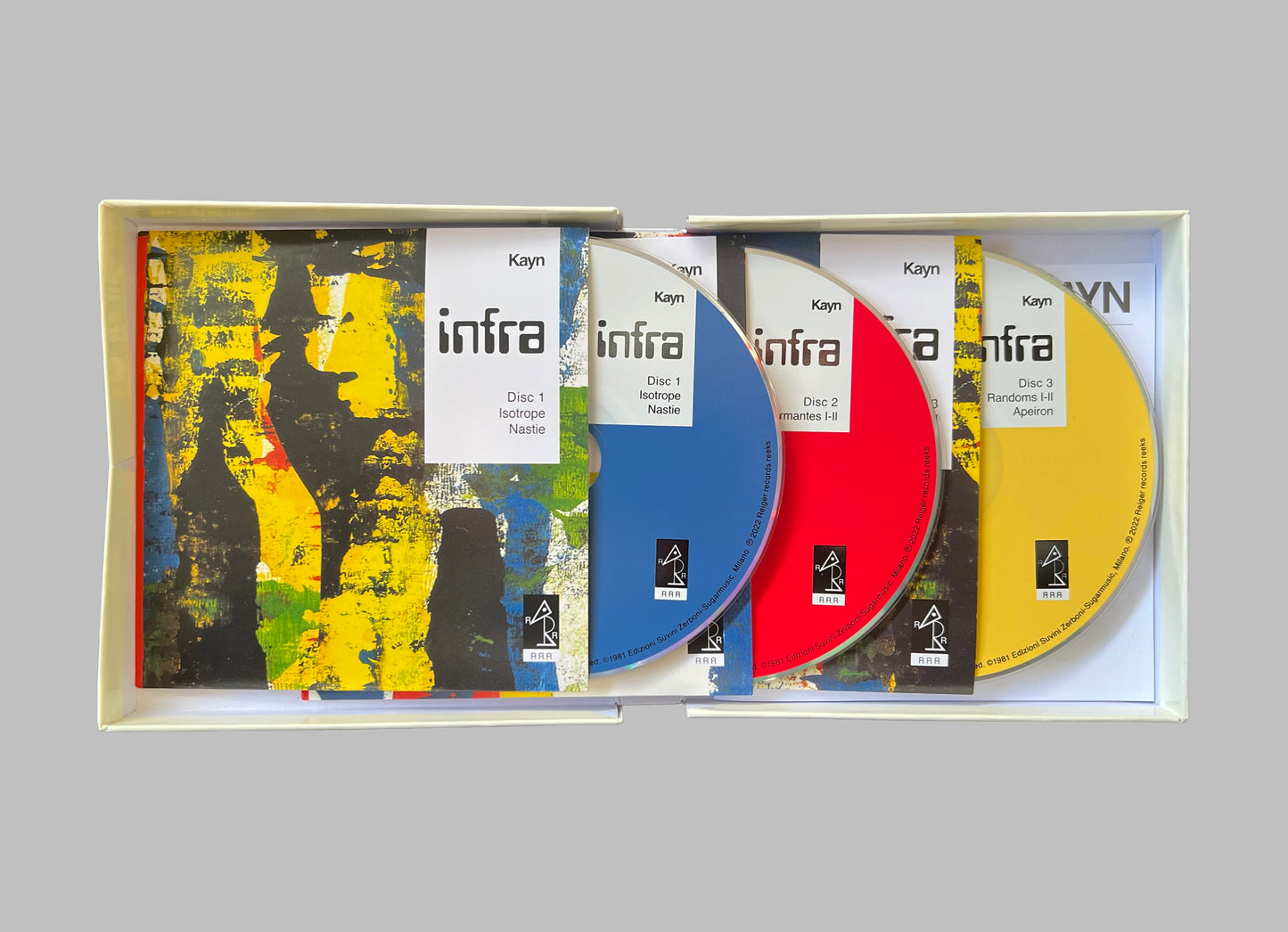
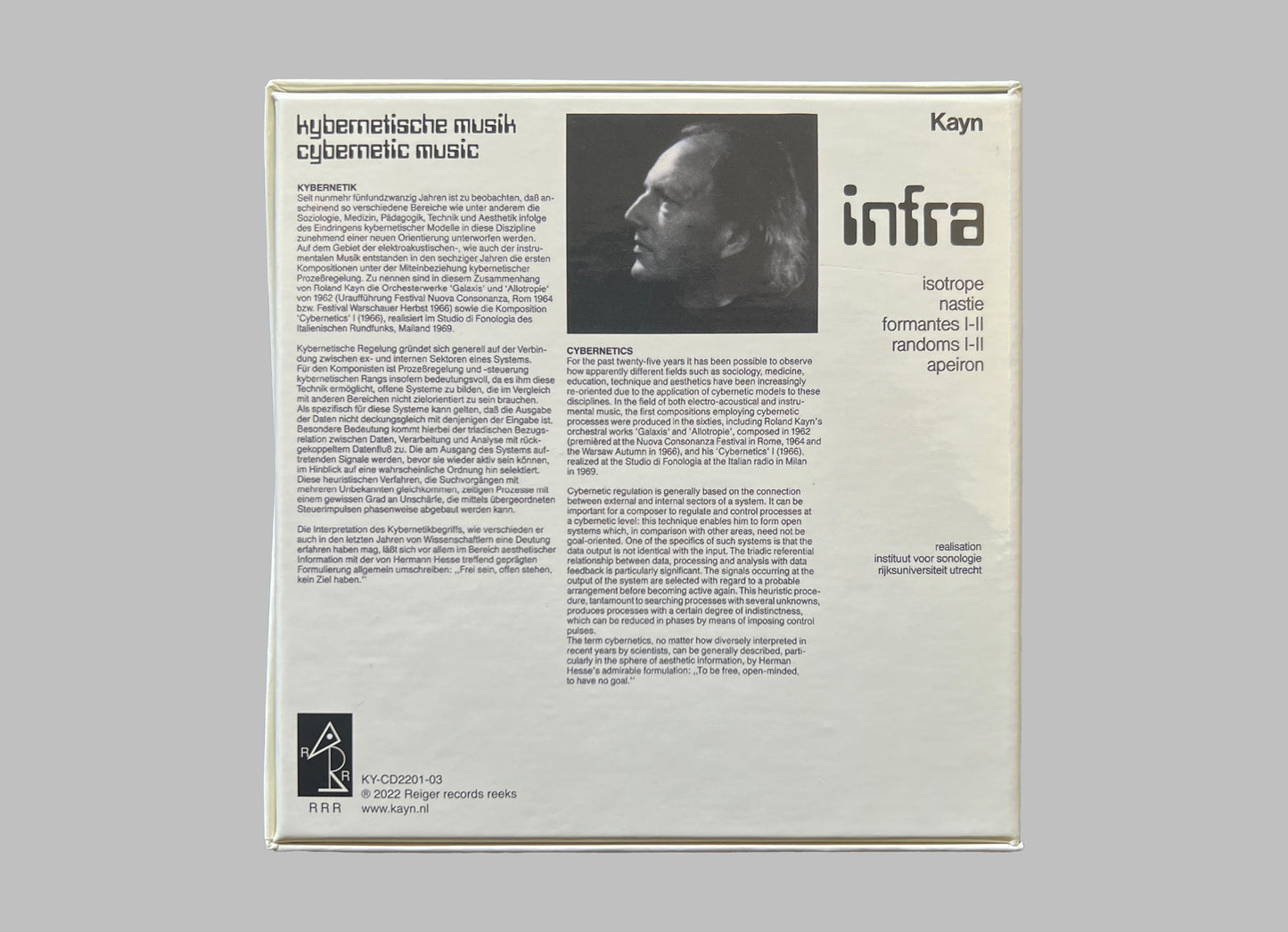
'This is ‘it’. ‘Infra’. Turn the dial up and give the keys to Kayn. This one might be the best entry point for anyone looking to ‘dive in’. Enveloping and (some times) arresting. ‘Dynamic’ would be selling it short. Originally released in 1979 but could be released 15 years in the future and no one would question. Beautifully remastered by Jim O’Rourke and if you are familiar with his work on ‘Steamroom’; YEAH he’s ‘on the tip’ as well. Highest recommendation possible. Theres so much info; dive as deep as you’d like.' - Ross
11.5" x 15" 160 pages Hardcover Full Color Offset Edition of 100
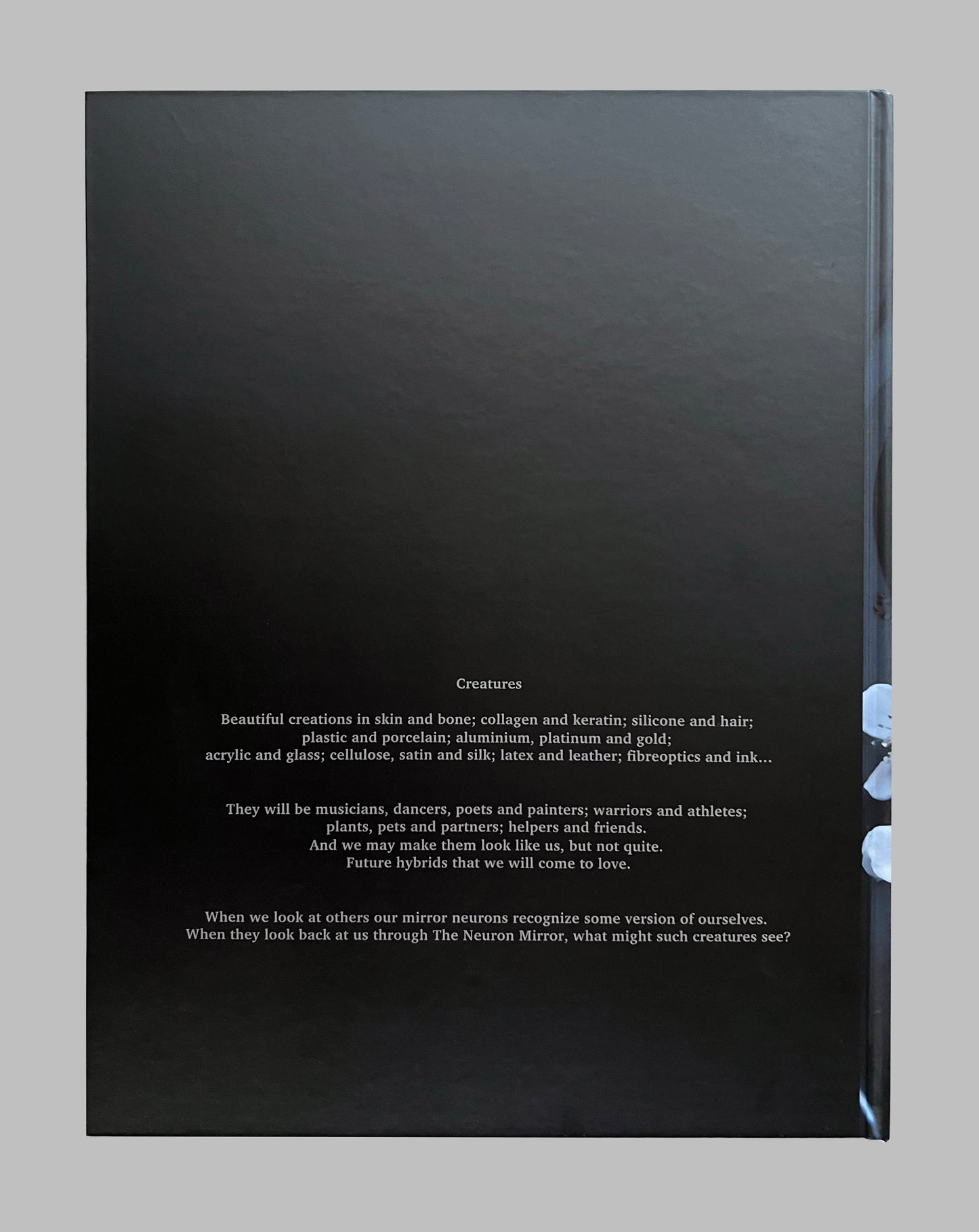
By far one of the most visually striking and thought provoking books I've encountered in quite some time. Incredibly beautiful and orginal. 'The Future' has arrived and its everything we hoped for... right?'
- Ross
Artist's Statement:
The Neuron Mirror is a human/AI collaborative partnership; an intensive process of inspiration, iteration, curation, finesse and judgement; a collection of images conserved while thousands of others were discarded. Yet the question continues to be asked: who or what is the artist?
Salvatore Chiarella has written that it is not technology alone that makes an artwork, but rather the totality of artistic theory, approach, and realisation. Al image generation is a Copernican revolution in the artistic field, but the technology does not replace human creativity. The spread of photography at the end of the 19th century with the advent of technology able to reproduce reality (at least as it was defined at the time), led to similar debates about its status as an art form and the possibility that it might supplant painting. The outcome, however, was photography's gradual acceptance and simultaneously the flowering of historical avant-gardes such as Impressionism, Futurism, Surrealism and Expressionism. There is every reason to anticipate similar developments in the context of art in this century.
There are other relevant implications for philosophical aesthetics, especially the discussions about the nature of creativity and authorship. The generation of art by Als calls into question the uniqueness of individual creativity and artistic imagination in an unprecedented way, questions we will elaborate on in later chapters. Al technology can be considered as an extension of human potentialities through the externalization of mental processes in the form of a distributed non-corporeal mind. Mark Coeckelbergh, however, argues that existing notions such as tool, extension, and (quasi) Other are insufficient to conceptualize the use of this technology, and proposes instead to investigate what happens as processes and performances out of which artistic subjects, objects, and roles emerge. The old categories leave in place the human/machine separation and opposition. The discussion has been about how humans and Al relate in this context, yet the focus was on the ontological and artistic status of the Al which implicitly or explicitly was compared to that of the human. He suggests turning this around, no longer taking the relationship as fixed and given, but rather bringing the relation and the process itself to the forefront of the analysis?
The process can perhaps be better viewed as 'poietic performances' involving humans and non-humans potentially leading to the emergence of new artistic (quasi)subjects and roles in the process. For example: Al image generators often introduce exquisite detail in a quite unexpected way. They also currently confuse ground and subject if the human prompter does not take extraordinary measures to avoid the ambiguity. Yet the results, which are evident in many images herein, are often stunning. This is only an 'error when conceived in terms of mirroring animal visual perception - a survival mechanism, not an artistic one. It is likely that developers will attempt to 'correct' such artefacts in subsequent versions, thereby betraying an anthropic bias towards representation within the larger project of artificial general intelligence.
The Neuron Mirror is a 3-way performance of human/Al/audience all embedded in a dynamic process which includes the role of the artist, the technology, and the viewers, philosophers and critics who ascribe meaning and value to the work, entangling the human prompter/curator and the Al into the 'Artist'. In Karen Barad's terms, what happens can be understood as dialogue, intra-action and dance between the performances of humans and the performances of Al. These are in turn embedded in extensive material and narrative contexts in which they are immanent, by which they are shaped, and to what meaning they contribute.
The final creative output may go beyond the boundaries of expectation and fulfil the requirement of and originality. These are new starting points for an artistic re-evaluation of what we mean by intelligence and creativity.
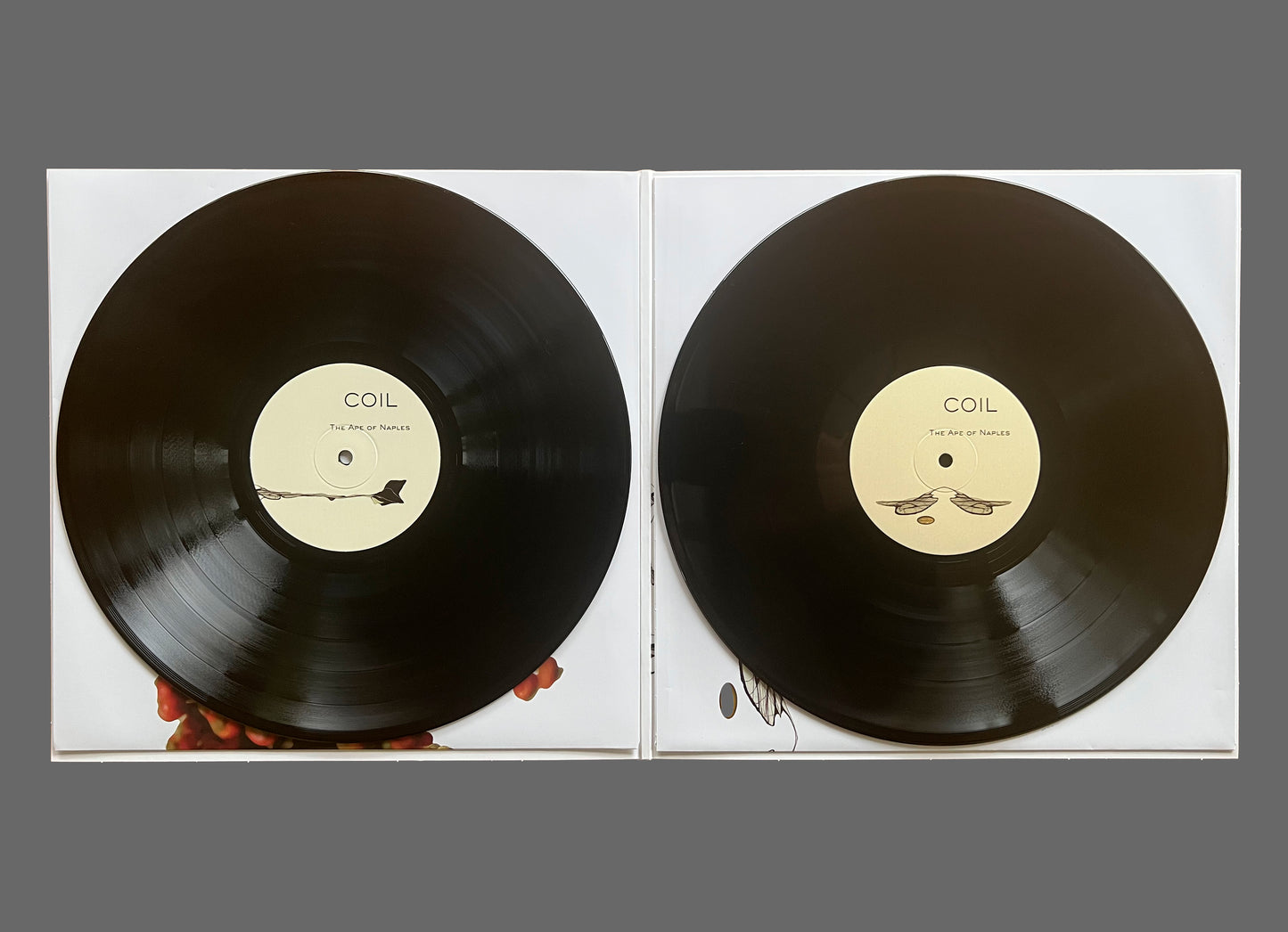
2023 repress. Double LP. Re-cut from original Peter Christopherson approved masters. The Ape Of Naples is Coil's highly celebrated final album completed by Peter Christopherson following the tragic death of Jhonn Balance in 2004. Often noted for being a fan favorite, The Ape Of Naples uses Balance's final recordings and material recorded at Trent Reznor's studio in New Orleans to create a deep, heavy masterpiece. Packaged in a heavy tip-on gatefold sleeve with Ian Johnstone's original artwork coated in a custom spot gloss. Each LP is house in a printed inner sleeve and side D is printed with all three original etchings. Lyrics are printed across the gatefold.